Bonsai: the best books to grow, shape, and care for miniature trees
This curriculum takes a complete beginner from the core philosophy and vocabulary of bonsai through species selection, essential techniques (pruning, wiring, repotting, watering), and finally into advanced styling and long-term tree care. Each stage builds directly on the last — you will not be lost in technique before you understand the art, and you will not be lost in aesthetics before you can keep a tree alive.
Foundations: Understanding Bonsai
BeginnerGrasp the philosophy, vocabulary, and basic care principles of bonsai — what it is, why it works, and how to keep a first tree alive.
▸ Study plan for this stage
Pace: 4–5 weeks, ~25–30 pages/day. Start with Tomlinson's comprehensive overview (weeks 1–2), then move to Chan's practical approach (weeks 3–4), with a final week for review and hands-on application.
- Bonsai as living art: the philosophy of cultivating miniature trees that reflect nature in controlled form
- Essential vocabulary: nebari (root base), apex (top), taper, ramification, and styling terminology specific to bonsai aesthetics
- The five basic bonsai styles (formal upright, informal upright, slanting, cascade, semi-cascade) and how they guide tree development
- Watering, soil composition, and drainage: the foundation of keeping a bonsai alive and healthy
- Pruning and wiring techniques: how to shape growth and establish structure without killing the tree
- Seasonal care cycles: understanding how bonsai needs change throughout the year
- Species selection for beginners: choosing hardy, forgiving trees that survive learning mistakes
- The relationship between pot, soil, and root health: why container choice and repotting matter
- What is the underlying philosophy of bonsai, and how does it differ from simply growing a small tree in a pot?
- Explain the five basic bonsai styles and identify which style a given tree exemplifies based on its trunk and branch structure
- What are the critical watering and soil requirements for keeping a bonsai alive, and why do they differ from regular potted plants?
- Describe the proper technique for wiring a branch and explain why gradual, patient shaping is preferable to forcing a tree into a style
- How do seasonal changes affect bonsai care, and what specific adjustments should be made in spring, summer, fall, and winter?
- What factors should a beginner consider when selecting their first bonsai species, and why are some species more forgiving than others?
- Create a visual reference chart of the five basic bonsai styles with sketches or photos, labeling key structural features from Tomlinson's descriptions
- Prepare a bonsai care calendar for a full year, noting watering frequency, fertilizing schedules, and seasonal tasks based on both books
- Visit a local nursery or garden center and identify 3–5 beginner-friendly species mentioned in the books; photograph them and note their characteristics
- Practice basic wiring technique on a flexible branch (real or simulated) following Chan's step-by-step instructions, focusing on gentle, non-damaging application
- Mix a batch of bonsai soil using the proportions and materials recommended in the books; test its drainage and water retention
- Select a hardy beginner species and create a 6-month development plan, sketching the desired style and identifying which pruning and wiring steps you'll apply each month
Next up: Mastering these foundational concepts and hands-on skills positions you to move into species-specific cultivation, advanced styling techniques, and troubleshooting common problems—the focus of the next stage.
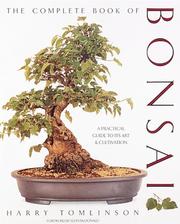
The single best starting point for English-speaking beginners — it covers the full scope of bonsai (history, styles, species, and basic care) in clear, illustrated language, giving you the vocabulary needed for every book that follows.

Peter Chan's accessible, practical guide reinforces foundational care — watering, feeding, positioning — and introduces species selection in a way that builds confidence before you pick up a pair of scissors.
Species Selection & Tree Health
BeginnerLearn how to choose the right species for your climate and skill level, and understand the horticultural needs that keep trees healthy year-round.
▸ Study plan for this stage
Pace: 2–3 weeks, ~20–25 pages/day. Focus on Part 1 (species profiles) and care fundamentals; slower pace for chapters on watering, feeding, and pest management to allow time for observation and note-taking.
- Indoor vs. outdoor bonsai distinctions and climate suitability for different species
- How to match tree species to your home environment (light, humidity, temperature)
- Fundamental watering techniques and how to read soil moisture for different species
- Seasonal feeding schedules and nutrient requirements for healthy growth
- Recognition and treatment of common pests and diseases in indoor bonsai
- The relationship between pot size, soil composition, and root health
- How dormancy cycles and growth patterns vary by species and affect care routines
- Which indoor bonsai species are best suited to your specific home climate and light conditions, and why?
- How do you determine the correct watering frequency for a particular species, and what are the signs of overwatering vs. underwatering?
- What are the key differences in care requirements between tropical and temperate indoor bonsai species?
- How do seasonal changes affect feeding, watering, and overall health management for indoor bonsai?
- What are the most common pests and diseases that affect indoor bonsai, and how do you identify and treat them?
- Why is soil composition and pot drainage critical to preventing root rot and maintaining tree health?
- Create a species-selection checklist for your home: document light levels (foot-candles or hours of direct sun), humidity, temperature range, and air circulation, then cross-reference with Lesniewicz's species profiles to identify 2–3 suitable candidates.
- Set up a watering log for a bonsai (or practice tree): record date, time, soil moisture before and after watering, and environmental conditions daily for two weeks to develop intuition for your species' needs.
- Inspect the soil and roots of a bonsai (or potted plant): examine drainage holes, soil texture, and root density; repot if necessary and document the process with photos and notes.
- Prepare a seasonal care calendar for your chosen species: map out feeding schedules, dormancy periods, pruning windows, and pest-monitoring checkpoints for the full year.
- Conduct a pest and disease audit: examine a bonsai (or houseplant) under magnification, identify any signs of infestation or illness, and research treatment options from Lesniewicz's guidance.
- Practice mixing or amending bonsai soil: combine components (bark, peat, perlite, etc.) according to Lesniewicz's recommendations and test drainage and moisture retention on a sample pot.
Next up: This stage equips you with the knowledge to select a healthy, well-suited species and maintain it through the seasons, providing the stable foundation needed to progress to styling, pruning, and shaping techniques in the next stage.
Focuses specifically on tropical and subtropical species suited to indoor growing, rounding out species knowledge for learners who cannot keep outdoor trees — read after Yoshimura to compare approaches.
Core Techniques: Pruning, Wiring & Repotting
IntermediateDevelop hands-on competence in the three transformative techniques — pruning for structure, wiring for shape, and repotting for root health.
▸ Study plan for this stage
Pace: 4–5 weeks, ~25–30 pages/day, with 2–3 hands-on practice sessions per week
- Pruning principles: apical dominance, branch selection, and structural hierarchy to establish the foundational shape
- Pruning timing and techniques: seasonal considerations, cut placement, and healing response for different species
- Wiring fundamentals: wire gauge selection, application angles, and directional control without damaging bark
- Wiring progression: primary structure wiring vs. refinement wiring, and when to remove wire to prevent scarring
- Repotting cycles: timing, root pruning strategies, and soil composition for drainage and nutrient availability
- Species-specific adaptations: how pruning, wiring, and repotting techniques vary across deciduous, coniferous, and tropical species
- Integration of techniques: how pruning, wiring, and repotting work together in a multi-year development plan
- Problem-solving: recognizing and correcting over-wiring, improper cuts, and root-bound conditions
- What is apical dominance and how do you use pruning to redirect growth energy in a bonsai?
- How do you determine the correct wire gauge and application angle for a given branch, and what are the risks of using wire that is too thick or too thin?
- What is the relationship between pruning timing and a species' growth cycle, and how does this differ between deciduous and evergreen trees?
- Describe the step-by-step process for repotting a bonsai, including root pruning, soil selection, and post-repotting care.
- How do you recognize when a bonsai is root-bound, and what are the consequences of delaying repotting?
- How would you integrate pruning, wiring, and repotting into a coherent 2–3 year development plan for a young bonsai?
- Prune a young bonsai or nursery stock following apical dominance principles; document the cuts and observe regrowth over 4–6 weeks
- Practice wiring a branch on a sacrificial plant (or deadwood) using correct gauge and angle; leave it for 2–3 weeks, then remove and assess bark condition
- Repot a bonsai in your collection, performing root pruning and soil amendment; track growth and vigor over the following month
- Compare pruning responses across two different species (e.g., deciduous vs. coniferous) by making identical cuts and photographing regrowth weekly
- Create a written 2-year development plan for a bonsai, specifying pruning phases, wiring windows, and repotting schedule with justifications
- Conduct a 'wire removal audit': examine 3–5 wired branches in your collection, assess bark condition, and practice removing wire without damage
Next up: Mastery of these three core techniques provides the mechanical foundation for the next stage—styling and refinement—where you will learn to orchestrate pruning, wiring, and repotting decisions to achieve specific aesthetic forms and long-term tree health.
A step-by-step workshop format that walks through pruning and wiring with detailed photographs, making it the ideal first technical manual after you have a living tree in hand.

Naka's landmark two-volume work is the most thorough English-language treatment of bonsai technique ever written; Volume I covers pruning, wiring, and repotting with the depth and precision that separates serious practitioners from hobbyists.
Styling & Aesthetic Design
IntermediateMove beyond keeping a tree alive to intentionally designing its form — understanding classical styles, negative space, and the visual language of bonsai.
▸ Study plan for this stage
Pace: 6–8 weeks, ~20–25 pages/day, with 2–3 days per week dedicated to hands-on styling practice
- Classical bonsai styles (formal upright, informal upright, slanting, cascade, semi-cascade, literati) and their defining characteristics
- Negative space and composition principles — how empty space shapes visual perception and balance
- The relationship between apex, trunk line, and root placement in creating visual harmony
- Proportional guidelines (the 1/3 rule, triangle composition, visual weight distribution)
- How philosophy and aesthetics inform design decisions beyond mere technical pruning
- The role of branch ramification and foliage pad refinement in achieving refined silhouettes
- Seasonal and long-term styling strategies — understanding growth patterns to guide intentional development
- The cultural and historical context of bonsai styles as expressions of artistic intent
- What are the key visual and structural differences between formal upright, informal upright, and literati styles, and how do you recognize which style suits a given tree?
- How does negative space function as an active design element in bonsai composition, and why is it as important as the tree itself?
- Explain the 1/3 rule and triangle composition principle — how do they guide decisions about apex placement and branch structure?
- What is the relationship between a tree's natural growth habit and the classical style you choose to develop, and how do you work with (rather than against) its tendencies?
- How do philosophical concepts in bonsai aesthetics (such as asymmetry, simplicity, and naturalism) translate into specific design choices?
- Describe a long-term styling strategy for a young tree: what milestones would you target over 3–5 years to achieve a mature, refined form?
- Study and sketch the five main classical styles from Yoshimura's book; create a visual reference guide with labeled diagrams showing apex, primary branch angles, and silhouette for each
- Analyze 3–5 photographs of finished bonsai (from the books or online galleries) by identifying their style, assessing negative space, and noting how the 1/3 rule and triangle composition are applied
- Select one of your own trees (or a local nursery specimen) and create a detailed styling plan: identify its current form, determine which classical style best suits its growth habit, and map out a 2–3 year development strategy with sketches
- Practice branch selection and wiring on a young tree or training stock: deliberately create negative space by removing competing branches and positioning remaining branches to follow classical proportions
- Photograph your practice tree from multiple angles and compare the images to reference photos from the books; identify what proportional adjustments would improve its composition
- Write a short reflection (1–2 pages) on how the philosophical principles discussed in Koreshoff's book (such as balance, harmony, and artistic intent) influenced your styling decisions on your practice tree
- Create a mood board or collage of 5–10 bonsai images organized by style; annotate each with observations about negative space, branch structure, and how the design expresses the classical aesthetic
Next up: This stage equips you with the visual language and design principles to move from reactive maintenance into intentional artistic creation, preparing you to explore advanced techniques (such as advanced wiring, grafting, and refinement strategies) and specialized styles in the next stage.
A beautifully composed book that bridges horticulture and art, teaching you to see bonsai as a design discipline — best read once your technical skills are established.

Koreshoff integrates aesthetic theory with scientific horticultural reasoning, helping you understand *why* certain shapes are chosen — a crucial conceptual upgrade before tackling advanced work.
Discussion
Keep reading
Paths that share books, cover the same subject, or open a related topic.