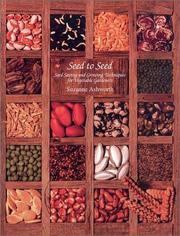
Succulents and cacti: the best books to grow and keep them alive
This curriculum takes you from your very first succulent purchase all the way to mastering propagation, soil science, and rescuing distressed plants. Each stage builds on the last — starting with the "why" behind succulent and cactus care, moving through hands-on growing skills, and finally diving into specialist knowledge for curating a truly lush, thriving collection indoors and out.
Foundations: Understanding Succulents & Cacti
BeginnerBuild core vocabulary and intuition around what succulents and cacti are, how they survive, and the non-negotiable basics of light, water, and soil before touching anything advanced.
▸ Study plan for this stage
Pace: 2–3 weeks, ~20–25 pages/day
- Succulents as a plant family: definition, characteristics, and diversity (including but not limited to cacti)
- How succulents store water in leaves, stems, and roots to survive drought and extreme conditions
- Light requirements for succulents: why they need bright, indirect to direct light and how to assess your growing space
- Watering fundamentals: the 'soak and dry' method, seasonal adjustments, and why overwatering is the primary killer of succulents
- Soil composition: why gritty, well-draining cactus/succulent mix is non-negotiable, and how to amend standard potting soil
- Container and drainage essentials: why drainage holes matter and how pot size affects watering frequency
- Basic propagation concepts: how succulents reproduce vegetatively and why this matters for beginners
- What defines a succulent plant, and how do cacti fit into the broader succulent family?
- Explain the physiological adaptations that allow succulents to survive in arid environments.
- What are the three most critical environmental factors for succulent health, and why does each matter?
- Describe the 'soak and dry' watering method and explain why it prevents the most common succulent problem.
- Why is drainage so important in succulent cultivation, and what happens if you use regular potting soil?
- How would you assess whether your home has adequate light for succulents, and what are the signs of insufficient light?
- What is the difference between propagation from leaves versus cuttings, and when would you use each method?
- Set up a 'succulent audit' of your home: identify 3–5 locations with different light conditions (bright south-facing window, north-facing, indirect), measure light levels if possible, and note which would be suitable for succulents
- Prepare a custom succulent soil mix by combining standard potting soil with perlite and coarse sand in a 1:1:1 ratio; document the texture and drainage speed by pouring water through a sample
- Practice the soak and dry method on one succulent over 2 weeks: water thoroughly until it drains, then wait until soil is completely dry before watering again; photograph the plant's response
- Collect 5–10 healthy leaves from a mature succulent (with permission) and attempt leaf propagation on a shallow tray with succulent soil; track germination and root development over 3–4 weeks
- Create a simple watering calendar for your climate and season, noting how often you'd water based on Baldwin's guidance; adjust it monthly as you observe your plants' response
- Visit a local nursery or garden center and identify at least 10 different succulent varieties; note their growth habits, leaf shapes, and colors to build visual familiarity
Next up: This foundation equips you with the vocabulary, physiological understanding, and hands-on confidence to move into the next stage—selecting specific succulent and cactus varieties, understanding their individual care requirements, and troubleshooting common problems.

The single best entry point for beginners — Baldwin demystifies succulent care with clear photos and plain language, establishing the foundational vocabulary of light, watering cycles, and soil drainage you'll need for every book that follows.
Growing Confidently: Indoors & Outdoors
BeginnerApply foundational knowledge to real growing environments — windowsills, patios, and garden beds — with practical guidance on containers, potting mixes, and seasonal care.
▸ Study plan for this stage
Pace: 4–5 weeks, ~25–30 pages/day. Start with Stockwell's practical chapters on containers and indoor/outdoor placement (1–2 weeks), then move to Dortort's regional and environmental guidance for deeper context (2–3 weeks). Allow time for hands-on setup between reading blocks.
- Container selection and drainage requirements for different succulent types and growing environments
- Potting mix composition and how to customize blends for indoor vs. outdoor conditions
- Light requirements and how to assess and optimize windowsill and patio placements
- Watering schedules and techniques that vary by season, location, and container type
- Seasonal care adjustments for dormancy, growth cycles, and climate-specific challenges
- Hardiness zones and regional growing conditions that determine which succulents thrive indoors vs. outdoors
- Pest and disease management in contained and garden settings
- Propagation and transplanting techniques for establishing new plants in real growing spaces
- What drainage features should a container have, and how do Stockwell's recommendations differ for indoor versus outdoor placements?
- How would you customize a potting mix for a succulent grown indoors on a north-facing windowsill versus one on a sunny patio?
- What seasonal watering adjustments does Stockwell recommend, and how does Dortort's regional guide inform these changes?
- Using Dortort's hardiness zones and climate data, which succulents from his guide would thrive in your specific growing environment, and which would need indoor protection?
- How do you identify and treat common pests or diseases in container-grown succulents, and when should an indoor plant be moved outdoors for recovery?
- Describe a complete propagation-to-planting workflow using both authors' guidance for establishing rooted cuttings in a new container or garden bed.
- Assess your available growing spaces (windowsills, patios, garden beds) and document light levels, temperature ranges, and humidity using Stockwell's placement criteria.
- Prepare three different potting mixes following Stockwell's recipes—one for indoor containers, one for outdoor pots, one for garden beds—and test drainage by watering samples.
- Source containers for at least three succulents (varying sizes and types) and set them up with appropriate drainage holes and potting mix, photographing the setup for reference.
- Create a seasonal watering calendar for your space using Stockwell's guidelines and cross-reference it with Dortort's climate zone information to anticipate dormancy and growth periods.
- Propagate at least 5–10 leaf or stem cuttings from existing succulents, pot them using Stockwell's techniques, and track their establishment over 4–6 weeks in your chosen growing environment.
- Research and identify 8–10 succulents from Dortort's guide that match your hardiness zone and light conditions, then plan a planting layout for your indoor or outdoor space.
Next up: Mastering these practical growing fundamentals—containers, mixes, placement, and seasonal rhythms—prepares you to troubleshoot problems, scale your collection, and explore advanced techniques like specialized propagation, hybridization, or designing cohesive succulent displays.

Bridges the gap between theory and practice by walking through container selection, outdoor planting, and design — ideal now that you know the basics and are ready to actually set up your space.
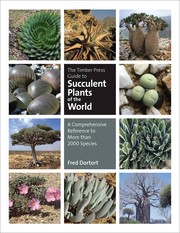
Expands your plant identification skills dramatically, giving you the reference knowledge to recognize what you're growing and understand each species' specific light and water preferences.
Advanced Mastery: Specialist Collections & Deep Cultivation
ExpertCurate and sustain a serious, diverse collection with expert-level understanding of soil chemistry, rare species, habitat-based care, and long-term collection management.
▸ Study plan for this stage
Pace: 6–8 weeks, ~40–50 pages/day with 2–3 days per week for hands-on collection work and design projects
- Advanced soil chemistry and substrate formulation for specialized growing conditions (drainage, mineral content, pH optimization for rare species)
- Taxonomic classification and botanical characteristics of rare and unusual cacti and succulent species to build a curated collection
- Habitat-based care protocols: replicating native growing conditions (temperature fluctuations, seasonal dormancy, light intensity) for optimal health
- Design principles for integrating succulents into landscape and indoor environments (color theory, texture, form, spatial composition)
- Long-term collection management: propagation techniques, pest and disease prevention at scale, record-keeping systems, and succession planning
- Rare species acquisition, authentication, and ethical sourcing practices for serious collectors
- Container selection and microclimate engineering to support diverse species with different water and light requirements
- How would you formulate a custom soil mix for a rare high-altitude Andean cactus species, and why would standard commercial soil be inadequate?
- What are the key differences in care protocols between a winter-dormant succulent and a summer-dormant species, and how would you adjust watering and temperature accordingly?
- How would you design a mixed succulent planting that accounts for different growth rates, water needs, and mature sizes while maintaining visual cohesion?
- What documentation and record-keeping systems would you implement to track propagation success rates, species performance, and collection growth over 5+ years?
- How do you evaluate and authenticate rare succulent specimens before acquisition, and what ethical considerations should guide your sourcing practices?
- What integrated pest management strategies would you deploy to prevent and treat infestations across a large, diverse collection without harming sensitive species?
- Formulate and test 3 custom soil mixes tailored to different species (e.g., one for xerophytic cacti, one for tropical succulents, one for high-drainage alpine species); document drainage rates, water retention, and plant response over 4 weeks
- Create detailed habitat profiles for 5 rare or unusual species from your collection or target acquisitions, including native climate data, seasonal patterns, and corresponding care adjustments; implement at least one protocol change based on your research
- Design a complete mixed succulent planting (container or landscape) using principles from Baldwin's book; photograph the design process, document plant selections with mature sizes and care needs, and track visual evolution over 8 weeks
- Establish a collection management system (spreadsheet, database, or app) that tracks species name, acquisition date, propagation history, health notes, and performance metrics; populate it with at least 15 plants from your current collection
- Propagate 3 different species using methods appropriate to each (leaf cuttings, offsets, seeds); document success rates, timeline, and growing conditions; compare results to published benchmarks
- Research and source one rare or specialty species; document your authentication process, supplier evaluation, and ethical sourcing considerations in a brief written report
Next up: This stage equips you with the scientific depth, design expertise, and systematic management practices necessary to transition into specialized roles—whether as a professional propagator, landscape designer, botanical consultant, or collection curator—where you can apply advanced knowledge to influence others' understanding and practice of succulent cultivation.

Hewitt's comprehensive reference is best saved for this stage — now that you can grow and propagate confidently, this book rewards you with deep cultivation detail, rare species profiles, and advanced troubleshooting.
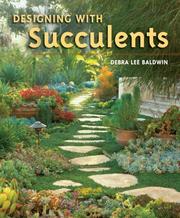
The capstone of the curriculum — Baldwin's advanced design and cultivation guide helps you synthesize everything you've learned into a cohesive, beautiful, and thriving collection both indoors and in the landscape.
Discussion
Keep reading
Paths that share books, cover the same subject, or open a related topic.