Chiropractic care: books to understand the profession and the DC path
This curriculum builds from a broad understanding of the spine and musculoskeletal system, through the philosophy and history of chiropractic, into clinical technique and evidence-based practice, and finally into the professional and research landscape. Each stage assumes the vocabulary and conceptual grounding of the previous one, creating a coherent arc from curious beginner to well-informed student of the field.
Foundations: The Spine, Posture, and the Body
BeginnerUnderstand basic spinal anatomy, posture mechanics, and how the musculoskeletal system works — building the vocabulary needed to understand chiropractic concepts.
▸ Study plan for this stage
Pace: 6–8 weeks, ~20–25 pages/day. Start with "The Anatomy Coloring Book" (weeks 1–3, ~15 pages/day of reading + coloring), then transition to "8 Steps to a Pain-Free Back" (weeks 4–8, ~25 pages/day). Allocate 2–3 sessions per week for hands-on posture practice.
- Spinal anatomy: vertebrae, discs, nerves, and how they stack and connect
- The relationship between posture and spinal health—how alignment affects disc pressure and nerve function
- Postural habits and muscle imbalances that create pain and dysfunction
- The concept of 'natural curves' of the spine and why modern posture deviates from them
- How the body's connective tissue (ligaments, fascia) supports or undermines spinal stability
- The role of core engagement and proper movement mechanics in preventing injury
- Common postural distortions (anterior pelvic tilt, rounded shoulders, forward head posture) and their anatomical consequences
- Can you label and describe the major structures of a vertebra (body, spinous process, transverse processes, facet joints) and explain how they work together?
- What is the difference between the cervical, thoracic, and lumbar spine in terms of structure and function, and why does each region have different curvatures?
- How does poor posture (e.g., forward head posture or anterior pelvic tilt) change the load on intervertebral discs and contribute to pain?
- What are the 8 steps Gokhale outlines, and how does each one address a specific postural or movement dysfunction?
- How do tight hip flexors, weak glutes, or rounded shoulders affect spinal alignment and what anatomical structures are involved?
- Why is the concept of 'stacking' your spine important, and how does it relate to the natural curves you learned about in the anatomy section?
- Complete the coloring activities in 'The Anatomy Coloring Book' for at least 5 major spinal sections (cervical, thoracic, lumbar, sacrum, and one detailed vertebra). Color-code different structures (bones in one color, nerves in another, discs in another) to reinforce visual memory.
- Perform a posture self-assessment: take a side-view photo of yourself standing naturally, then identify which postural deviations you see (forward head, rounded shoulders, anterior/posterior pelvic tilt). Compare this to the ideal posture described in Gokhale's work.
- Practice the 'Gokhale Stack' daily for 2 weeks: spend 5–10 minutes each day working through her stacking sequence, paying attention to how your spine feels when properly aligned versus in your habitual posture.
- Perform a simple movement audit: walk, sit, and bend as you normally do, then repeat each movement using Gokhale's principles (e.g., bending from the hips, not the lower back). Notice the difference in effort and comfort.
- Create an annotated anatomical drawing: sketch the spine from the side, labeling the curves, key vertebrae, discs, and nerve roots. Then annotate how forward head posture or anterior pelvic tilt would shift these structures.
- Practice the 'Gokhale Glide' (horizontal walking posture) for 10 minutes daily, focusing on the sensation of lengthening your spine and engaging your core without tension.
Next up: This stage establishes the anatomical vocabulary and postural baseline needed to understand how spinal misalignment creates dysfunction—preparing you to explore specific chiropractic techniques, subluxations, and adjustment principles in the next stage.
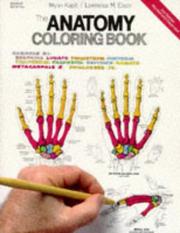
An accessible, visual introduction to human anatomy including the spine and nervous system; coloring the structures actively encodes the terminology needed for every later stage.
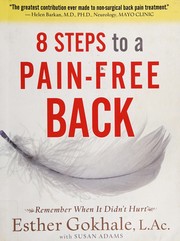
Introduces postural mechanics and spinal alignment in plain language, giving the beginner an intuitive feel for how spinal position affects health before encountering clinical theory.
Philosophy and History of Chiropractic
BeginnerUnderstand where chiropractic came from, its founding principles (subluxation, innate intelligence, vitalism), and how the profession developed and defined itself.
The foundational text written by chiropractic's founder; reading it first-hand reveals the original philosophy and vocabulary that still shapes professional debates today.
Clinical Science: Spinal Biomechanics and Manipulation
IntermediateGrasp the biomechanical and neurophysiological rationale for spinal manipulation, understand how adjustments are categorized, and appreciate the evidence base for common techniques.
▸ Study plan for this stage
Pace: 8–10 weeks, ~40–50 pages/day (mix of dense biomechanics and clinical application material). Allocate 3–4 weeks to White, 2–3 weeks to Maitland, and 3–4 weeks to Haldeman, with 1 week for review and integration.
- Spinal anatomy and kinematics: vertebral motion segments, degrees of freedom, and how load and posture affect segmental mechanics
- Biomechanical principles of manipulation: force vectors, lever arms, pre-load, and the role of velocity and amplitude in adjustment techniques
- Neurophysiological mechanisms: mechanoreceptor activation, proprioceptive feedback, and how manipulation influences motor control and pain pathways
- Vertebral subluxation concept and its biomechanical basis: segmental dysfunction, restricted motion, and the rationale for corrective adjustment
- Classification of manipulation techniques: high-velocity low-amplitude (HVLA) thrusts, mobilization, and soft-tissue approaches—when and why each is indicated
- Evidence base for spinal manipulation: clinical outcomes, safety considerations, and the distinction between theoretical rationale and empirical validation
- Segmental analysis and palpation: identifying hypomobile and hypermobile segments to guide treatment selection
- Postural and ergonomic factors: how biomechanical stress accumulates and why manipulation alone requires lifestyle modification for lasting results
- Explain the biomechanical difference between a hypomobile and hypermobile spinal segment, and why treating them requires different approaches.
- Describe how a high-velocity low-amplitude (HVLA) thrust works at the biomechanical level—what role do force, velocity, amplitude, and pre-load play?
- What neurophysiological changes occur when a spinal manipulation is performed, and how do mechanoreceptors and proprioceptive feedback contribute to therapeutic effect?
- How does the vertebral subluxation concept relate to segmental dysfunction and restricted motion, and what is the evidence supporting or limiting this model?
- Compare and contrast the indications for HVLA manipulation, mobilization, and soft-tissue techniques based on the biomechanical and clinical evidence presented.
- What role do postural and ergonomic factors play in spinal dysfunction, and why is patient education and lifestyle modification essential alongside manipulation?
- Anatomical review: Using White's detailed illustrations and descriptions, map out the motion segments of the cervical, thoracic, and lumbar spine—identify the degrees of freedom and normal ranges of motion for each region.
- Biomechanical analysis: Select three common spinal complaints (e.g., low back pain, cervical headache, thoracic dysfunction) and trace the biomechanical pathway from postural stress to segmental restriction using White's framework.
- Manipulation technique deconstruction: For each major technique in Maitland, identify the force vector, lever arm, pre-load strategy, and intended segmental outcome—sketch or describe the biomechanics in writing.
- Neurophysiological mechanism mapping: Create a flowchart showing how manipulation activates mechanoreceptors, influences proprioceptive feedback, and modulates pain pathways based on Haldeman's neurophysiological principles.
- Case study analysis: Work through 3–5 clinical cases from Haldeman (or create your own based on the books' principles) and justify your choice of technique (HVLA, mobilization, or soft-tissue) using biomechanical and evidence-based reasoning.
- Palpation and segmental assessment practice: If possible, practice identifying hypomobile and hypermobile segments on a partner or model, correlating your findings with the biomechanical principles from White and the clinical assessment methods in Maitland and Haldeman.
Next up: This stage equips you with the biomechanical and neurophysiological foundation to understand *why* manipulation works and *how* to select appropriate techniques, preparing you to advance to clinical diagnosis, patient assessment, and treatment planning in the next stage.
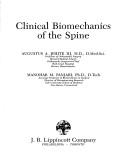
A rigorous but readable treatment of spinal mechanics that bridges basic anatomy and clinical application, providing the scientific framework for understanding why manipulation works.

Explains the conceptual logic of spinal manipulation — joint mechanics, end-feel, and therapeutic intent — in accessible terms before the reader encounters full clinical technique texts.
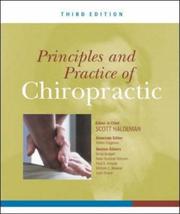
The most widely used comprehensive chiropractic textbook; after the prior conceptual groundwork, this serves as the definitive clinical and scientific reference for the field.
Evidence, Research, and Scope of Practice
ExpertCritically evaluate the research literature on chiropractic efficacy, understand its place within integrative and mainstream healthcare, and appreciate ongoing professional debates.
▸ Study plan for this stage
Pace: 4–5 weeks, ~40–50 pages/day (approximately 280–350 pages total; Singh's book is dense with citations and critical analysis, warranting careful, annotated reading)
- How to critically appraise clinical trial design, statistical significance, and effect sizes in chiropractic research
- The distinction between plausible mechanisms, anecdotal evidence, and rigorous randomized controlled trial (RCT) evidence
- Singh's methodological critique of chiropractic studies: publication bias, small sample sizes, and inadequate blinding
- Evidence-based assessment of spinal manipulation for specific conditions (neck pain, lower back pain, headaches) versus claims of broader health benefits
- The vertebral artery dissection (VAD) controversy: risk assessment, incidence rates, and causation debates in cervical manipulation
- How chiropractic fits within integrative medicine frameworks and the tension between traditional subluxation theory and modern evidence
- Professional and regulatory responses to evidence: how chiropractic organizations have adapted (or resisted) evidence-based practice standards
- The role of confirmation bias and placebo effects in perpetuating chiropractic beliefs despite limited mechanistic evidence
- What are the main methodological flaws Singh identifies in chiropractic research, and how do they affect the strength of conclusions about efficacy?
- For which conditions does Singh argue there is credible evidence supporting spinal manipulation, and for which does he find the evidence lacking?
- What is vertebral artery dissection, what does the evidence suggest about its relationship to cervical manipulation, and why is this debate significant?
- How does Singh distinguish between the traditional chiropractic concept of subluxation and what modern evidence supports?
- What role do placebo effects and patient expectations play in chiropractic outcomes, according to Singh's analysis?
- How has the chiropractic profession responded to critical evidence, and what tensions exist between evidence-based practice and traditional chiropractic philosophy?
- Create a critical appraisal checklist (using Singh's framework) and apply it to 2–3 chiropractic studies you find online; document which methodological issues are present and how they limit conclusions
- Write a 2–3 page evidence summary for one condition (e.g., lower back pain) comparing what Singh says the evidence supports versus common chiropractic marketing claims
- Map out the vertebral artery dissection debate: list the key arguments on both sides (causation vs. coincidence) and identify what additional evidence would be needed to resolve it
- Analyze a chiropractic organization's website or patient materials; identify claims that align with Singh's evidence-based findings and those that exceed the evidence
- Conduct a mock literature review: search PubMed for 'spinal manipulation' + one condition and categorize the first 10 results by study quality using Singh's criteria
- Debate exercise: prepare arguments for and against the statement 'Chiropractic should be considered evidence-based medicine' using Singh's evidence as your foundation
Next up: This stage equips you with critical tools to evaluate chiropractic claims against rigorous evidence, positioning you to explore how integrative practitioners and patients navigate the gap between tradition and science, and how regulatory and professional standards are evolving in response to evidence.

A rigorous, skeptical review of the evidence for chiropractic and other alternative therapies; reading a well-argued critical perspective is essential for any serious student of the field.
Discussion
Keep reading
Paths that share books, cover the same subject, or open a related topic.