Heating with wood is the kind of subject where the appliance gets all the attention and the chimney causes all the problems. Most wood-heat house fires trace back to creosote in the flue, inadequate clearance to combustibles, or wet fuel burned at low temperature — and none of those are stove faults. They are system faults, which is why the books worth reading treat stove, flue, fuel and operating habit as one thing.
The literature here is largely from the 1970s and 1980s wood-heat revival, which means it is deep on principle and dated on products. Modern EPA-certified and secondary-combustion stoves burn very differently from the airtights these books describe, and current installation codes are stricter. Read them for how combustion and draft work; take installation specifics from your stove's manual, current code and a certified installer or sweep.
The practical overview
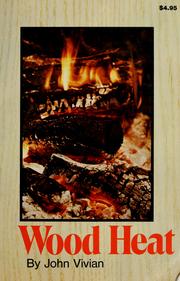
Start with Wood heat by John Vivian, the friendly and comprehensive introduction: how a stove and chimney work together, sizing a stove to a space, how draft is created, basic masonry and installation considerations, and the seasonal rhythm of heating with wood. It is the book that gives you the vocabulary for everything else.
The technical reference
Then The woodburners encyclopedia by Jay Shelton and Andrew Shapiro, which is the serious technical treatment — combustion chemistry, heat transfer, efficiency measurement, flue sizing and draft calculation, and the physics of why a chimney pulls. Shelton did actual laboratory testing rather than repeating folklore, and the book is unusually willing to say which popular claims do not survive measurement. This is the one that changes how you operate a stove.
The fuel
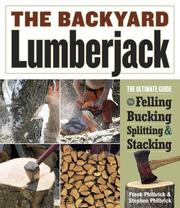
The backyard lumberjack by Frank and Stephen Philbrick covers the half of the system that happens outdoors: felling, bucking, splitting, stacking and seasoning, plus chainsaw handling and safety. Fuel moisture is the largest single variable in clean burning — wood at twenty percent moisture behaves nothing like wood at forty, and most creosote problems begin in the woodpile. Chainsaw work is genuinely dangerous, and a hands-on safety course is worth more than any chapter.
Safety, explicitly
Close with Wood heat safety by Jay Shelton, the focused treatment of clearances, floor protection, flue connections, chimney construction, creosote formation and inspection. It is the most directly useful book on this list for avoiding the failure modes that matter, and it is worth reading even if your stove is already installed.
What the books cannot settle
Insurance and code requirements vary widely, and many jurisdictions require permits, listed appliances and inspection for a wood-burning installation. Chimneys need sweeping and inspection on a schedule that depends on how you burn — annual inspection is the common baseline. Books make you an informed owner; a certified sweep and an inspector are what keep the installation legal and insured.
Read Vivian in a weekend, keep Shelton on the shelf. Follow the full path for the stage-by-stage plan.
Follow the full ordered path here: The Best Books on Wood Stoves and Chimneys to Read First.
Ready to learn something deeply?
Build a reading path — free