How to Become a CNA: The Best Books, In Order
This curriculum takes a complete beginner from zero healthcare knowledge to CNA exam readiness and confident patient-care practice. It starts by building core medical vocabulary and foundational nursing-assistant concepts, then moves into hands-on clinical skills, and finally sharpens exam technique with dedicated test-prep — mirroring the exact sequence most accredited CNA programs follow before state certification testing.
Foundations: Medical Language & the CNA Role
BeginnerUnderstand basic medical terminology, the scope of a CNA's duties, legal/ethical responsibilities, and the healthcare team structure — the vocabulary and context needed for everything that follows.
▸ Study plan for this stage
Pace: 4–5 weeks, ~25–30 pages/day. Start with "Medical Terminology For Health Professions" (weeks 1–2.5), then move to "Being a nursing assistant" (weeks 2.5–5) with overlap for reinforcement.
- Medical terminology: word roots, prefixes, suffixes, and how to deconstruct clinical terms to understand meaning
- Body systems overview: anatomical organization and how different systems interact in patient care
- The CNA scope of practice: what CNAs can and cannot do, and the importance of staying within legal boundaries
- Legal and ethical responsibilities: patient rights, confidentiality (HIPAA), informed consent, and duty of care
- Healthcare team structure: roles of physicians, nurses, CNAs, and other professionals; chain of command and communication protocols
- Patient safety and infection control fundamentals: basic hygiene, asepsis, and preventing cross-contamination
- Communication and professionalism: documentation standards, reporting to supervisors, and maintaining patient dignity
- How would you break down the medical term 'hypertension' into its component parts, and what does each part mean?
- What are the key differences between the scope of practice for a CNA versus a licensed nurse, and why are these boundaries important?
- Describe the typical healthcare team structure in a hospital or care facility and explain how a CNA communicates with different team members.
- What are your legal and ethical obligations as a CNA regarding patient confidentiality and informed consent?
- Explain the basic principles of infection control and asepsis that a CNA must follow in daily practice.
- If a patient asks you to perform a task that you believe is outside your scope of practice, what should you do?
- Create a personal medical terminology glossary: select 50 common clinical terms from 'Medical Terminology For Health Professions,' deconstruct each into roots/prefixes/suffixes, and write a simple definition in your own words.
- Practice term deconstruction: given 10–15 unfamiliar medical terms, break them down and predict their meanings before checking a dictionary.
- Draw and label a simple diagram of 2–3 major body systems (e.g., cardiovascular, respiratory, musculoskeletal) and note how they interact.
- Role-play scenario: act out a situation where a patient requests something outside your CNA scope; practice how you would politely decline and escalate to a nurse.
- Create an organizational chart of your local healthcare facility (or a typical hospital) showing the chain of command and communication pathways for CNAs.
- Write a one-page reflection on a real or hypothetical ethical dilemma (e.g., a patient asking you to keep information confidential from their family) and explain how you would handle it using principles from 'Being a nursing assistant.'
Next up: Mastery of medical terminology and a clear understanding of the CNA role, legal boundaries, and healthcare team dynamics provide the essential vocabulary and professional context needed to learn specific clinical skills—such as patient hygiene, vital signs, and safe patient handling—in the next stage.
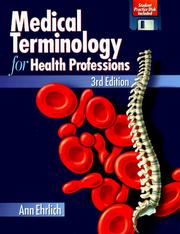
Builds the essential medical vocabulary (prefixes, suffixes, body systems) that appears throughout every CNA textbook and on the certification exam. Reading this first prevents confusion with clinical terms later.
A widely adopted introductory CNA textbook covering the role, residents' rights, communication, infection control, and safety — the ideal first look at what the job actually involves before diving into skills.
Core Patient Care Skills
BeginnerMaster the hands-on clinical procedures CNAs perform daily — personal care, mobility, vital signs, nutrition, elimination, and safety — with enough depth to practice them correctly in a clinical setting.
▸ Study plan for this stage
Pace: 8–10 weeks, ~40–50 pages/day with 2–3 practice sessions per week. Start with Acello's procedural chapters (weeks 1–4), then transition to Sorrentino's comprehensive coverage and skill refinement (weeks 5–10). Allow 1 week buffer for review and skill consolidation before moving to the next stage.
- Personal hygiene and grooming procedures (bathing, oral care, hair care, nail care) and how to maintain patient dignity and comfort during intimate care
- Body mechanics, safe patient handling, and transfer techniques (bed mobility, wheelchair transfers, ambulation assistance) to prevent injury to self and patient
- Vital signs measurement (temperature, pulse, respiration, blood pressure) and recognition of normal vs. abnormal values requiring nurse notification
- Activities of daily living (ADL) assistance: dressing, toileting, feeding, and catheter/bedpan/urinal care with infection control practices
- Nutrition and hydration support: assisting with meals, monitoring intake, recognizing swallowing difficulties, and documenting fluid/food intake
- Infection control and safety protocols: hand hygiene, PPE use, standard precautions, and maintaining a safe patient environment
- Patient communication, comfort measures, and emotional support during vulnerable care activities
- Documentation and reporting: recording observations, vital signs, and patient responses accurately for the nursing team
- Describe the step-by-step process for assisting a patient with a complete bed bath, including how to maintain privacy, prevent heat loss, and ensure water temperature safety.
- Explain proper body mechanics and demonstrate (or describe) at least three safe patient transfer techniques: bed-to-wheelchair, wheelchair-to-toilet, and ambulation with a gait belt.
- How do you measure and record vital signs (temperature, pulse, respiration, blood pressure) correctly, and what values would prompt you to notify the nurse immediately?
- Walk through the procedure for assisting a patient with toileting, including catheter care or bedpan use, with attention to infection control and dignity.
- What are the key differences between standard precautions and transmission-based precautions, and when would you use each in daily patient care?
- Describe how you would assist a patient who has difficulty swallowing during a meal, and what observations you would report to the nurse.
- Practice vital signs measurement on a peer or mannequin: take temperature (oral, axillary, tympanic), pulse, respiration, and blood pressure at least 5 times each until readings are consistent and accurate.
- Perform a complete bed bath procedure on a mannequin or volunteer, focusing on water temperature, patient positioning, draping for privacy, and efficient sequencing of body areas.
- Demonstrate safe patient transfers using a gait belt: practice bed-to-wheelchair, wheelchair-to-toilet, and standing ambulation with a partner playing the patient role.
- Set up and use a bedpan and urinal correctly; practice assisting a patient (mannequin or role-play) with toileting while maintaining infection control and privacy.
- Role-play feeding a patient with swallowing precautions: practice pacing, positioning, and recognizing signs of difficulty; document what you observe.
- Perform hand hygiene and don/doff PPE (gloves, gown, mask, eye protection) in the correct sequence at least 10 times until it becomes automatic.
Next up: Mastery of these foundational hands-on skills provides the clinical competency base needed to advance to specialized patient care contexts—such as caring for patients with specific conditions (dementia, post-operative, terminal care) and adapting procedures to complex medical situations—which the next stage will address.

One of the most widely used CNA skills textbooks in the U.S.; its step-by-step procedure format directly mirrors how skills are evaluated on the state practical exam, making it the backbone of this stage.
A comprehensive, richly illustrated reference that goes deeper on body systems, disease processes, and special populations (elderly, rehabilitation, mental health) — read after Hegner to fill in clinical reasoning gaps.
Specialized & Long-Term Care Settings
IntermediateUnderstand the unique needs of elderly and cognitively impaired residents in long-term care, including dementia care, end-of-life support, and restorative nursing — the most common CNA work environment.
▸ Study plan for this stage
Pace: 6–8 weeks, ~40–50 pages/day (mix of both books). Start with "The 36-Hour Day" (weeks 1–3, ~300 pages), then transition to "Mosby's Textbook" (weeks 4–8, ~400+ pages). Allocate 2–3 days per major topic for review and note-taking.
- Dementia progression and behavioral changes: understanding the stages of Alzheimer's and other dementias, and how to interpret challenging behaviors as communication
- Person-centered care for cognitively impaired residents: adapting communication, environment, and routines to preserve dignity and reduce agitation
- Activities of daily living (ADL) assistance in long-term care: safe, respectful techniques for bathing, toileting, dressing, and grooming residents with cognitive decline
- End-of-life and palliative care: recognizing signs of decline, providing comfort care, and supporting residents and families during terminal illness
- Restorative nursing principles: maintaining and improving resident function through purposeful activity, mobility, and independence rather than total dependence
- Infection control and safety in congregate settings: preventing disease transmission and managing common health risks in long-term care populations
- Documentation and reporting: accurately recording observations of resident status, behavior changes, and care provided in long-term care environments
- Interdisciplinary team collaboration: working with nurses, social workers, and other professionals to coordinate resident care
- What are the three main stages of Alzheimer's disease, and how do the behavioral and cognitive changes differ in each stage?
- How would you modify your approach to bathing, dressing, or toileting a resident with moderate dementia who is resistive or confused?
- What are the key principles of person-centered care, and how do they differ from task-focused care in long-term settings?
- How do you recognize signs that a resident is entering the end-of-life phase, and what comfort measures can a CNA provide?
- What is restorative nursing, and how does it differ from custodial care? Give three examples of restorative activities a CNA might facilitate.
- Describe three strategies to reduce infection transmission in a long-term care facility where residents share common spaces.
- What should you document or report to the nurse if you notice a sudden change in a resident's behavior, appetite, or continence?
- Read and annotate Part 1 of 'The 36-Hour Day' (family guide to dementia); create a one-page summary of each dementia stage with behavioral examples you might encounter as a CNA.
- Role-play or simulate assisting a 'resident' with dementia through a morning routine (bathing, dressing, toileting); practice calm redirection, validation, and patience when the person resists or becomes confused.
- Review case studies in Mosby's Textbook on residents with dementia; for each, identify the stage of dementia, predict likely behaviors, and write a care plan addressing ADLs and safety.
- Create a 'communication toolkit' with 5–10 phrases and techniques for communicating with residents at different cognitive levels (early, moderate, advanced dementia).
- Observe or shadow a CNA in a long-term care setting for 4–6 hours; document examples of person-centered care, restorative activities, and how staff handle behavioral challenges.
- Develop an end-of-life care checklist based on Mosby's chapter on palliative care; practice comfort measures (positioning, hygiene, emotional support) with a peer or mannequin.
Next up: This stage equips you with deep knowledge of the most common CNA work environment and the complex, vulnerable populations you'll serve; the next stage will likely build on this foundation by introducing specialized skills (wound care, catheter care, vital signs monitoring) and advanced communication in acute or rehabilitation settings.
The definitive guide to understanding Alzheimer's and dementia from the caregiver's perspective; CNAs working in long-term care encounter dementia daily, and this book builds the empathy and practical strategies the textbooks don't fully cover.

Focuses specifically on the skilled nursing facility environment, restorative care, and regulatory compliance (OBRA) — bridges general CNA training to the realities of the most common employment setting.
Exam Prep & Certification Readiness
IntermediateConsolidate all knowledge into exam-ready form, practice the exact question formats used on the NNAAP (or state-equivalent) written and skills tests, and identify and close any remaining knowledge gaps before sitting for state certification.
Provides targeted review of high-yield exam topics, test-taking strategies, and full practice tests aligned to the national competency exam blueprint — the most efficient final review tool.
Discussion
Keep reading
Paths that share books, cover the same subject, or open a related topic.