Bouldering and sport climbing: essential books to climb harder
This curriculum takes a complete beginner from their very first moves on the wall all the way to structured training for hard boulders and sport routes. Each stage builds on the last: you first develop movement intuition and safety literacy, then refine technique, then layer on systematic training and performance skills — so no concept arrives before you have the foundation to absorb it.
Foundations: Movement & Safety Basics
BeginnerUnderstand how climbing movement works, build core vocabulary, and learn the essential safety systems for bouldering and sport climbing so you can get on the wall confidently and safely.
▸ Study plan for this stage
Pace: 4–5 weeks, ~20–25 pages/day. Allocate extra time for chapters on movement technique and safety systems; revisit diagrams and photos multiple times.
- The climbing movement pyramid: footwork, body positioning, and grip technique form the foundation of efficient climbing
- Core engagement and center-of-gravity principles—how to climb with your legs and core rather than relying on arm strength
- Belay systems, anchor points, and rope management for sport climbing safety
- Bouldering-specific movement: dynamic vs. static moves, problem-reading, and fall management on pads
- Climbing grades and rating systems (5.x for sport, V-grades for bouldering) and what they mean for progression
- Common movement mistakes and how to identify and correct them in real time
- Mental approach to climbing: fear management, confidence building, and the psychology of learning new movements
- Explain the climbing movement pyramid and why footwork is considered the foundation rather than upper-body strength.
- What is the relationship between center of gravity and efficient climbing technique, and how does body positioning affect your ability to climb harder grades?
- Describe the essential components of a safe belay system for sport climbing and explain the purpose of each component.
- What are the key differences between dynamic and static movement in bouldering, and when should you use each?
- How do you read a bouldering problem before attempting it, and what role does movement planning play in safe climbing?
- What are the most common movement mistakes beginners make, and how can you identify them in your own climbing?
- Footwork drills: Spend 2–3 sessions focusing exclusively on foot placement and weight transfer; practice on easy routes without using your hands for balance.
- Core engagement practice: Perform planks, hollow-body holds, and scapular push-ups 3–4 times per week to build the strength needed for proper body positioning on the wall.
- Belay and anchor setup: Practice setting up a belay station and tying in with a partner at least twice before your first sport climbing session; have an experienced climber verify your setup.
- Problem-reading exercise: Before attempting a boulder problem, spend 2–3 minutes studying the holds, planning your sequence, and identifying the crux (hardest section) without touching the wall.
- Video analysis: Record yourself climbing easy routes and compare your movement to the photos and diagrams in Horst's book; identify one technique to improve each session.
- Controlled fall practice: On a bouldering wall with good pads, practice falling safely from progressively higher heights to build confidence and body awareness.
Next up: This stage equips you with the movement vocabulary, safety knowledge, and foundational technique needed to progress to the next stage, where you'll learn sport-specific training systems and how to systematically build strength and endurance for harder climbs.
Published by the American Alpine Club, this is the clearest entry-level guide to transitioning from a gym setting to real climbing, covering gear, safety, and first movement principles — perfect as your very first read.

Despite the title, Horst opens with foundational movement concepts and mental skills accessible to beginners, giving you a goal-oriented framework and vocabulary that makes every later book easier to absorb.
Movement Mastery: Technique on the Wall
BeginnerDevelop a deep, body-level understanding of footwork, body positioning, balance, and efficient movement patterns on both bouldering problems and sport routes.
▸ Study plan for this stage
Pace: 6–8 weeks, ~20–25 pages/day with 2–3 climbing sessions/week for technique practice
- Footwork fundamentals: precise foot placement, edging, smearing, and weight distribution on different hold types
- Body positioning and hip alignment: keeping hips close to the wall, rotating hips, and using core engagement for efficiency
- Balance and center of gravity: understanding how to shift weight, maintain control on overhanging terrain, and recover from poor positions
- Movement sequencing: linking moves together smoothly, anticipating the next hold, and reading the rock to plan efficient sequences
- Climbing economy: minimizing wasted energy, using momentum strategically, and developing the habit of efficient movement patterns
- Self-assessment and self-coaching: using video review and body awareness to identify and correct technical flaws independently
- Technique differences between bouldering and sport climbing: how problems versus routes demand different pacing, endurance, and movement strategies
- What are the key differences between edging and smearing, and when should you use each technique on the wall?
- How does hip positioning affect your reach, balance, and energy expenditure, and what does 'keeping your hips close' actually mean in practice?
- Describe the relationship between your center of gravity and the wall—how do you maintain balance on overhanging terrain versus vertical terrain?
- What is the self-coaching process outlined in Hague's work, and how can you use it to identify and fix your own movement inefficiencies?
- How do the movement demands differ between bouldering problems and sport climbing routes, and how should your technique adapt accordingly?
- What role does footwork play in efficient climbing, and how can deliberate foot placement reduce the load on your upper body?
- Video yourself climbing 5–10 problems or routes at your current level, then review the footage focusing on foot placement, hip position, and balance—identify 2–3 technical habits to improve
- Perform 'footwork drills' on easy terrain: climb 3–5 problems using only your feet to initiate each move, keeping your hands passive until the last moment
- Practice 'hip rotation drills': climb 5–8 routes or problems deliberately rotating your hips into the wall on every move, exaggerating the motion to build body awareness
- Do a 'movement sequencing exercise': before climbing, study a problem or route for 30 seconds and plan your exact hand and foot sequence, then execute it without deviation
- Climb the same problem or route 5–10 times, each time focusing on a single technical element (footwork, hip position, balance, or flow), and notice how isolation improves your overall efficiency
- Record yourself climbing and compare your movement to video examples in Kettle's book or online coaching resources—identify specific differences and practice the corrected version
Next up: This stage builds the foundational technical vocabulary and body awareness needed to progress to the next stage, where you'll apply these movement principles to climbing harder grades, developing strength and power while maintaining the efficient technique you've internalized here.
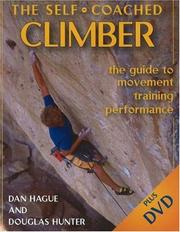
A systematic, drill-based approach to movement analysis — it teaches you how to observe and correct your own technique, which is the single most valuable skill a self-improving climber can have.

Focuses purely on the biomechanics of movement with clear progressions; read after Hague so you can apply its detailed positional cues to the self-analysis framework you've already built.
Sport Climbing Systems & Route Reading
IntermediateMaster sport-climbing-specific skills — clipping, lead falls, route reading, and redpointing strategy — so you can pursue projects on bolted routes with confidence and good judgment.
▸ Study plan for this stage
Pace: 4–5 weeks, ~25–30 pages/day, with 2–3 rest days per week for practice and reflection
- Route reading and problem-solving: systematically analyzing boulder problems to identify sequences, crux sections, and optimal movement patterns before climbing
- Footwork precision and body positioning: understanding how foot placement, hip positioning, and weight distribution directly enable efficient movement on technical terrain
- Mental approach to redpointing: developing the psychological resilience and strategic mindset needed to work projects methodically through multiple attempts
- Clipping technique and lead-fall mechanics: mastering safe, efficient clipping on bolted routes and understanding how to fall safely to build confidence on sport climbs
- Training methodology for climbing: recognizing how to structure sessions, manage fatigue, and build strength and endurance specific to sport climbing demands
- Risk assessment and judgment: evaluating route difficulty, personal readiness, and environmental factors to climb with confidence and good judgment
- How do you systematically read a boulder problem or sport route to identify the crux and plan your sequence before climbing?
- What role does footwork and hip positioning play in efficient climbing, and how do you practice improving these fundamentals?
- What is the mental and physical strategy for redpointing a project, and how do you manage frustration and fatigue over multiple attempts?
- How do you clip safely and efficiently on a lead route, and what should you know about falling safely to build confidence?
- How should you structure a training week for sport climbing to balance project work, strength building, and recovery?
- What factors should you consider when assessing whether a route is appropriate for your current ability level?
- Spend 15–20 minutes before each climbing session analyzing 2–3 boulder problems or routes on paper: sketch the holds, mark the crux, and write out your intended sequence step-by-step
- Film yourself climbing a familiar problem, then review the footage focusing on foot placement and hip positioning; identify 3 specific improvements and practice them on easier problems
- Work a single boulder project for 2–3 sessions without trying to send it; instead, focus on learning the sequence, identifying the hardest move, and building a repeatable approach
- Practice clipping drills on a lead wall: clip 5–10 bolts at moderate height with a partner belaying, focusing on smooth, efficient hand placement and body positioning near the wall
- Take a fall intentionally on a bolted route (with proper setup and belayer) at least once per week to desensitize yourself and build trust in your gear and belayer
- Plan a full climbing week on paper: allocate days for project work, strength training, endurance climbing, and rest; track how different structures affect your performance and recovery
Next up: Understanding sport climbing systems and route reading in *Better Bouldering* establishes the foundational problem-solving, footwork, and mental discipline needed to progress to the next stage, where you'll apply these skills to longer, more complex sport routes and develop advanced redpointing and project management strategies.
The most thorough single-volume treatment of sport-climbing systems: anchor building, lead falls, clipping technique, and ethics — essential before you start projecting routes outdoors.

Sherman's classic covers bouldering-specific movement, problem reading, and outdoor etiquette; placed here so you can cross-apply route-reading skills between disciplines at the intermediate stage.
Structured Training: Building Strength & Power
IntermediateUnderstand the physiology of climbing fitness and follow a structured training plan targeting finger strength, power, endurance, and antagonist conditioning to break through plateaus.
▸ Study plan for this stage
Pace: 4–5 weeks, ~25–30 pages/day with 2–3 rest days per week for practical application
- The physiological systems underlying climbing performance: aerobic capacity, anaerobic power, muscular endurance, and finger tendon strength
- Periodization and training cycles: how to structure macrocycles, mesocycles, and microcycles to peak performance while avoiding overtraining
- Antagonist training and injury prevention: the critical role of opposing muscle groups (back, shoulders, core) in balancing climbing-specific adaptations
- Finger strength development: progressive loading strategies for pulleys and tendons, including campus boards, hangboards, and lock-off training
- Power and explosive strength: plyometric and dynamic movement patterns that translate to climbing performance on steep terrain
- Endurance conditioning for climbing: sustaining effort on long pitches and building aerobic base without sacrificing power
- Individual assessment and testing: how to identify personal weaknesses, establish baselines, and track progress through climbing-specific metrics
- Programming for plateau-breaking: how to manipulate volume, intensity, and recovery to overcome stagnation and continue adapting
- What are the primary physiological systems that limit climbing performance, and how do they differ between bouldering and sport climbing?
- How would you structure a 12-week training cycle using periodization principles to build finger strength while managing injury risk?
- Why is antagonist training essential for climbers, and what specific exercises target the muscles that oppose climbing movements?
- What are the differences between campus board training, hangboard training, and lock-off training, and when should each be used in a training plan?
- How do you assess your current climbing fitness level, and what metrics should you track to measure progress over a training cycle?
- What strategies would you employ to break through a training plateau, and how would you modify your program to continue making gains?
- Conduct a personal fitness assessment using Horst's testing protocols: measure your maximum hang time on a standard edge, campus board reach, pull-up max, and endurance on a 7-minute ARC (Aerobic Restoration Circuit) to establish baseline metrics
- Design a 12-week periodized training plan for yourself based on Horst's framework, specifying macrocycle goals, mesocycle focus (e.g., power, endurance, strength), and weekly microcycle structure with climbing days, antagonist days, and rest days
- Perform a climbing-specific movement analysis: video record yourself climbing a moderate route and identify 3–4 movement weaknesses (e.g., lock-offs, footwork, body tension); then select antagonist and supplemental exercises from Horst's recommendations to address these
- Implement a 4-week hangboard protocol following Horst's progressive loading guidelines: start with your baseline hang time and systematically add weight or reduce rest periods, tracking weekly progress and subjective tendon stress
- Build and execute a weekly antagonist training session incorporating exercises from Horst's protocols (e.g., rows, reverse flyes, core work, shoulder presses); document sets, reps, and perceived exertion to ensure balanced development
- Create a training log template based on Horst's recommendations and maintain it for 3 weeks, recording climbing sessions (route/problem grade, duration, intensity), antagonist work, rest quality, and subjective fatigue; review weekly to identify patterns and adjust intensity accordingly
Next up: This stage equips you with the science-backed framework and practical tools to systematically build climbing fitness, setting the foundation for the next stage where you'll learn to apply these principles to sport-specific scenarios, advanced techniques, and long-term athletic development.
A modern, evidence-based training manual covering technique, strength, and mental performance in one cohesive system — the best single training book for climbers moving from intermediate to advanced.

Horst's comprehensive training reference dives deep into periodization, hangboard protocols, and energy systems; read after The Climbing Bible so you can customize its programs with a solid physiological foundation.
Advanced Performance: Mental Game & High-Level Sending
ExpertIntegrate physical training with mental performance, fear management, and project strategy to consistently send at your limit and keep progressing on hard boulders and sport routes.
▸ Study plan for this stage
Pace: 4–5 weeks, ~25–30 pages/day, with 2–3 days per week dedicated to on-wall practice and mental drills
- The concept of 'inner game' vs. 'outer game'—how mental state directly controls climbing performance and fear response
- Presence and awareness as foundational skills—learning to climb in the moment rather than being hijacked by self-doubt or outcome anxiety
- Fear management through understanding the difference between rational fear (protective) and irrational fear (performance-limiting)
- Self-talk and internal dialogue as a tool to reprogram limiting beliefs and build confidence on hard sends
- The role of commitment and decisiveness in climbing—how hesitation and second-guessing undermine performance
- Process-oriented climbing vs. outcome-oriented climbing—focusing on execution rather than whether you'll succeed
- Visualization and mental rehearsal as a training method equal in importance to physical training
- Ego and attachment as obstacles—recognizing how ego-driven climbing creates unnecessary pressure and blocks flow
- What is the difference between the 'inner game' and 'outer game' in climbing, and why does Ilgner argue the inner game is more important for sending hard?
- How does irrational fear differ from rational fear, and what are practical strategies Ilgner offers to distinguish and manage each?
- What does it mean to climb with 'presence' and 'awareness,' and how does this mental state improve performance on projects?
- How can self-talk and internal dialogue be used to overcome limiting beliefs and build confidence on difficult sends?
- What is the relationship between commitment, decisiveness, and successful climbing performance according to Ilgner?
- Why does Ilgner emphasize process-oriented goals over outcome-oriented goals, and how do you apply this to your climbing projects?
- Record your self-talk during a climbing session (video or audio), then review it and identify limiting beliefs; rewrite 3–5 statements into empowering alternatives and test them on your next session
- Practice a 5-minute pre-climb visualization routine before attempting a project: vividly imagine yourself moving through the crux with perfect technique and commitment, then climb and note any differences in performance
- Climb a boulder or route at 70–80% difficulty while practicing 'presence drills'—focus only on the next hold, your breath, and body position; notice when your mind wanders to outcome and gently redirect
- Identify one irrational fear that limits your sending (e.g., 'I always fail on the crux') and design a mini-project to test and disprove it; document the results
- During a session, deliberately climb one project with a process-focused mindset (focus on technique, breathing, movement quality) and another with an outcome-focused mindset; journal the differences in how you felt and performed
- Create a 'commitment card' listing 3 projects you're working on and write one sentence for each describing what full commitment and decisiveness looks like for that specific climb
- Practice the 'fear inventory' exercise: list all fears that arise during climbing, categorize each as rational or irrational, and write a response strategy for the irrational ones
- Lead a project-focused training session where you deliberately practice the crux section 10+ times with the goal of improving one specific technical detail, not sending; observe how removing outcome pressure changes your performance
Next up: This stage establishes the mental and psychological foundation for sustained high-level performance, preparing you to apply these inner-game principles to periodized training systems and long-term project management in the next stage.
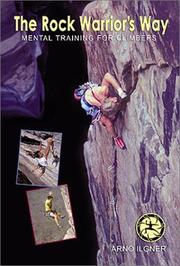
The definitive book on climbing psychology — fear of falling, attention control, and warrior mindset; it addresses the mental ceiling that stops most climbers from performing at their physical limit.
MacLeod synthesizes movement, training, and mental errors into a brutally honest performance guide; read last because it assumes broad experience and challenges you to audit every aspect of your climbing holistically.
Discussion
Keep reading
Paths that share books, cover the same subject, or open a related topic.