Books for Reluctant Readers: What to Hand Them First, and What Comes Next
This is the one ladder here not indexed by age. It is indexed by resistance, and it is built on a single assumption: a child who says they hate reading has almost always been given books that were too long, too worthy, or too slow, and the fix is not a lower reading level but a lower cost of entry. The stages start where the resistance is lowest — comics and half-comics that a reluctant reader will finish because the pages turn themselves — then move to graphic novels with real substance, then to the first books with no pictures at all, and end with the book they finish because they wanted to. Two things worth saying plainly: reading age and interest age come apart most severely here, so never hand a resistant eleven-year-old a book that looks like it is for seven-year-olds; and comics and audiobooks are reading, so do not treat this stage as something to get past.
Where the resistance is lowest
BeginnerGet a whole book finished — the single most important event in turning a reluctant reader around, regardless of what the book is.
▸ Study plan for this stage
Pace: Two to four weeks for all four books, and the calendar matters less than the gaps between them. Dog Man and The Bad Guys are each a single sitting — twenty to forty minutes for a child who is genuinely reading every panel. Diary of a Wimpy Kid takes two or three sittings, Tom Gates about the same. T
- Finishing is the event. A completed Dog Man is worth more to a resistant reader than a half-read novel of any quality, because the thing being rebuilt is the belief that books end
- Pictures carrying plot: in Dog Man nobody can get stuck, because the story is legible from the panels even when a word is skipped. That is the property being exploited, not a shortcoming to tolerate
- The Bad Guys' page economics — huge type, wide margins, dialogue-only spreads — meaning a chapter takes about four minutes and a child can see the end of it from the start
- Dav Pilkey wrote Dog Man out of his own experience as a child who could not sit still or spell; the deliberately terrible spelling in the Dog Man books is a joke made by someone who was told his spelling was a problem
- The bridge format in Wimpy Kid and Tom Gates: handwritten-looking prose interrupted by a cartoon every few lines, so the page never looks like a wall of text. This is where most readers cross from pictures to prose without noticing
- Reading age and interest age come apart hardest here. A resistant eleven-year-old must not be handed something that looks like it is for seven-year-olds — the format has to be plausible for their age even when the text is easy
- Comics are reading. This stage is not a waiting room to be got past, and treating it as one is the fastest way to reintroduce the resistance
- Which of the four did they actually finish fastest, and what was different about it — the format, the humour, the length of a chapter?
- Did they read the panels or skim the pictures for plot? Both are fine at this stage; knowing which tells you whether Wimpy Kid will land yet.
- Did Wimpy Kid feel like a comic or like a book to them? The answer predicts how much runway you have before the third stage.
- What made them laugh out loud? Note the specific joke. Humour preference is the most reliable guide you have to what to hand them next.
- Was there a point in any of these where they stopped and put it down? If so, what was on the page — a longer paragraph, a scene without pictures, a joke that missed?
- Read the first chapter of Dog Man yourself, at the speed a child would read it. It takes four minutes and it is the fastest way to stop thinking of this stage as a compromise.
- Time one chapter of The Bad Guys with a clock. Then say the number out loud to the child. A four-minute chapter is a fact that can be argued with; a vague 'it's short' is not.
- Open Diary of a Wimpy Kid and count the number of lines of unbroken text on the longest page. Do the same for a conventional novel of the same age band. The difference is the entire design of the book and it is worth seeing rather than assuming.
- Have all four books in the house before book one is finished. This is the single most effective action in the whole stage and it takes one trip to a library.
- Write down the date they finished their first book. You will want it later; the distance between that date and the date they finish Hatchet is the thing this path is actually measuring.
Next up: Once finishing a book has stopped being remarkable, the format can stay easy while the content gets heavier — which is exactly what the next three books do.
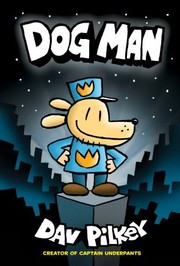
A comic told in short panels with deliberately terrible spelling jokes, written by a dyslexic author who was himself the child this path is for. It is the most reliable first book on the list because the pictures carry the plot and nobody can get stuck.
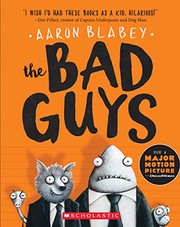
Huge type, wide margins, and dialogue-only pages, so a chapter takes about four minutes. Read it second: the point is to finish a second book quickly enough that finishing starts feeling normal.
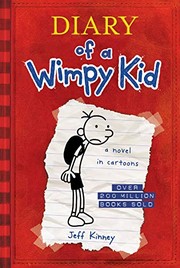
The bridge format — handwritten prose broken every few lines by a cartoon, so it looks like a comic and is actually a novel. Most reluctant readers cross from pictures to text on this book without noticing they have done it.
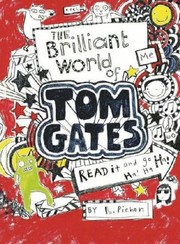
The same doodled-diary trick with a British voice and even more visual chaos on the page. Include it because a reluctant reader who liked Wimpy Kid needs the next one to exist immediately, and the gap is where the habit dies.
Graphic novels with something real in them
BeginnerMove from funny comics to comics that make an argument — proving that the easy format is not the same as an empty book.
▸ Study plan for this stage
Pace: Three to four weeks. El Deafo and New Kid are each around 250 pages of comic and go down in two or three sittings apiece, so allow a week each with room to reread — both are books children go back through, and rereading is a signal worth encouraging rather than redirecting. Revolting Rhymes is 47 pa
- That an easy format is not an empty book — this stage exists to prove it to the child and to any adult around them who thinks comics do not count
- El Deafo's central device: Cece Bell draws herself and everyone else with rabbit ears, so the hearing aid and the deafness are visible on every page without a word of explanation
- The Phonic Ear as a superpower rather than an affliction, and what the book gains by refusing the obvious framing
- New Kid's accumulation method: Jordan is mistaken for the other Black students all year, and Jerry Craft builds the argument out of repeated small incidents rather than one big one
- New Kid won the Newbery Medal, the first graphic novel to do so. This is a usable fact in an argument with anyone in the child's life who says comics are not reading
- Having something to say afterwards, which is the new skill this stage unlocks — these are the first two books on the path a child will want to talk about
- Poetry as the shortest complete unit of text there is. A Roald Dahl retelling is four or five pages, has an ending, and is finished — which is a much better fit for a resistant reader than anyone expects
- Dahl's rude endings do the same work here that Pilkey's spelling jokes did in the first stage: they signal that this book is not trying to improve you
- In El Deafo, what does the rabbit-ear drawing choice do that a straightforward drawing of a girl with a hearing aid could not?
- Cece Bell shows other people getting it wrong about her deafness in several different ways. Can they name two, and say how the wrongness differs?
- In New Kid, what is the effect of the mix-ups happening again and again rather than once? What would be lost if Craft had used a single dramatic incident instead?
- Both books are about being the only one of something in a room. Are they making the same point? Where do they differ?
- Which Revolting Rhymes ending surprised them most, and did they see it coming? Dahl telegraphs some and hides others, and noticing the difference is a genuine reading skill.
- Ask them directly: was New Kid a real book? The answer tells you what they currently believe about the format, which is the thing this stage is built to change.
- Read one Revolting Rhymes poem aloud to them, then have them read the next one aloud to you. Verse is the easiest text to read aloud badly and still enjoy, which is why it is here.
- After El Deafo, ask for three sentences on what they would have done in Cece's place. Three sentences, not an essay — the goal is to establish that a book can be talked about, not to set homework.
- Point out the Newbery Medal on the cover of New Kid and say what it is. If anyone in their life has told them comics do not count, this is the moment to settle it with an object rather than an argument.
- Have them find the funniest panel in New Kid and the saddest one, and mark both with a scrap of paper. Locating two different registers in the same book is the first piece of literary analysis on this path and it does not feel like one.
- Reread El Deafo yourself and count how many pages have no words at all. It is more than you think, and it is a useful corrective if you are worried that this stage is not enough text.
Next up: They can now finish a long book, hold an argument in their head across 250 pages, and say something about it afterwards — which is everything a plain prose novel requires except the pictures.
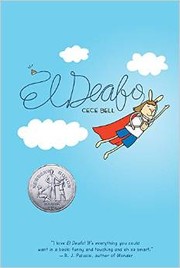
A graphic memoir about losing her hearing and wearing a hulking hearing aid to school, drawn with rabbit ears. It reads as fast as Dog Man and leaves a reluctant reader with something to say about it afterwards, which is the next thing to unlock.

A Black seventh-grader is bussed to an almost entirely white private school and spends the year being mistaken for other students. The first graphic novel to win the Newbery Medal — useful ammunition against anyone in the child's life saying comics do not count.
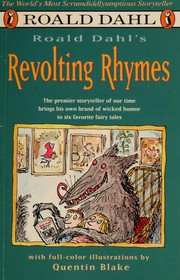
Fairy tales retold in verse, with rude endings, at four or five pages each. Poetry is the shortest possible unit of a finished text, which makes it a much better fit for a resistant reader than anyone expects.
The first book with no pictures
BeginnerFinish a plain prose novel, chosen so the pace does the work that illustrations were doing before.
▸ Study plan for this stage
Pace: Six to ten weeks, and this is where the path can stall, so pace it generously. Stormbreaker is around 230 pages and should be read in short daily bursts — one or two chapters at a time, because the cliffhangers only work at that rhythm. Skulduggery Pleasant is longer at nearly 370 pages but reads fa
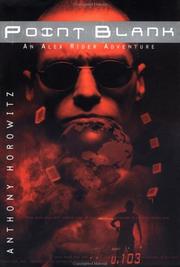
- The chapter-ending cliffhanger as engineering: Anthony Horowitz ends chapters mid-crisis so that the page turns before the reader has decided to turn it. Stormbreaker is on this path for its construction as much as its content
- Alex Rider's competence — the character is good at things, and a reluctant reader is far more likely to stay with a protagonist who is winning than one who is learning
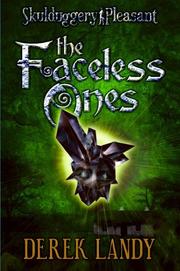
- Dialogue as the easiest prose there is. Skulduggery Pleasant is mostly people talking, which means short lines, lots of white space, and a page that never looks solid
- Derek Landy's jokes doing the work the pictures used to do: they arrive every few lines and give the reader a small reward at a comic's frequency rather than a novel's
- Hoot as the first book on the path with a point beyond its plot — the owls, the pancake-house site, and a set of kids deciding to do something about it
- Carl Hiaasen writes comic crime novels for adults and does not pad; Hoot's argument arrives well before a reluctant reader's patience runs out, which is why it can afford to have one
- The stall risk is real and specific: the first plain-prose book is where children on this path most often stop. A backward step to an easier book is a recovery, not a failure
- Page count is now less important than pace. Skulduggery Pleasant is the longest book so far and will almost certainly be the fastest read
- How many chapters of Stormbreaker end at a moment of danger? Have them check a few — noticing the machinery does not spoil it and it teaches something true about how books are built.
- Skulduggery Pleasant is longer than Stormbreaker. Did it feel longer? If not, what on the page made the difference?
- Which did they prefer, the spy or the skeleton, and was it the plot or the voice? This is the first time on the path the answer might be voice, which is a real change.
- In Hoot, what do the kids actually want, and what are they willing to do to get it? The book is comic, but the goal is serious and stated plainly.
- Did they notice Hoot has a point? Did they mind? Some readers at this stage feel a book with a message is a book trying to improve them, and it is useful to know if that is happening.
- Which book would they hand to a friend who says they hate reading? Their answer will be better informed than most adults' and it is worth asking.
- Read the last page of a Stormbreaker chapter and stop. Actually stop, mid-crisis, and put the book down. The physical difficulty of doing that is the point, and it demonstrates the engineering better than any explanation.
- In Skulduggery Pleasant, have them open to a random page and count the lines that are dialogue. It will usually be most of them, and it is a concrete answer to why this 368-page book felt shorter than the 234-page one.
- Keep the visible bookmark. A physical bookmark moving through a plain prose novel is a progress bar, and progress that can be seen is the thing that was missing when the pictures went away.
- If they stall, do not push — hand them another Bad Guys or Tom Gates the same day and come back to prose in a fortnight. Write down where they stalled and on what kind of page; that information is worth more than the lost week.
- After Hoot, ask for one thing in the book they would argue with. Any answer counts. Disagreeing with a book is the last skill this stage has to offer and the first sign that the final one will work.
Next up: A reader who has finished three novels with no pictures, one of them with an argument in it, no longer needs a book engineered to keep them turning pages — which is the only condition Hatchet requires.
A teenage spy thriller with a chapter-ending cliffhanger almost every time, engineered so the reader turns the page before deciding to. This is the standard first no-pictures book for this path and it works because it never slows down.

A skeleton detective and a twelve-year-old girl, told almost entirely in fast, funny dialogue — which is the easiest kind of prose to read and the hardest to put down. Read it after Stormbreaker, when a plain page of text has stopped being intimidating.
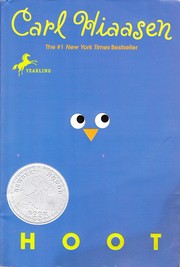
Middle-schoolers sabotaging a pancake-house development to save burrowing owls, written by a comic crime novelist who does not pad. It is the first book here with a point beyond the plot, and it is short enough that the point arrives before patience runs out.
The one they finish because they wanted to
IntermediateRead a genuinely serious novel voluntarily — the moment the label 'reluctant reader' stops being true.
▸ Study plan for this stage
Pace: One to three weeks, and this stage has one instruction: hand it over and get out of the way. Hatchet is under 200 pages with short chapters and blunt short sentences, and readers who reach it in the right state routinely finish it in a few sittings. Do not set a schedule, do not ask how far they hav
- One problem per chapter — food, fire, shelter, water, the plane — which means the book has the same structural clarity as a comic while containing no pictures at all
- Gary Paulsen's sentences: short, declarative, almost no subordinate clauses. The prose is genuinely easy while the situation is genuinely serious, which is the combination the whole path has been building toward
- No subplot. There is nothing to lose track of, nobody to keep straight, and no second storyline to cut away to — the single most common reason a reluctant reader loses a novel is removed by design
- Brian's competence being earned rather than given. Unlike Alex Rider he starts useless, and the reader is present for every small skill he acquires
- The secret Brian is carrying, which gives the survival story an interior line and is why the book is remembered as more than an adventure
- That Hatchet is the book reluctant readers most often name years later as the first one they actually loved — this stage is not about difficulty, it is about ownership
- The label coming off: a child who finishes a serious novel because they wanted to is not a reluctant reader, whatever their reading level says
- What happens next matters more than what happened here — the first genuinely voluntary book should be followed by a choice they make, not another rung someone else picked
- What does Brian learn to do first, and how many attempts does it take him? The book counts the failures deliberately.
- What is the secret, and how does it change what the survival story is about?
- Compare Brian with Alex Rider from the previous stage. Which one did they find easier to be inside, and why?
- Hatchet has no jokes, no pictures and no cliffhangers of the Stormbreaker kind. What is keeping them reading instead?
- Ask, once they have finished: was that a hard book? The answer is almost always no, and hearing themselves say it is worth more than anything an adult could tell them.
- What do they want to read next? Whatever they say, that is the right answer — including another comic.
- Hand it over with no framing at all. No this-is-a-classic, no this-one-is-a-step-up. The books in the earlier stages could survive being introduced; this one is better without it.
- Read the fire chapter yourself. It is a few pages, it is the best thing in the book, and it will tell you why this title and not another one closes the path.
- After they finish, go back to the date you wrote down in the first stage — the day they finished their first book — and put today's date beside it. Show them both. The elapsed time is usually a few months and it is a genuinely surprising number.
- Do not immediately produce the sequel. Wait for them to ask, or let them pick the next book unprompted. The whole point of this stage is that the choice moved.
- Write down the one book on this path they liked best, and hand that author's next title to the next resistant reader you meet. The ladder is general; the rung that works is personal.
Next up: This is the end of the path. There is no next rung by design — the reader now chooses, and the most useful thing an adult can do is keep the choices within reach and stop steering.

A boy survives a plane crash and then fifty-four days alone in the Canadian bush with a hatchet. Short, blunt sentences, one problem per chapter — food, fire, shelter — and no subplot to lose. It is the book reluctant readers most often name years later as the first one they actually loved.
Discussion
Keep reading
Paths that share books, cover the same subject, or open a related topic.