Best Books on Audiobook Narration and Voice Work
This curriculum takes a complete beginner from the physical and technical fundamentals of voice and audio all the way through to running a professional audiobook narration business. Each stage builds on the last: you must understand your instrument before you can set up a studio, master character work before you can market a finished product, and have a body of work before you can scale a career.
Foundations: Voice, Breath & the Spoken Word
BeginnerUnderstand how the voice works as a physical instrument, develop breath support and stamina, and build the core habits that prevent injury during long narration sessions.
▸ Study plan for this stage
Pace: 4–5 weeks, ~25–30 pages/day, with 3–4 days per week dedicated to vocal exercises and breathing practice
- The voice as a physical instrument: anatomy of the larynx, vocal cords, resonance chambers, and how they work together to produce sound
- Breath support and diaphragmatic breathing: the foundation for sustained narration without vocal strain or fatigue
- Posture and alignment: how body position directly affects vocal quality, breath capacity, and long-term vocal health
- Vocal warm-ups and cool-downs: essential routines to prepare the voice for narration work and prevent injury
- Resonance and tone production: how to use your natural resonators (chest, throat, head) to achieve clarity and richness without forcing
- Stamina building: progressive exercises to extend your narration endurance and maintain vocal consistency over hours of work
- Common vocal habits and tension patterns: identifying and releasing unnecessary tension that leads to fatigue and injury
- The connection between emotional intention and vocal delivery: how mental focus and character understanding shape breath and tone
- Explain how the diaphragm works and why diaphragmatic breathing is essential for audiobook narration rather than shallow chest breathing
- What are the main anatomical structures involved in voice production, and how does understanding them help you avoid vocal injury?
- Describe the relationship between posture, breath support, and vocal quality—why can't you achieve good tone without proper alignment?
- What is resonance, and how do you use your natural resonators to produce a clear, rich voice without straining?
- What are the key differences between warming up your voice for narration versus speaking casually, and why does this matter for stamina?
- How do you identify tension in your voice and body, and what are three specific techniques to release it before or during a narration session?
- Daily diaphragmatic breathing practice (5–10 minutes): Lie on your back, place one hand on chest and one on belly, and practice breathing so only the belly hand moves. Progress to standing and then to breathing while reading aloud
- Vocal warm-up routine (10–15 minutes): Follow Alburger's and Love's recommended warm-ups daily—include lip trills, sirens, and gentle hums to awaken resonance without strain
- Posture alignment check: Record yourself reading a 2–3 minute passage while sitting slouched, then again while standing with proper alignment. Listen for differences in tone, clarity, and ease
- Stamina-building narration sessions: Start with 15-minute continuous narration sessions (weeks 1–2), progress to 30 minutes (weeks 3–4), then 45+ minutes (week 5), tracking any fatigue or tension
- Tension release body scan (5 minutes, 3–4x weekly): Systematically tense and release muscle groups (jaw, shoulders, neck, throat) while paying attention to how tension affects your voice
- Character voice exploration with breath awareness: Choose 3–4 distinct character voices from a sample audiobook passage and practice each while maintaining diaphragmatic breath support—notice how breath changes with character
Next up: Mastering these foundational vocal mechanics and breath habits equips you with the physical control and stamina to move into the next stage, where you'll apply this technical foundation to character development, emotional authenticity, and the interpretive choices that bring a story to life.

The single most comprehensive beginner text for voice performance; it establishes vocabulary around breath, resonance, pacing, and copy interpretation that every later book assumes you already know.
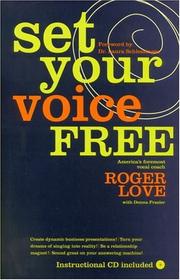
A vocal coach's practical guide to tone, range, and stamina — essential before long recording sessions — and pairs perfectly with Alburger by moving from performance theory to physical technique.
The Home Studio: Recording & Acoustics
BeginnerDesign, build, and operate a home recording space that meets ACX/publisher technical standards, choose the right microphone and interface, and produce clean, broadcast-quality audio.
▸ Study plan for this stage
Pace: 4–5 weeks, ~25–30 pages/day, with 2–3 days per week dedicated to hands-on setup and testing
- Acoustic fundamentals: how sound behaves in rooms, reflections, standing waves, and frequency response in small spaces
- Microphone types and polar patterns: dynamic vs. condenser mics, cardioid patterns, and how to match mic choice to voice narration
- Audio interfaces and signal flow: understanding preamps, gain staging, sample rates, bit depth, and how to route audio correctly
- Room treatment and isolation: practical acoustic panels, bass traps, and DIY solutions for reducing echo and background noise
- Recording chain optimization: microphone placement, pop filters, shock mounts, and cable management for clean signals
- ACX technical specifications: meeting loudness standards (LUFS), noise floor requirements, and file format/metadata requirements
- Monitoring and headphone setup: choosing appropriate headphones and setting up a monitoring chain for accurate listening
- What are the main acoustic problems in untreated home spaces, and how do standing waves and reflections affect voice recording?
- How do dynamic and condenser microphones differ, and which is typically better suited for audiobook narration and why?
- What is gain staging, and why is it critical to avoid clipping and maintain a clean signal throughout your recording chain?
- What are the ACX technical standards for loudness (LUFS), noise floor, and file format, and how do you verify your recordings meet them?
- How should you position a microphone relative to your mouth, and what role do pop filters and shock mounts play in reducing unwanted artifacts?
- What is the minimum viable room treatment for a home studio, and how would you prioritize acoustic improvements on a budget?
- Build a simple acoustic test: record the same sentence in an untreated room, then add blankets/foam to one corner and re-record to hear the difference in reflections and reverb
- Measure your room's background noise floor using your audio interface and free software (e.g., Audacity or RMS level meters); document the dB level and identify noise sources
- Set up a basic microphone placement test: record at 3–4 different distances and angles from your mouth (6 inches, 12 inches, off-axis) and compare proximity effect and tone
- Create a gain-staging checklist: practice setting input levels on your interface so peaks hit –6dB to –3dB without clipping, then verify in your DAW
- Design a room treatment plan for your space: sketch your room layout, identify first-reflection points, and list 3–5 acoustic improvements (panels, bass traps, blankets) with estimated costs
- Record a 2–3 minute sample chapter passage and analyze it in Audacity: measure loudness (LUFS), noise floor, and check for clicks, pops, or distortion; compare to ACX specs
- Assemble your complete recording chain end-to-end: microphone → pop filter → shock mount → XLR cable → audio interface → headphones, then do a full test recording and listen critically
Next up: This stage equips you with a professional-grade recording environment and the technical knowledge to capture clean audio; the next stage will focus on performance techniques, script interpretation, and the vocal skills needed to deliver engaging, emotionally resonant narration.
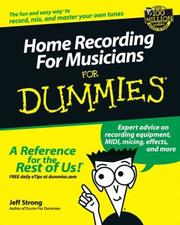
Demystifies acoustics, signal chain, DAWs, and file formats in plain language — the technical literacy you need before touching any audiobook-specific production advice.
Narration Craft: Interpretation, Pacing & Character Work
IntermediateDevelop nuanced text interpretation, master the non-fiction and fiction narration styles, and build a toolkit for voicing multiple distinct characters without losing clarity or consistency across hours of audio.
▸ Study plan for this stage
Pace: 4–5 weeks, ~25–30 pages/day with daily practice sessions
- The Meisner Technique as a foundation for authentic emotional expression and character truthfulness
- Objectives and intentions: how to identify and pursue what a character wants in each moment
- Emotional preparation and sense memory techniques to access genuine feelings without relying on external tricks
- Script analysis and script breakdown: finding subtext, beats, and character arcs within text
- Listening and reacting as core skills for maintaining character consistency and ensemble awareness
- Building a character from the inside out: psychology, motivation, and emotional logic rather than surface choices
- Practical application of acting principles to sustained narration across multiple characters and long-form audio
- The distinction between technique and authenticity: using craft to serve truthfulness, not mask it
- How does the Meisner Technique differ from other acting approaches, and why is emotional authenticity central to narration craft?
- What is an objective or intention, and how do you identify and pursue one for a character or narrator in a scene?
- How can sense memory and emotional preparation help you access genuine feelings when voicing different characters?
- What is subtext, and how do you uncover it through script analysis to inform your narration choices?
- How do listening and reacting prevent character work from becoming mechanical or self-conscious?
- What are the key steps in breaking down a script, and how does this process support consistency across hours of audio narration?
- How do you build a character's psychology and emotional logic to make their voice and choices feel inevitable rather than arbitrary?
- Daily Meisner repetition exercise: practice the repetition game with a partner or recording to sharpen your ability to respond authentically in the moment
- Objective mapping: select a chapter from a fiction or non-fiction text and identify the narrator's or character's objective in each paragraph; write out what they want and why
- Sense memory work: choose three distinct characters and create a sense memory for each (a specific place, temperature, texture, sound) to anchor their emotional baseline
- Script breakdown: take a 10–15 page excerpt and mark all beats, subtext, emotional shifts, and character intentions; record yourself narrating it twice—once without the breakdown, once with it—and compare
- Character voice journal: narrate the same passage in three different character voices, recording each; listen back and identify which voice choices came from authentic emotional logic versus surface mannerism
- Listening and reacting drill: record yourself narrating dialogue between two characters, then re-record focusing only on how each character listens and reacts to the other before speaking
- Long-form consistency test: narrate 20–30 pages of a multi-character text over several days, then listen back to ensure each character's voice, emotional tone, and objectives remain consistent across sessions
Next up: This stage equips you with the psychological and emotional toolkit to make character choices feel inevitable and authentic; the next stage will apply these principles to the specific technical and performance demands of professional audiobook narration, including pacing, production clarity, and sustained vocal control.

The Practical Handbook's action-based acting method is the secret weapon of top audiobook narrators for making every character's motivation feel lived-in and distinct, even when you never leave the booth.
Business & Career: ACX, Marketing & Sustainability
ExpertNavigate the audiobook marketplace (ACX, Findaway, independent publishers), price and negotiate projects, build a sustainable client pipeline, and treat narration as a long-term professional business.
▸ Study plan for this stage
Pace: 4–5 weeks, ~25–30 pages/day, with 2–3 days per week dedicated to marketplace research and business planning exercises
- ACX platform mechanics: royalty-share vs. paid-per-finished-hour models, contract negotiation, and rights management
- Voice acting as a sustainable business: pricing strategies, rate-setting for different project types, and avoiding underpricing
- Building a professional narration portfolio and brand identity that attracts repeat clients
- Client pipeline development: networking, marketing your services, and maintaining long-term relationships
- Diversifying income streams beyond ACX: Findaway Voices, independent publishers, and direct client acquisition
- Professional standards in narration: meeting technical requirements, delivery timelines, and quality benchmarks that build reputation
- Contract literacy: understanding terms, royalties, exclusivity clauses, and protecting your work as an independent contractor
- What are the key differences between royalty-share and paid-per-finished-hour contracts on ACX, and when should you choose each model?
- How do you calculate a sustainable hourly rate for narration work, and what factors should influence your pricing decisions?
- What strategies can you use to build a professional narration brand and attract repeat clients or direct publishers?
- How does Findaway Voices differ from ACX, and what advantages does it offer for diversifying your audiobook narration income?
- What are the essential elements of a narration contract you should review before accepting a project?
- How can you develop and maintain a sustainable client pipeline to ensure consistent work as a professional narrator?
- Analyze 5–10 ACX project postings in your genre: document their word counts, royalty splits offered, and rights terms; calculate what your hourly rate would be under each scenario
- Create a pricing worksheet for yourself: establish your minimum hourly rate, calculate per-finished-hour costs for different project types, and set tiered pricing for royalty-share vs. paid projects
- Draft a professional narrator bio and marketing pitch (150–200 words) that highlights your unique voice, experience, and the types of projects you target; test it with 2–3 peers or mentors
- Research and compare ACX, Findaway Voices, and 2–3 independent publisher submission guidelines; create a matrix of their requirements, payment models, and exclusivity terms
- Negotiate a mock contract: take a real ACX or publisher project posting and draft a counter-offer with adjusted rates, timeline, or rights terms; document your reasoning
- Develop a 90-day client pipeline plan: identify 10–15 potential publishers, ACX authors, or direct clients; outline your outreach strategy and follow-up schedule
Next up: This stage equips you with the business acumen and marketplace navigation skills to operate narration as a sustainable profession; the next stage will deepen your technical mastery and artistic interpretation, enabling you to deliver the premium-quality work that justifies premium rates and builds long-term client loyalty.

Closes the curriculum by zooming out to the full voice-over industry context — contracts, agents, unions, and diversifying income beyond audiobooks — giving narrators a map for long-term career growth.
Discussion
Keep reading
Paths that share books, cover the same subject, or open a related topic.