The Best Books on Antiques and Collecting
This curriculum takes a complete beginner from zero knowledge of antiques and collectibles all the way to buying, selling, and appraising like a seasoned dealer. The stages build deliberately: first you learn to see and speak the language of antiques, then you develop hands-on identification and valuation skills, and finally you master the marketplace strategies used by professional collectors and dealers.
Foundations: The World of Antiques
BeginnerUnderstand what antiques and collectibles are, develop an eye for quality and age, and build the core vocabulary needed to talk and think like a collector.
▸ Study plan for this stage
Pace: 4–5 weeks, ~25–30 pages/day. Start with "Antiques Roadshow Primer" (weeks 1–2.5), then move to "Miller's Concise Antiques Handbook" (weeks 2.5–5) to deepen knowledge with practical reference material.
- Definition and distinction between antiques (100+ years old), collectibles, and vintage items—understanding legal and market definitions
- How to assess age, authenticity, and condition through materials, construction methods, maker's marks, and provenance
- Core furniture styles, periods, and design movements (Georgian, Victorian, Art Deco, etc.) and how to identify them visually
- Ceramics, glass, and metalware categories: how to recognize quality, spot reproductions, and understand value drivers
- The role of rarity, demand, condition, and provenance in determining an item's collectibility and market value
- Collector's vocabulary: patina, restoration, reproduction, hallmarks, signatures, and other essential terms used in the trade
- How to use price guides and reference materials to research items and understand market trends
- What is the legal definition of an antique, and how does it differ from a collectible or vintage item?
- How would you identify the age and period of a piece of furniture using visual clues like joinery, wood type, and style elements?
- What are the key differences between authentic pieces, reproductions, and restored items, and how do these affect value?
- How do you read and interpret maker's marks, hallmarks, and signatures to authenticate ceramics, glass, and metalware?
- What factors (rarity, condition, provenance, demand) most significantly influence an antique's market value and collectibility?
- How would you use Miller's price guide and other references to research an unfamiliar item and estimate its value range?
- Visit a local antique shop, flea market, or estate sale and select 3–5 items; use the Primer's identification framework to determine their likely age, style period, and category
- Create a visual reference sheet for 5 major furniture styles (e.g., Queen Anne, Victorian, Art Deco) with sketches or photos of key design features from the Primer
- Practice reading maker's marks and hallmarks: photograph or sketch 10 marks from ceramics, glass, or silver items and use Miller's handbook to identify makers and periods
- Compare an authentic piece with a reproduction (online or in person) and document the specific differences in materials, construction, and finish that reveal authenticity
- Select one item category (e.g., Wedgwood pottery, Depression glass, or mahogany tables) and research 5–8 examples using Miller's price guide; create a chart showing how condition and rarity affect price
- Write a 1-page 'condition report' on a single antique using proper collector's vocabulary (patina, restoration, provenance, etc.) from both books
Next up: This foundation equips you with the visual literacy, vocabulary, and research skills to confidently identify and evaluate antiques, preparing you to specialize in specific categories (furniture, ceramics, decorative arts, etc.) and develop deeper expertise in valuation and collecting strategy.
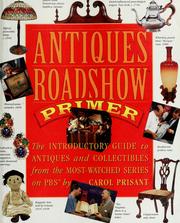
Written by a longtime Antiques Roadshow appraiser, this is the single best entry point for absolute beginners — it covers furniture, ceramics, silver, glass, and more in plain language, teaching you what to look for and why it matters.

The industry-standard illustrated reference, read here second so you can apply Prisant's vocabulary to thousands of real objects with photos, dates, and current market values — an essential visual dictionary.
Developing Your Eye: Identification & Authentication
BeginnerLearn to identify styles, periods, and makers; spot fakes and reproductions; and understand how condition and provenance affect value.
▸ Study plan for this stage
Pace: 4–5 weeks, ~20–25 pages/day, with 2–3 days per week dedicated to hands-on identification practice
- How to use price guides as identification and valuation tools, including understanding maker's marks, signatures, and hallmarks
- Recognition of major antique styles and periods (Victorian, Art Deco, Mid-Century Modern, etc.) and their distinguishing visual characteristics
- Techniques for spotting reproductions, fakes, and later copies through material analysis, construction methods, and wear patterns
- The role of condition assessment in determining authenticity and value, including patina, damage, repairs, and restoration
- Understanding provenance documentation and how ownership history affects collector value and authenticity verification
- How to research and cross-reference items using price guides, maker databases, and comparative market data
- The relationship between rarity, demand, and market value in the antiques and collectibles market
- What are the key visual and material characteristics that distinguish authentic pieces from different periods (e.g., Victorian vs. Art Deco)?
- How do you identify maker's marks, signatures, and hallmarks, and what information can they reveal about authenticity and origin?
- What are common red flags that indicate a piece is a reproduction, fake, or later copy rather than an authentic antique?
- How does condition—including patina, wear, repairs, and restoration—affect both the authenticity assessment and market value of an antique?
- What role does provenance play in authentication, and what documentation should you seek to verify ownership history?
- How do you use a price guide like Kovels' to research comparable sales and establish realistic market values for items you're evaluating?
- Create a visual reference guide by photographing or collecting images of 5–10 items across different periods (Victorian, Art Deco, Mid-Century Modern) from the Kovels' guide, noting their distinguishing style features and maker's marks
- Visit a local antique shop, estate sale, or museum with the Kovels' guide in hand; select 3–5 items and attempt to identify their period, maker, and approximate value before checking the guide
- Examine 3 pairs of authentic vs. reproduction items (online or in person) and document the specific differences in materials, construction, wear patterns, and patina that reveal authenticity
- Research the provenance of one antique item you own or have access to by gathering documentation (receipts, certificates, auction catalogs, family records) and writing a brief provenance report
- Practice identifying maker's marks and signatures by studying 10–15 examples in the Kovels' guide and then attempting to match unmarked items to makers using visual characteristics alone
- Conduct a condition assessment of 3 antique items, documenting damage, repairs, restoration work, and original patina, then compare your assessment to listed values in the Kovels' guide to understand how condition affects price
Next up: Mastering identification and authentication skills prepares you to move into the next stage—evaluating market trends, building a strategic collection, and understanding investment potential—because you can now confidently assess what you're buying and why it holds value.
Before spending money, you must know what can fool you. Chervenka is the foremost authority on reproductions and fakes, and this book trains your eye to detect them across dozens of categories.
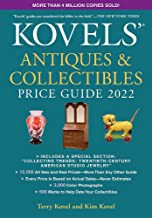
The most widely used annual price guide in North America; reading it at this stage teaches you to cross-reference categories, understand price ranges, and see how condition grades shift value dramatically.
Going Deeper: Specialty Knowledge
IntermediateGain expert-level knowledge in the highest-value and most commonly encountered antique categories: furniture, ceramics, and decorative arts.
▸ Study plan for this stage
Pace: 8–10 weeks, ~40–50 pages/day (Butler first: 2–3 weeks; Warman's second: 5–7 weeks, with concurrent reference work)
- American furniture styles and periods (Colonial, Federal, Victorian, Arts & Crafts, etc.) and their defining characteristics, construction methods, and regional variations
- Wood types, joinery techniques, and hardware as markers of authenticity, age, and value in antique furniture
- How to identify maker's marks, signatures, and labels to attribute furniture to specific craftspeople or manufacturers
- Price determination factors: condition, provenance, rarity, market demand, and regional desirability in the antiques market
- Systematic evaluation methodology: how to examine, date, and assess antique furniture and decorative arts using visual inspection and comparative research
- The structure and use of comprehensive price guides as reference tools for valuation, market trends, and category-specific knowledge
- Ceramics and decorative arts categories (porcelain, pottery, glass, metalwork) and how to recognize quality, origin, and period
- Documentation practices: photographing, cataloging, and recording provenance to support authentication and valuation claims
- What are the key visual and construction differences between Colonial, Federal, and Victorian American furniture, and how would you date a piece based on these characteristics?
- How do wood type, joinery method, and hardware help you authenticate an antique piece and determine its approximate age and maker?
- What information would you extract from a maker's mark or label, and how would you use that to research and attribute a piece?
- Using Warman's Price Guide, how would you determine the current market value of a specific antique, and what factors would cause the same piece to vary significantly in price?
- Walk through your systematic process for examining an unfamiliar antique: what do you look for first, what questions guide your research, and how do you document your findings?
- How do ceramics and decorative arts fit into the broader antiques market, and what are the primary categories and value drivers in these areas?
- Read Butler's Field Guide systematically, creating a visual reference chart for each major American furniture period (style name, approximate dates, key characteristics, typical woods, construction methods, and regional variations)
- Visit 3–5 antique shops or estate sales and physically examine furniture pieces; for each, attempt to identify the style period, construction methods, and approximate age using Butler's guide, then research maker's marks or labels
- Select 10 antique furniture pieces (from shops, online listings, or museum collections) and use Warman's Price Guide to research comparable sales; document the asking/sold prices and identify the factors that explain price variations
- Create a detailed condition assessment template and apply it to 5 pieces: photograph from multiple angles, note wood type, joinery, hardware, wear patterns, repairs, and provenance; write a 1-page evaluation for each
- Practice maker's mark research: find 5 pieces with signatures, labels, or stamps and trace them through online databases, museum collections, and price guides to establish maker identity and market value
- Compile a personal reference library: photograph or scan key pages from both books (style charts, price comparisons, category overviews) and organize them by furniture type and period for quick field reference
Next up: This stage equips you with deep knowledge of the highest-value antique categories and a systematic methodology for evaluation and valuation, preparing you to specialize further in niche markets, develop a personal collection strategy, or begin professional appraisal and dealing work.
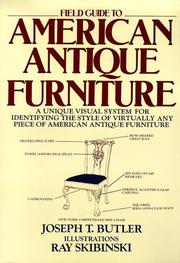
Furniture is the backbone of most antique markets; this field guide teaches period styles, construction techniques, and regional differences that separate a $200 piece from a $20,000 one.
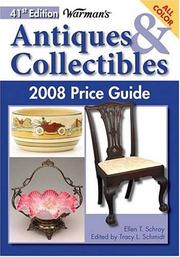
A comprehensive category-by-category deep dive used by dealers and auction house staff — reading it here consolidates your specialty knowledge across ceramics, glass, toys, jewelry, and more into a single professional reference.
Expert Level: Appraisal, Investment & the Long Game
ExpertThink and operate like a professional appraiser and collector — understand formal valuation methodology, market cycles, and how to build a collection that appreciates over time.
▸ Study plan for this stage
Pace: 8–10 weeks, ~40–50 pages/day with 2–3 days per week for appraisal practice and market research
- Formal appraisal methodologies: cost, market, and income approaches and when to apply each
- Understanding the three types of value: appraised value, assessed value, and fair market value
- Documentation standards and the Uniform Standards of Professional Appraisal Practice (USPAP) framework
- Comparative market analysis (CMA) techniques for establishing baseline prices in antiques and collectibles
- Condition assessment, grading systems, and how physical state impacts valuation
- Market cycles, supply/demand dynamics, and how to identify emerging vs. declining categories
- Building a personal collection strategy aligned with investment goals and risk tolerance
- Record-keeping, provenance research, and authentication as foundational to defensible appraisals
- What are the three main appraisal approaches, and which is most appropriate for valuing a mid-19th-century furniture collection versus a contemporary art collection?
- How do you distinguish between appraised value, assessed value, and fair market value, and why does this distinction matter for insurance, tax, and resale purposes?
- What role does condition assessment and grading play in valuation, and how would you document condition changes over time?
- How do market cycles affect antique and collectible values, and what indicators would you monitor to time acquisitions and sales strategically?
- What documentation and provenance information is essential to support an appraisal, and how would you organize this for a collection of 50+ items?
- How would you build a collection strategy that balances personal enjoyment with investment appreciation potential?
- Conduct a comparative market analysis (CMA) on a specific antique category (e.g., Staffordshire pottery, mid-century modern chairs) by tracking 15–20 recent sales across auction houses, dealer listings, and online marketplaces; document pricing trends over 6 months
- Appraise three items from your own collection or a local antique shop using all three approaches (cost, market, income); write a 2–3 page formal appraisal report following USPAP guidelines
- Create a detailed condition assessment and photographic documentation protocol for a single item; photograph it from multiple angles, note wear patterns, repairs, and alterations; establish a baseline for future condition monitoring
- Interview a professional appraiser or collector in your area; ask about their valuation methodology, how they handle disputed valuations, and what mistakes they see collectors make
- Build a market-tracking spreadsheet for 2–3 antique categories you're interested in; record monthly prices from 5–10 sources (auctions, dealers, online); analyze and chart price movements over 6–12 months
- Develop a written collection strategy document (3–5 pages) that outlines your investment thesis, target categories, acquisition criteria, condition standards, and exit strategy for underperforming pieces
Next up: This stage equips you with the professional frameworks and analytical rigor to evaluate any antique or collectible with confidence; the next stage will likely deepen your expertise in specialized categories, advanced authentication techniques, or building institutional-level collections with sophisticated risk management strategies.

The standard training text used by professional appraisers; reading this elevates you from informed collector to someone who can formally assess and document value with confidence and credibility.
Discussion
Keep reading
Paths that share books, cover the same subject, or open a related topic.