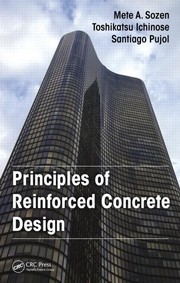
Principles of reinforced concrete design
Mete A. Sozen, Toshikatsu Ichinose, Santiago Pujol. · 2014 · 281 pages
As an Amazon Associate we earn from qualifying purchases. Some book links are affiliate links; you pay the same price and we may earn a small commission.
About this book
Encouraging creative uses of reinforced concrete, Principles of Reinforced Concrete Design draws a clear distinction between fundamentals and professional consensus. This text presents a mixture of fundamentals along with practical methods. It provides the fundamental concepts required for designing reinforced concrete (RC) structures, emphasizing principles based on mechanics, experience, and experimentation, while encouraging practitioners to consult their local building codes. The book presents design choices that fall in line with the boundaries defined by professional consensus (building codes), and provides reference material outlining the design criteria contained in building codes. It includes applications for both building and bridge structural design, and it is applicable worldwide, as it is not dependent upon any particular codes. Contains concise coverage that can be taught in one semester Underscores the fundamental principles of behavior Provides students with an understanding of the principles upon which codes are based Assists in navigating the labyrinth of ever-changing codes Fosters an inherent understanding of design The text also provides a brief history of reinforced concrete. While the initial attraction for using reinforced concrete in building construction has been attributed to its fire resistance, its increase in popularity was also due to the creativity of engineers who kept extending its limits of application. Along with height achievement, reinfor
Appears in these reading paths
Civil engineering reading path: from structures to the built environment
Related reading guides
Reader reviews
Ratings and notes from readers — tagged with how deep into the subject they were.
Loading reviews…