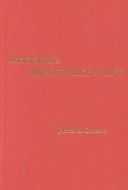
Adam Smith's Marketplace of Life
James R. Otteson · 2002 · 352 pages
As an Amazon Associate we earn from qualifying purchases. Some book links are affiliate links; you pay the same price and we may earn a small commission.
About this book
Publisher Description (unedited publisher data) Adam Smith wrote two books, one about economics and the other about morality. His Wealth of Nations argues for a largely free-market economy, while his Theory of Moral Sentiments argues that human morality develops out of a mutual sympathy that people seek with one another. How do these books go together? How do markets and morality mix? James Otteson provides a comprehensive examination and interpretation of Smith's moral theory and shows how his conception of the nature of morality applies to his understanding of markets, language and other social institutions. Considering Smith's notions of natural sympathy, the impartial spectator, human nature, and human conscience the author also addresses the issue of whether Smith thinks that moral judgments enjoy a transcendent sanction. James Otteson sees Smith's theory of morality as an institution that develops unintentionally but nevertheless in an orderly way according to a market model.
Appears in these reading paths

Understanding Adam Smith: The Best Books to Read, in Order
Related reading guides
Reader reviews
Ratings and notes from readers — tagged with how deep into the subject they were.
Loading reviews…