Romance is often underestimated by outsiders and is, in fact, one of the most demanding genres to write. It combines rigorous structural expectations — readers expect a specific emotional journey and a satisfying ending — with the hardest craft of all: making readers genuinely feel a relationship deepen. Get the beats without the emotion and the book is mechanical; get the emotion without the beats and it wanders. A reading order lets you master the feeling first, then the genre-specific structure, then the character and finishing craft that pull it together.
Best Books on Writing Romance, in Reading Order
July 14, 2026 · 2 min read
The emotional engine
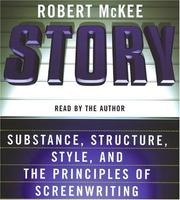
Begin with the craft of feeling and story. Story is Robert McKee's foundational study of structure, and romance is nothing if not structured desire and change. The Emotional Craft of Fiction by Donald Maass is essential here, because romance lives or dies on the reader's felt experience of longing and connection. These two establish that romance is real storytelling with a real emotional target.
Learning the genre
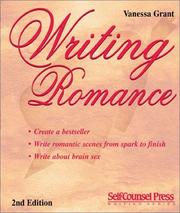
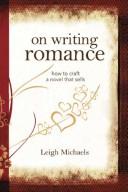
Now go inside the genre's own toolbox. Writing Romance by Vanessa Grant is a practical, working-author's overview of the form. On Writing Romance by Leigh Michaels focuses squarely on crafting a novel that sells, with attention to the market and its expectations. And Romancing the Beat by Gwen Hayes is the modern favorite — a clear, beat-by-beat structural map of the romance arc that many writers swear by. Together they teach you what romance readers are promised and how to deliver it.
Character, depth, and craft
With structure in hand, deepen the people at the center. The art of fiction by John Gardner keeps your prose and technique serious. Writing the Breakout Novel by Donald Maass pushes you to raise stakes, tension, and ambition beyond the formula. Dangerous Men & Adventurous Women, edited by Jayne Ann Krentz, is a fascinating collection of essays by romance writers defending and explaining the genre's appeal — invaluable perspective. And The complete writer's guide to heroes & heroines by Tami D. Cowden gives you archetype tools for building memorable romantic leads.
Finishing the book
Close with the craft of completion. On Writing by Stephen King supplies the discipline and practical habits to actually produce a draft, and Save the Cat! Writes a Novel by Jessica Brody offers a general beat structure that complements the romance-specific one, useful for keeping subplots and pacing tight to the end.
That is the sequence — emotion, genre structure, character, and finishing — each stage supporting the next. Follow the full path in order and you will write romance that both hits its beats and makes readers feel every one of them.
FAQ
- Does romance really need a happy ending?
- Genre romance promises an emotionally satisfying, optimistic ending — the reader's core expectation. Craft books like Romancing the Beat build the whole structure toward earning it, which is part of what makes the genre so demanding.
- Is romance easier to write than literary fiction?
- No. Romance combines strict structural expectations with the difficult craft of making readers feel a relationship deepen. Books like The Emotional Craft of Fiction exist precisely because that emotional work is hard.
Get the books
- 1StoryAmazon ↗Robert McKee
- 2Writing RomanceAmazon ↗Vanessa Grant
- 3On Writing Romance (How to craft a novel that sells)Amazon ↗Leigh Michaels
- 4Romancing the BeatAmazon ↗Gwen Hayes
- 5The art of fictionAmazon ↗John Gardner
- 6Writing the Breakout NovelAmazon ↗Donald Maass
As an Amazon Associate we earn from qualifying purchases. Some book links are affiliate links; you pay the same price and we may earn a small commission.
Follow the full reading path
Writing romance: an ordered reading path to the craft of the love story
Beginner10books58 hrs5 stages
@craftsherpa♥ 0
Ready to learn something deeply?
Build a reading path — free