Fiction is deceptively hard to teach because everything happens at once — a single good scene is simultaneously doing structure, character, dialogue, and prose rhythm. If you try to learn all of that from one book, you drown. The point of a reading order is to peel the craft into layers you can actually absorb: first the courage and voice to write, then how stories are shaped, then the fine tools of dialogue and technique, and finally the theory that ties it together. Read this way, each book deepens what the last one gave you.
Best Books on Writing Fiction, in Reading Order
July 14, 2026 · 2 min read
Permission and voice
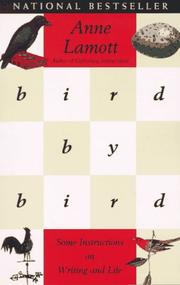
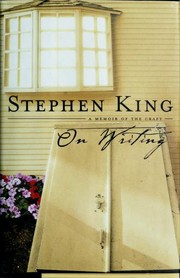
Begin with the books that get you writing honestly. Bird by Bird is Anne Lamott's disarming, generous guide to sitting down and producing bad first drafts without shame. On Writing pairs Stephen King's life story with hard-won, practical rules about verbs, adverbs, and daily discipline. These two lower the stakes and raise your output, which is exactly what a beginning fiction writer needs.
Shape and character
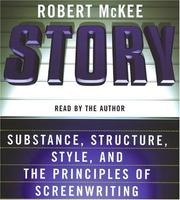
Once words are flowing, learn how they hang together. Story is Robert McKee's exacting study of structure and the principles beneath every satisfying narrative. The art of fiction by John Gardner turns to craft at the sentence and technique level, treating fiction as a serious art. And Dialogue, also by McKee, drills the single skill most beginners underestimate — how characters talk, and how talk carries subtext, conflict, and character all at once. Read these as a working set while you draft scenes.
The reader's experience and the wider form
Now go deeper into what fiction does to a reader. Writing Fiction by Janet Burroway is the comprehensive workshop text, methodical on point of view, setting, and scene construction. The Emotional Craft of Fiction by Donald Maass shifts the focus to feeling, arguing that a reader's emotional journey is the real target. Steering the Craft by Ursula K. Le Guin is a brief, brilliant workbook on the mechanics of prose — sentence sound, rhythm, and grammar as expressive tools. Together they move you from telling a story competently to making one land.
The long view
Close with two books that widen the horizon. The Art of the Short Story by Dana Gioia gathers classic stories with craft commentary, a superb way to learn by reading masters closely. And Aspects of the novel by E. M. Forster remains the elegant, timeless meditation on what novels are and how they work — plot, character, pattern, and rhythm — the kind of book you return to as your ambitions grow.
That is the sequence: permission, structure, technique, and theory, each earning the next. Follow the full path in order and the craft assembles itself layer by layer.
FAQ
- What is the difference between writing fiction and writing a novel?
- Fiction craft covers the underlying skills — scene, character, dialogue, prose — that apply to any story length. This path builds those foundations; a novel-specific path adds the structure and stamina of book-length work on top.
- Are short stories a good place to start?
- Yes. Short stories let you practice complete story arcs quickly, and studying them closely, as in The Art of the Short Story, teaches craft faster than wrestling a novel while you are still learning the basics.
Get the books
- 1Bird by BirdAmazon ↗Anne Lamott
- 2On WritingAmazon ↗Stephen King
- 3StoryAmazon ↗Robert McKee
- 4The art of fictionAmazon ↗John Gardner
- 5DialogueAmazon ↗Robert McKee
- 6Writing FictionAmazon ↗Janet Burroway
As an Amazon Associate we earn from qualifying purchases. Some book links are affiliate links; you pay the same price and we may earn a small commission.
Follow the full reading path
Writing fiction: an ordered path through the craft, from scene to story
Beginner9books80 hrs4 stages
@craftsherpa♥ 0
Ready to learn something deeply?
Build a reading path — free