Writing a novel is less a single skill than a sequence of very different jobs: finding the nerve to start, understanding structure, drafting through the swamp of the middle, and then the entirely separate craft of revision. Read the wrong book at the wrong stage and it can actually hurt — a deep structural treatise will paralyze a writer who just needs to get words down, and a loose "just write" pep talk will leave a finished draft shapeless. The value of an order is that it puts the right book in your hands at the right moment.
Best Books on Writing a Novel, in the Order That Finishes It
July 14, 2026 · 2 min read
Getting yourself to the page
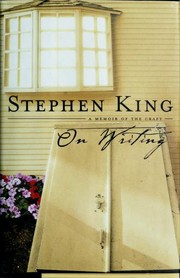
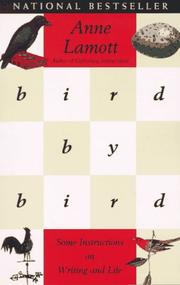
Start with the two books that lower the barrier to writing at all. On Writing is Stephen King's blend of memoir and blunt, practical advice, and it does more to demystify the daily work than any theory. Bird by Bird is Anne Lamott's warm, funny antidote to perfectionism, famous for its "shitty first drafts" permission slip. Together they get you writing, which is the only thing that matters at the beginning.
Understanding how stories work
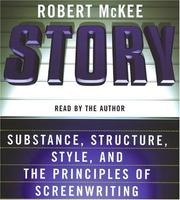
Once you are drafting, you need a map. Story is Robert McKee's rigorous, film-rooted anatomy of structure and its principles apply squarely to novels. Save the Cat! Writes a Novel translates that structural thinking into a beat-by-beat template many novelists find liberating rather than restrictive. Story genius by Lisa Cron reframes structure around the protagonist's internal change, arguing that the emotional engine drives plot — a crucial corrective if your outline feels mechanical. Read these while drafting, not before, so the theory has something to grab onto.
Deepening the craft
With a structure in hand, sharpen the sentences and scenes. The art of fiction is John Gardner's classic on craft at the level of prose and technique. Writing Fiction by Janet Burroway is the standard workshop text, thorough on character, scene, and point of view. And The Emotional Craft of Fiction by Donald Maass focuses on the reader's felt experience, the thing that separates competent pages from moving ones. These are the books that turn a working draft into good writing.
Finishing and fixing
Two books close the loop. No plot? No problem! by Chris Baty, born of NaNoWriMo, is pure momentum — a plan for barreling through a full draft on deadline, which is how many novels actually get completed. Then the work shifts entirely: Revision and Self Editing for Publication by James Scott Bell treats revision as its own discipline, and Several short sentences about writing by Verlyn Klinkenborg rewires how you see the sentence itself, ideal for a final polish.
That is the arc — permission, structure, depth, and revision, each in its place. Follow the full path in order and it is built to end with a finished book, not another abandoned file.
FAQ
- Should I read craft books before I start writing?
- Read just enough to begin, then read alongside drafting. Momentum books like Bird by Bird and On Writing get you started; structural books like Save the Cat! Writes a Novel make more sense once you have pages to apply them to.
- Do I need to outline my novel first?
- It depends on your temperament. Structure-focused books offer a plan for outliners, while momentum-focused ones like No plot? No problem! suit writers who discover the story by drafting. The path includes both so you can find your method.
Get the books
- 1On WritingAmazon ↗Stephen King
- 2Bird by BirdAmazon ↗Anne Lamott
- 3StoryAmazon ↗Robert McKee
- 4Save the Cat! Writes a NovelAmazon ↗Jessica Brody
- 5Story geniusAmazon ↗Lisa Cron
- 6The art of fictionAmazon ↗John Gardner
As an Amazon Associate we earn from qualifying purchases. Some book links are affiliate links; you pay the same price and we may earn a small commission.
Follow the full reading path
Writing a novel: the best craft books, in the order that gets it finished
Beginner10books65 hrs4 stages
@craftsherpa♥ 0
Ready to learn something deeply?
Build a reading path — free