Writing fantasy and science fiction tempts newcomers into a trap: they pour months into maps, magic systems, and invented histories, then discover the story underneath does not work. Worldbuilding is the genre's joy, but it is the frosting, not the cake. The craft has to be built in the right order — solid storytelling first, then the speculative tools that make the genre sing, then the accumulated wisdom of writers who have wrestled with dragons and starships and lived to explain how. This path is arranged so you earn your worldbuilding rather than hide in it.
Best Books on Writing Fantasy and Science Fiction, in Order
July 14, 2026 · 2 min read
The story underneath
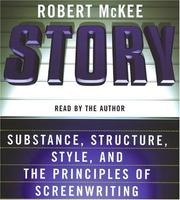
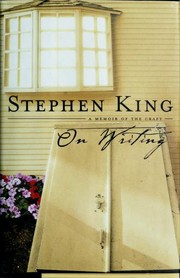
Start with fundamentals that apply to any genre. Story is Robert McKee's authoritative treatment of structure, and speculative epics need structure more than most. On Writing gives you Stephen King's practical, no-nonsense craft advice and the discipline to actually produce pages. The Emotional Craft of Fiction by Donald Maass grounds you in reader emotion, the thing that keeps invented worlds from feeling cold. Master these and your fantasy has a beating heart.
Building worlds and inventing wonder
Now the genre's signature craft. Cultures and Beyond: The Art of World Building by Randy Ellefson is a systematic guide to constructing believable societies, and Wonderbook by Jeff VanderMeer is the gorgeously illustrated, imaginative companion to creating speculative fiction of all kinds. For the fantasy-specific tools, Alchemy & Academe gathers stories and reflections curated by Anne McCaffrey, and Writing Magic by Gail Carson Levine offers approachable, practical guidance on inventing enchantment. Together they teach you to build worlds in service of story, not instead of it.
Structure, formula, and voice
With worlds taking shape, tighten the storytelling machinery. Save the Cat! Writes a Novel by Jessica Brody supplies a clear beat structure that keeps sprawling epics on track. Writing fiction for dummies by Randy Ingermanson is more useful than its title suggests, covering the whole process cleanly. The fantasy fiction formula by Deborah Chester distills genre plotting from a working author and editor, and Steering the Craft by Ursula K. Le Guin — a master of both fields — hones your sentences and prose sense. These keep invention disciplined.
Learning from the masters
Close with perspective. Billion year spree by Brian W. Aldiss is a sweeping history of science fiction that teaches by showing where the genre has been. And The language of the night, Le Guin's essays on fantasy and science fiction, is the wise, essential meditation on why these genres matter and how they work at their best. Reading them makes every earlier lesson deeper.
That is the arc: story, world, structure, and wisdom. Follow the full path in order and your worldbuilding finally serves a story worth telling.
FAQ
- Should I build my world before writing the story?
- Do enough to start, but not more. Story fundamentals come first, and worldbuilding guides like Cultures and Beyond work best once you know what your plot and characters actually need from the world.
- Do fantasy and science fiction need different craft?
- They share nearly all of it. Structure, character, and prose are the same; the genres differ mainly in the speculative element — magic versus technology — which is why this path covers general craft and worldbuilding together.
Get the books
- 1StoryAmazon ↗Robert McKee
- 2On WritingAmazon ↗Stephen King
- 3Cultures and Beyond : The Art of World BuildingAmazon ↗Randy Ellefson
- 4Amazon ↗
- 5ALCHEMY & ACADEMEAmazon ↗Anne McCaffrey
- 6Writing MagicAmazon ↗Gail Carson Levine
As an Amazon Associate we earn from qualifying purchases. Some book links are affiliate links; you pay the same price and we may earn a small commission.
Follow the full reading path

Writing fantasy and science fiction: the craft books to read in order
Beginner12books92 hrs5 stages
@craftsherpa♥ 0
Ready to learn something deeply?
Build a reading path — free