Historical fiction asks you to master two crafts at once: the novelist's and the historian's. Get the balance wrong and you write either a dry lecture in costume or an anachronistic fantasy that history buffs mock. The best guidance teaches you to hold accuracy and story in tension without letting either collapse.
A sensible order starts with the specialized craft, adds general fiction fundamentals and real research method, then studies theory and the masters. That way you learn the rules before you watch great writers bend them.
Craft for the period novel
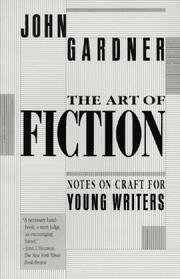
Begin with Writing Historical Fiction by Celia Brayfield, a practical guide built specifically for the genre's problems — dialogue, detail, and how much history to show. Round out your fundamentals with The Art of Fiction by John Gardner, whose lessons on scene and detail apply doubly when every object must be period-correct. Then Doing History by Anna Green introduces how historians actually think about the past, so your research rests on more than a Wikipedia skim.
Theory and the writer's stance
To understand the genre's ambitions, read The Historical Novel by György Lukács, the foundational theory of how fiction can capture the forces of an era through ordinary lives. Then learn from practitioners: Alias Grace by Margaret Atwood is a model of building a novel from a real, ambiguous historical case, and The Art of Historical Fiction by Hilary Mantel — the genre's modern master — distills her thinking on rendering the past from the inside.
Study the masters and finish the book
Now read the exemplars closely. Wolf Hall by Hilary Mantel shows immersive present-tense historical narration at its peak. To keep your own draft moving, Writing Fiction by Janet Burroway supplies the structural toolkit, and On Writing by Stephen King keeps you honest about daily practice. The Pillars of the Earth by Ken Follett demonstrates sweeping, plot-driven historical storytelling, and Colm Tóibín on Writing Historical Fiction offers a working novelist's reflections on the genre's choices.
Read in this order and you will hold research and story in balance rather than at war. Follow the full path to write history that reads like life.
Follow the full reading path →
Ready to learn something deeply?
Build a reading path — free