The short story is the most unforgiving form of prose fiction. With so little room, every weak sentence shows, and the beginner's instinct to explain and pad is fatal. Learning to write them well starts, paradoxically, with learning to read them well.
A good reading order moves from immersion to craft to revision to the marketplace. First you fill your ear with excellent stories, then you study how they are built, then you learn to cut what does not work, and finally you learn to send finished work out.
Read deeply, then study craft
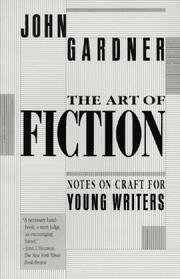
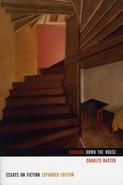
Start with an anthology: The Story and Its Writer by Ann Charters pairs great stories with commentary so you read as a writer, not just a reader. Then The Art of Fiction by John Gardner is the classic on the craft's fundamentals — detail, distance, psychic vividness. Burning Down the House by Charles Baxter sharpens your sense of subtext and structure with brilliant essays, and The Art of the Short Story by Dana Gioia gathers exemplary stories with writers' own notes on how they made them.
Build and revise real stories
With craft in view, turn to the workbench. Writing Fiction by Janet Burroway is the standard guide that walks you through character, plot, and point of view with exercises. The Lonely Voice by Frank O'Connor is the great meditation on why the short story does what novels cannot — indispensable for understanding the form's soul. Then On Writing by Stephen King demystifies the daily practice and honesty a working writer needs, and The Situation and the Story by Vivian Gornick teaches the difference between what happened and what it means, the engine of any good narrative.
Revise hard, then submit
Finishing is rewriting. Revision and Self Editing for Publication by James Scott Bell gives you a concrete system for turning a rough draft into a submittable one. To calibrate your ambition, read the stories in The Best American Short Stories 1967 to see the form at a high bar. Finally, Writer's Market by Robert Lee Brewer is the practical directory for finding the magazines and contests where your work belongs.
Worked in order, these books take you from reader to writer to published author. Follow the full path to build the discipline the form demands.
Follow the full reading path →
Ready to learn something deeply?
Build a reading path — free