Literary translation looks like a technical skill and is really a set of judgments: how faithful, how fluent, how visible the translator should be. Beginners often assume there is a correct answer and chase it. The literature on translation exists to show that the interesting questions have no single answer, only defensible choices.
Reading in order helps because the field argues with itself. Start with the big ethical and theoretical stakes, then move to craft, then to the hardest cases and the working life. Each stage gives you sharper eyes for the choices the next one asks you to make.
See the stakes and the theory
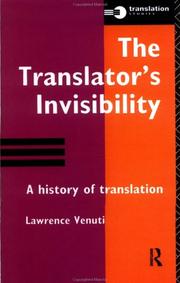
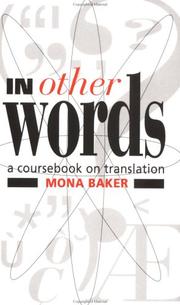
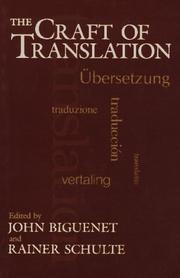
Begin with The Translator's Invisibility by Lawrence Venuti, the field-defining argument about why translators are erased and what that costs. In Other Words by Mona Baker then grounds theory in practice with a coursebook on the levels — word, grammar, text, pragmatics — where meaning shifts. The Craft of Translation, edited by John Biguenet, collects working translators reflecting on real problems, and Is That a Fish in Your Ear? by David Bellos is the wittiest wide-angle tour of what translation is and does, ideal for keeping theory human.
Study craft and style
With the framing in place, turn to method. Translating Literature by George Steiner treats translation as an act of deep reading and interpretation. The Penguin Book of the Poet's Translation and Found in Translation by Nataly Kelly widen your sense of what translated writing can be and where it lives in the world. Then Translating Style by Tim Parks does the close, sentence-level work — showing through paired texts how a translator's choices remake an author's voice, for better or worse.
Handle theory's hard cases and poetry
The final arc takes on the thorniest material. Theories of Translation, edited by Rainer Schulte, anthologizes the essential essays so you can trace the debate across centuries. For poetry, the hardest form to carry across, The Poem Itself by Stanley Burnshaw teaches close reading in the original alongside literal cribs, and Translating Poetry by André Lefevere examines the strategies translators actually use when perfect fidelity is impossible.
Read in this order, the books build from why translation matters to how it is done to where it breaks down. Follow the full path to develop the judgment the craft really rewards.
Follow the full reading path →
Ready to learn something deeply?
Build a reading path — free