Writing for children is one of the most underestimated crafts in publishing. A picture book may be five hundred words, but every one of them has to earn its place, and young readers are the most honest audience alive — they simply stop paying attention if a book fails them. The field also spans a huge range, from picture books read aloud to toddlers to middle-grade novels devoured by ten-year-olds, and each format has its own rules. A reading order helps enormously: you learn general storytelling, then the specific craft of the picture book, then the voice of longer kidlit, and only then the practical business of getting it into readers' hands.
Best Books on Writing Children's Books, in Reading Order
July 14, 2026 · 2 min read
Foundations of storytelling for young readers
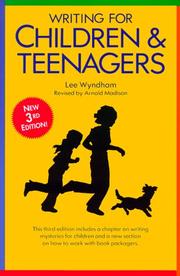
Begin with the broad craft aimed at this audience. Writing for children & teenagers by Lee Wyndham is a long-trusted overview of the whole field. The elements of story by Francis Flaherty sharpens your sense of narrative and what makes a story compelling regardless of age. Together they ground you before you specialize.
The picture book
The picture book deserves dedicated study because it is deceptively technical. Writing picture books by Ann Whitford Paul is the definitive practical guide to the form — word count, page turns, rhythm, and the art of leaving room for illustration. The Art of the Picture Book by Uri Shulevitz, written by a master illustrator, deepens your understanding of how words and pictures tell a story together. Read these closely; the constraints are the craft.
Voice, emotion, and kidlit craft
Now develop the voice that reaches children. Spilling ink by Anne Mazer is a warm, practical guide to creative writing that models an engaging young-reader sensibility. Writing Irresistible Kidlit by Mary Kole focuses on middle grade and young adult, covering voice, character, and stakes for older kids. The Emotional Craft of Fiction by Donald Maass reminds you that even the youngest stories must make a reader feel something. And Story genius by Lisa Cron keeps the internal, character-driven engine at the center of your plots. These build the heart of your longer work.
The business of the work
Close with the practical side, because children's publishing has its own path to market. The business of being a writer by Jane Friedman is a clear-eyed guide to the profession — income, contracts, and career. How to write a children's book and get it published by Barbara Seuling covers the specific steps for this field, from manuscript to submission.
That is the sequence — foundation, picture-book form, kidlit voice, and business — each stage preparing the next. Follow the full path in order and you will write for children with the respect the audience demands.
FAQ
- Do I need to illustrate my own picture book?
- No. Most picture-book authors write only the text, and publishers pair them with an illustrator. Books like Writing picture books teach you to write with page turns and illustration in mind without drawing anything yourself.
- Which age group should I write for first?
- Write for the age you feel and read most naturally. The formats differ sharply — picture books versus middle grade — so this path covers the picture-book craft and longer kidlit separately, letting you focus where your voice fits.
Get the books
- 1Writing for children & teenagersAmazon ↗Lee Wyndham
- 2The elements of storyAmazon ↗Francis Flaherty
- 3Writing picture booksAmazon ↗Ann Whitford Paul
- 4Spilling inkAmazon ↗Anne Mazer
- 5Writing Irresistible KidlitAmazon ↗Mary Kole
- 6Story geniusAmazon ↗Lisa Cron
As an Amazon Associate we earn from qualifying purchases. Some book links are affiliate links; you pay the same price and we may earn a small commission.
Follow the full reading path


Writing children's books: an ordered reading list from picture books to middle grade
Beginner8books56 hrs4 stages
@craftsherpa♥ 0
Ready to learn something deeply?
Build a reading path — free