Mysteries and thrillers are the most engineered forms of popular fiction. A mystery has to plant clues fairly, mislead honestly, and pay off with a solution that feels both surprising and inevitable; a thriller has to sustain dread and momentum while a threat closes in. That kind of plotting is a craft you build deliberately — you cannot wing a fair-play whodunit. A reading order matters here more than almost anywhere: get the general storytelling and structure down, then learn the genre-specific mechanics of puzzle, suspense, and payoff, then absorb the wisdom of the writers who defined the form.
Best Books on Writing Mysteries and Thrillers, in Sequence
July 14, 2026 · 2 min read
Story and structure first
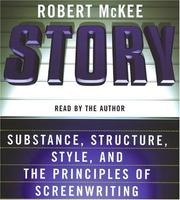
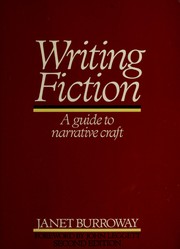
Start broad. Story is Robert McKee's rigorous foundation in how narratives are built, and crime fiction is structure under pressure. Writing Fiction by Janet Burroway covers the craft essentials — scene, character, point of view — that every genre novel rests on. These make sure your thriller is a real story before it is a clever machine.
Plotting the mystery
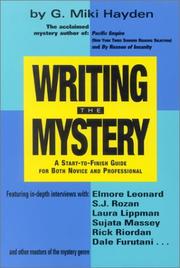
Now the genre's core. Writing the mystery by G. Miki Hayden is a practical guide to constructing detective fiction, clues and all. How to write a damn good mystery by James N. Frey teaches plotting the puzzle from crime to solution with a working author's clarity. And Techniques of the Selling Writer by Dwight V. Swain is a classic on scene-and-sequel mechanics — the engine of pacing that keeps readers turning pages. Together they teach you to build a plot that plays fair and still surprises.
Building suspense and conflict
Thrillers demand a different pressure. Writing the thriller by T. Macdonald Skillman focuses on the fast-paced, high-stakes side of the genre. Conflict & suspense by James Scott Bell is a precise handbook on the two forces that make a thriller unbearable in the best way. Read these while drafting your set pieces, when the theory has scenes to grip.
The masters and the payoff
Close with genre wisdom and structural finishing. Writing mysteries edited by Sue Grafton collects advice from accomplished crime novelists — perspective from people who have done it. The art of the mystery story by Howard Haycraft is a classic anthology of criticism that teaches by tracing the genre's history and rules. The anatomy of story by John Truby offers a deep, character-driven approach to plotting that pairs beautifully with genre structure. And Plot & structure by James Scott Bell ties the architectural lessons together for a clean final revision.
That is the arc — foundation, mystery mechanics, suspense, and mastery — each earning the next. Follow the full path in order and you will build plots that are fair, surprising, and genuinely tense.
FAQ
- What is the difference between a mystery and a thriller?
- A mystery centers on a puzzle solved through clues, often with the danger behind us; a thriller centers on escalating danger unfolding in the present. Books like Writing the mystery and Writing the thriller address each craft directly.
- How do I plant clues fairly?
- Fair-play plotting means the reader could theoretically solve it, yet is misdirected. Guides such as How to write a damn good mystery teach how to seed clues honestly while steering attention elsewhere.
Get the books
- 1StoryAmazon ↗Robert McKee
- 2Writing FictionAmazon ↗Janet Burroway
- 3Writing the mysteryAmazon ↗G. Miki Hayden
- 4How to write a damn good mysteryAmazon ↗James N. Frey
- 5Techniques of the Selling WriterAmazon ↗Dwight V. Swain
- 6Writing the thrillerAmazon ↗T. Macdonald Skillman
As an Amazon Associate we earn from qualifying purchases. Some book links are affiliate links; you pay the same price and we may earn a small commission.
Follow the full reading path
Writing mysteries and thrillers: the best craft books, read in sequence
Beginner11books92 hrs5 stages
@craftsherpa♥ 0
Ready to learn something deeply?
Build a reading path — free