World War II is the most-written-about event in history, which is exactly why people drown in it. Start with a 900-page campaign history and the tanks and dates blur into noise. The war lands far harder — and makes far more sense — when you start with the people who lived it, then zoom out to the grand narrative, then confront the questions the narrative raises.
A World War II reading list that starts with people, not battles
July 6, 2026 · 1 min read
The path, stage by stage
Our World War II path is ordered human-first.
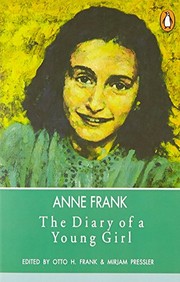
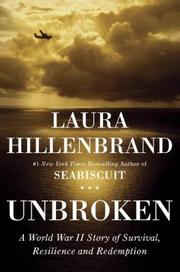
The human story. The Diary of a Young Girl (Anne Frank), Hillenbrand's Unbroken, and Sledge's With the Old Breed — the war at eye level, before it becomes strategy. This stage is why the rest matters.
The grand narrative. Gilbert's The Second World War and Hastings' Inferno — what happened, when, and how the pieces connected across theaters.
Causes, leaders, decisions. Shirer's The Rise and Fall of the Third Reich, Absolute War on the Eastern Front, and No Simple Victory.
Strategy, command, and the Holocaust. Browning's Ordinary Men (how ordinary people became killers — the war's most necessary book), Atkinson's The Guns at Last Light, and The Storm of War.
The habit: keep two timelines
Run two parallel timelines as you read — one of events, one of the individuals from stage one. Watching Anne Frank's diary and Sledge's Pacific intersect the grand narrative is what keeps 60 million deaths from becoming an abstraction. History is people; the numbers are just the shadow they cast.
Around 155 hours. Follow the path or browse the WWII hub. Zoom out to the forces behind it with how to read history and understanding geopolitics.
FAQ
- Where should I actually start?
- With a human story — Anne Frank’s diary or Unbroken. The grand narratives mean far more once the war has a face, and you’ll retain the strategy better for caring first.
- Is one big single-volume history enough?
- A single volume (Gilbert or Hastings) gives you the arc, but the human and moral stages are where understanding actually forms. The war is too large and too important for one book.
Get the books
- 1The Diary of a Young Girl- Anne FrankAmazon ↗Anne Frank
- 2UnbrokenAmazon ↗Laura Hillenbrand
- 3With the Old BreedAmazon ↗Eugene Sledge
- 4The Second World WarAmazon ↗John Keegan
- 5InfernoAmazon ↗Max Hastings
- 6The Rise and Fall of the Third ReichAmazon ↗William L. Shirer
As an Amazon Associate we earn from qualifying purchases. Some book links are affiliate links; you pay the same price and we may earn a small commission.
Follow the full reading path

How to learn World War II
Beginner11books155 hrs4 stages
Ready to learn something deeply?
Build a reading path — free