Rome spans a thousand years, three forms of government, and most of a continent — try to read it all at once and it collapses into a jumble of Caesars. The way through is sequence: get the sweep of the whole story first, then the texture of daily life, then let the Romans speak for themselves, and only then the specialist scholarship that argues over what it all meant.
How to read about ancient Rome, in the right order
July 6, 2026 · 1 min read
The path, stage by stage
Our ancient Rome path is built exactly that way.
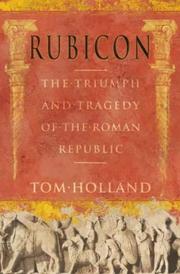
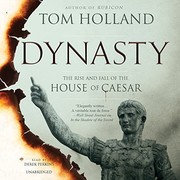
Foundations — the Roman story. Mary Beard's SPQR (the best modern one-volume history), Tom Holland's Rubicon (the Republic's fall as a page-turner), and his Dynasty on the first emperors.
Society, culture, daily life. The Storm Before the Storm — how the Republic began to break — grounding the politics in the lived world.
Going deeper — politics, power, empire. The Fall of the Roman Empire and Caesar — the machinery of power and its most famous wielder.
The Romans in their own words. Suetonius's The Twelve Caesars, Marcus Aurelius's Meditations, and The Histories of Tacitus — primary sources that hit differently once you know the story around them.
Mastery — specialist scholarship. Syme's The Roman Revolution and The Roman Empire — the deep, argued history.
The habit: place it on the timeline
Rome's single most common confusion is Republic versus Empire. Keep one timeline with the big hinge points — founding, the Republic, the fall of the Republic, the Principate, the fall of the West — and slot every book onto it. Once the skeleton is clear, the Caesars stop blurring together.
Around 115 hours. Follow the path or browse the ancient Rome hub. Since the primary sources include Meditations, it dovetails with reading the Stoics in order, and with how to read history generally.
FAQ
- Is SPQR a good first book on Rome?
- It’s the ideal one — a single, readable, modern volume that covers the whole sweep without assuming prior knowledge. Everything else in the path deepens the map it draws.
- Should I read the ancient sources like Tacitus first?
- No — read them after the modern narrative. Suetonius and Tacitus assume you know the players and events; they’re a reward in stage four, not an entry point.
Get the books
- 1SPQRAmazon ↗Mary Beard
- 2RubiconAmazon ↗Tom Holland
- 3DynastyAmazon ↗Tom Holland
- 4The storm before the stormAmazon ↗Duncan, Michael (Podcaster)
- 5Daily life in ancient RomeAmazon ↗Florence Dupont
- 6The Fall of the Roman EmpireAmazon ↗Peter Heather
As an Amazon Associate we earn from qualifying purchases. Some book links are affiliate links; you pay the same price and we may earn a small commission.
Follow the full reading path

How to learn Ancient Rome
Beginner12books124 hrs5 stages
Ready to learn something deeply?
Build a reading path — free