History defeats readers through sheer size. Start chronologically and you'll spend a decade before reaching anything you originally cared about; hop randomly between famous books and nothing connects. The readers who stay oriented do something different: they read history in layers.
How to read history without getting lost
July 6, 2026 · 2 min read
Layer one: the whole story, fast
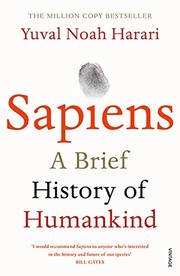
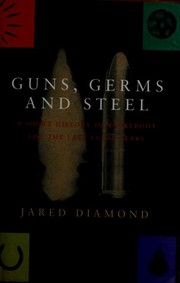
Our history path opens with the sweep: Harari's Sapiens for the provocative big arc, Susan Wise Bauer's The History of the Ancient World for the narrative backbone, and Diamond's Guns, Germs, and Steel for the biggest question of all — why civilizations diverged. You'll disagree with parts of all three (historians certainly do). That's fine; the goal of layer one is a mental map with continents on it.
Layer two: depth over breadth
With the map in place, go deep where the story turns: Kyle Harper's The Fate of Rome (an empire ended by climate and plague as much as politics), Frankopan's The Silk Roads (the world's center of gravity, viewed from the East for once), and Hobsbawm's The Age of Revolution on the fifty years that built modernity.
Layer three: the forces underneath
Events sit on top of systems. Adam Smith's The Wealth of Nations for economics as a historical force, McNeill's Plagues and Peoples for disease as a driver of civilization, and Arendt's The Origins of Totalitarianism for the political forces of the twentieth century.
Layer four: how the sausage is made
E.H. Carr's What Is History? is the short, classic argument that history is an interpretive act — historians choose, frame, and argue. Reading it last flips a switch: every book you read afterward, you'll notice the historian as well as the history.
Keep a timeline, not notes
One practical habit beats elaborate note-taking here: keep a single running timeline and add events as you read. Layer two entries slot between layer one's landmarks, and the connections — this happened while that happened — are where history starts feeling less like trivia and more like a system.
Follow the path, or go narrower with the Ancient Rome hub. For the reading-in-layers idea generally, see how many books it takes to learn a subject.
FAQ
- Is Sapiens accurate enough to start with?
- It’s a big-argument book, and specialists dispute plenty of it. That’s exactly why it works as an opener: it gives you a bold map that the rest of the path complicates and corrects.
- Should I read history chronologically?
- No — read it in layers: one fast sweep of everything, then deep dives where the story turns. Chronological completeness is how history reading dies.
Get the books
- 1SapiensAmazon ↗Yuval Noah Harari
- 2The History of the Ancient WorldAmazon ↗Susan Wise Bauer
- 3Guns, Germs, and SteelAmazon ↗Jared Diamond
- 4The Fate of RomeAmazon ↗Kyle Harper
- 5The Silk RoadsAmazon ↗Peter Frankopan
- 6The Age of RevolutionAmazon ↗Eric Hobsbawm
As an Amazon Associate we earn from qualifying purchases. Some book links are affiliate links; you pay the same price and we may earn a small commission.
Follow the full reading path

How to learn History
Beginner11books115 hrs4 stages
Ready to learn something deeply?
Build a reading path — free