Volcanoes and earthquakes feel like the Earth losing its temper, but they are the visible symptoms of a slow, planet-wide machine most of us were never taught. The subject is easy to enjoy and hard to actually learn, because the exciting disaster books assume the plate tectonics you may not have, while the textbooks bury the wonder. The fix is order: understand the engine, then watch it in action, then reckon with what it means for the people living on top of it. This is about weighing scientific evidence, not predicting the next event — even experts cannot do that precisely.
Best Books on Volcanoes and Earthquakes, in Order
July 12, 2026 · 2 min read
Stage one: the machine underneath
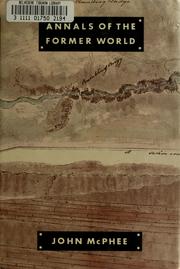
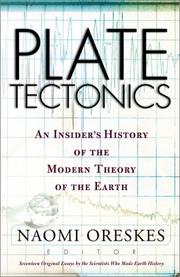
Start with Annals of the former world by John McPhee, a Pulitzer-winning journey across North America that teaches you to read landscapes as deep time — the best on-ramp to thinking geologically. Then read Plate tectonics by Naomi Oreskes on how scientists came to accept the theory that explains why the ground moves at all, and Volcanoes by Peter Francis for the mechanics of eruptions themselves.
Stage two: the great catastrophes
Now the drama, grounded in the science you just built. Krakatoa : The Day the World Exploded by Simon Winchester reconstructs the 1883 eruption heard around the world, and his A crack in the edge of the world, also by Simon Winchester, does the same for the 1906 San Francisco earthquake and the young science of seismology. These are narrative history at its best — and now you will understand the forces they describe.
Stage three: humans on a restless planet
Finally, the stakes. The earthquake observers by Deborah R. Coen traces how people learned to study quakes systematically, and The Big Ones by Lucy Jones — a seismologist — examines how natural disasters shape and threaten civilizations, and how we might prepare. For a striking case of geology bending history, The Fate of Rome by Kyle Harper argues that climate and disease, not just politics, undid an empire.
How to actually study it
Geology is spatial, so read with maps open — trace plate boundaries and fault lines as authors mention them. Keep a short glossary (subduction, magma, epicenter, magnitude) so the disaster narratives stay legible. When a book describes an event, pause to connect it back to the mechanism from stage one; that linking is where real understanding forms. And treat any talk of prediction skeptically — the honest science is about probability and preparedness, not fortune-telling.
Read it in order on the full reading path, visit the subject hub, or browse more Earth-science paths.
FAQ
- Do I need a science background to read these?
- No. Annals of the former world and the Winchester narratives are written for general readers; they build the geology as you go. Start there before any textbook.
- Can these books help me predict earthquakes?
- No — precise prediction is beyond current science. The best books, like The Big Ones, focus on understanding the forces and preparing for them rather than forecasting exact events.
Get the books
- 1Annals of the former worldAmazon ↗John McPhee
- 2Plate tectonicsAmazon ↗Naomi Oreskes
- 3VolcanoesAmazon ↗Francis, Peter
- 4Krakatoa : The Day the World ExplodedAmazon ↗Simon Winchester
- 5A crack in the edge of the worldAmazon ↗Simon Winchester
- 6The earthquake observersAmazon ↗Deborah R. Coen
As an Amazon Associate we earn from qualifying purchases. Some book links are affiliate links; you pay the same price and we may earn a small commission.
Follow the full reading path
Volcanoes & earthquakes: the restless Earth
Beginner8books77 hrs5 stages
Ready to learn something deeply?
Build a reading path — free