Pandemics are where biology collides with politics, and where a microscopic accident can bend the arc of history. The subject is hard to self-teach because it lives in several disciplines at once — molecular virology, epidemiology, and social history — and most people read one dramatic outbreak book, feel informed, and miss the underlying mechanisms. A good reading order fixes that by building the science first, then layering the history and the hard questions of response. Nothing here is medical advice; the goal is to weigh evidence and understand how experts think.
Best Books on Viruses and Pandemics, in Order
July 12, 2026 · 2 min read
Stage one: where new viruses come from
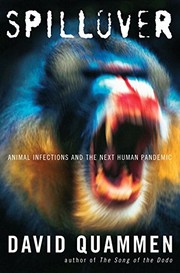
Start with Spillover by David Quammen, the definitive account of how pathogens jump from animals to humans — the concept that explains nearly every modern outbreak. Pair it with The viral storm by Nathan Wolfe, a virologist's view of why pandemics emerge and how we might spot the next one early. Together they give you the mechanism before any of the drama.
Stage two: the great outbreaks
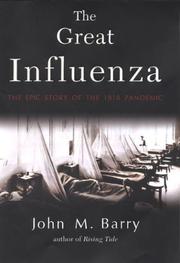
Now read history as narrative. The Great Influenza by John M. Barry reconstructs the 1918 flu and the birth of modern public health, and Pale rider by Laura Spinney widens that same pandemic into a global social story. And the Band Played on by Randy Shilts is the searing chronicle of the early AIDS crisis and the institutional failures that let it spread. Each shows that a pandemic is never only a biological event — it is also a test of societies.
Stage three: the long view and the hard questions
Zoom out with Plagues and Peoples by William Hardy McNeill, the sweeping argument that disease has shaped civilizations as much as war has, and Epidemics and society by Frank M. Snowden, which threads epidemics through history up to the present. Then close on the reckoning: Apollo's Arrow by Nicholas A. Christakis examines what a modern pandemic reveals about us, and Deadliest enemy by Michael T. Osterholm lays out an epidemiologist's warnings about the threats still ahead.
How to actually study it
Read the science books actively — keep a glossary of terms like zoonosis, reservoir, and R0, because they recur everywhere. For the history, track how each society's response succeeded or failed and why; patterns repeat. Hold the policy debates loosely: experts genuinely disagree about tradeoffs, and reading several of them is how you learn to reason under uncertainty rather than memorize one take. When a claim sounds definitive, ask what evidence backs it.
Follow the sequence on the full reading path, explore the subject hub, or browse related science paths.
FAQ
- What book best explains how pandemics start?
- Spillover by David Quammen is the clearest account of how viruses jump from animals to humans, the mechanism behind most modern outbreaks. The viral storm makes a good companion.
- Are these books medical advice?
- No. They explain the science and history of viruses and how experts reason about outbreaks. For any health decision, consult a qualified professional.
Get the books
- 1SpilloverAmazon ↗David Quammen
- 2The viral stormAmazon ↗Nathan Wolfe
- 3The Great InfluenzaAmazon ↗John M. Barry
- 4Plagues and PeoplesAmazon ↗William Hardy McNeill
- 5And the Band Played onAmazon ↗Randy Shilts
- 6The Hot ZoneAmazon ↗Richard Preston
As an Amazon Associate we earn from qualifying purchases. Some book links are affiliate links; you pay the same price and we may earn a small commission.
Follow the full reading path

Viruses & pandemics: the reading path
Beginner11books104 hrs4 stages
Ready to learn something deeply?
Build a reading path — free