Every headline about a new outbreak, a health disparity, or a risk factor is really an epidemiology story, usually told badly. Learning the field lets you read those stories critically: to see the difference between correlation and cause, and to understand how public health actually saves lives. It is hard to self-teach because it sits at the crossroads of medicine, statistics, and history, and most people bounce off whichever part they meet first.
This is a science-and-evidence subject, so the whole point is learning to weigh claims rather than trust them — and nothing here is medical advice. Read to sharpen your judgment.
Why order matters here
Start with the statistics and you will quit by chapter three. Start with a great detective story and the methods later feel like tools you already wanted. Narrative first, machinery second.
The path, stage by stage
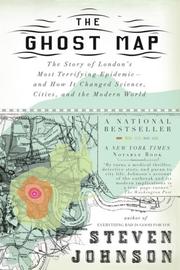
Begin with the founding story. The Ghost Map by Steven Johnson recreates John Snow's investigation of a cholera outbreak — the moment epidemiology became a science — and it reads like a thriller. Build on it with Epidemics and society by Frank M. Snowden, a sweeping history of how diseases have shaped civilizations and how societies fought back.
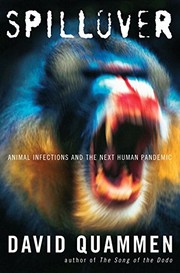
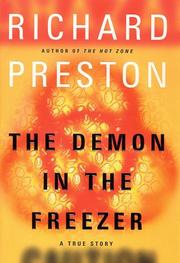
Next, meet the modern threats and their trackers. Spillover by David Quammen follows scientists hunting the animal origins of new diseases; The demon in the freezer by Richard Preston tells the tense story of smallpox and bioterror preparedness; and Pale rider by Laura Spinney reconstructs the 1918 flu that killed more people than the Great War.
Then build the toolkit — gently. The Art of Statistics by David Spiegelhalter and The numbers game by Michael Blastland teach you to read data honestly, spot misleading claims, and understand risk, all without heavy math. Factfulness by Hans Rosling reframes global health trends and cures the reflex to assume everything is getting worse.
Widen into what actually makes populations sick. The Status Syndrome by Michael Marmot shows how social position shapes health as powerfully as any germ — the heart of modern public health.
Finally, if you want formal command of the methods, graduate to the standard texts. Epidemiology by Leon Gordis is the classic teaching introduction, and Epidemiology: An Introduction by Kenneth J. Rothman goes deeper into study design and causal reasoning. Work through these chapter by chapter, not in one sitting.
How to actually study this
Learn to ask three questions of any claim: what was measured, in whom, and compared to what. After each narrative book, write down the method the investigators used and what could have fooled them. When you hit the statistics books, do the small exercises — reasoning about risk is a skill you build, not a fact you memorize. And always separate what the evidence shows from what a policy chose to do about it.
Read the narratives cover to cover; treat the textbooks as a course to work through. See the full reading path for the staged study plan, and the subject hub for links to pandemics and statistics. Explore neighboring fields at /subjects.
Ready to learn something deeply?
Build a reading path — free