We treat scientific knowledge as if it were always there, waiting to be looked up. The history of science tells a messier and more useful story: how, over centuries, people invented the habit of doubting themselves systematically. Understanding that process is the best inoculation against both blind trust and reflexive cynicism.
This is a subject about weighing evidence, so read it that way. The books below are histories, not settled science, and their authors have viewpoints. The goal is to watch how ideas were won and revised, not to collect trivia.
Why order matters here
The story compounds. The methods Galileo fought for become the water Darwin swims in; the confidence of nineteenth-century physics is exactly what quantum mechanics later shatters. Read in sequence and each revolution lands because you felt the certainty it overturned.
The path, stage by stage
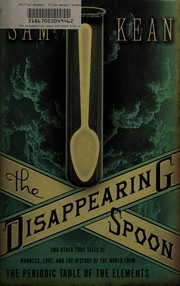
Warm up with The Disappearing Spoon by Sam Kean and A short history of nearly everything by Bill Bryson — two joyful, anecdote-rich tours that give you the cast of characters and the sheer sweep before any heavy lifting.
Then enter the first great turning point. The Sleepwalkers by Arthur Koestler tells how Copernicus, Kepler, and Galileo stumbled toward a sun-centered cosmos, and Galileo's Daughter by Dava Sobel humanizes that fight through Galileo's own letters. The clockwork universe by Edward Dolnick carries the thread into Newton's era, when the world first looked like a machine you could calculate.
Now read the sources that changed everything. On the origin of species by means of natural selection by Charles Darwin is worth reading in the original — patient, cautious, revolutionary. The double helix by James D. Watson shows science as it is actually done: rivalrous, lucky, human. Einstein by Walter Isaacson traces how one mind rebuilt space and time.
For the payoff, The Structure of Scientific Revolutions by Thomas S. Kuhn gives you the vocabulary — paradigm, anomaly, revolution — to interpret everything you have read. Close with The Demon-Haunted World by Carl Sagan, a moving argument for why the scientific habit of mind is worth defending.
How to actually learn this
Read the popular histories quickly for momentum, then slow down for Darwin, Kuhn, and Sagan, which reward notes. For each revolution, write down what people believed before and what evidence forced the change — that before-and-after is the whole discipline in miniature. Resist the temptation to treat past scientists as fools; ask instead why their errors were reasonable given what they knew.
When you are ready, follow the full reading path for the staged study plan, browse the subject hub, or explore more subjects.
Ready to learn something deeply?
Build a reading path — free