The immune system is doing something extraordinary right now: distinguishing you from not-you, millions of times a second, across trillions of cells. Understanding it changes how you think about infection, vaccines, allergies, and aging. But it is notoriously hard to self-teach — the field is a thicket of acronyms and cell types, and most textbooks assume you already have the map.
This is a science subject, so treat it as weighing evidence rather than collecting facts, and note the obvious caveat up front: these books build understanding, not medical advice. For anything about your own health, that belongs with a clinician.
Why order matters here
Open an immunology textbook first and you will drown in T-cell subtypes. Start with a vivid overview and the technical books later read like a story you already half-know. Sequence turns memorization into comprehension.
The path, stage by stage
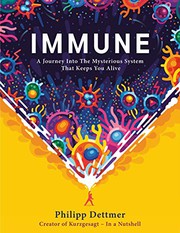
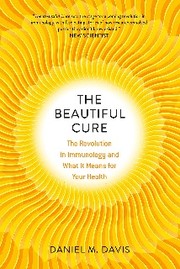
Start with the best on-ramp there is. Immune by Philipp Dettmer is a gorgeously illustrated tour that builds an intuitive model of how your defenses work — read this and you will finally see the system as a whole. Follow it with The beautiful cure by Daniel M. Davis, which tells the story of how immunology's big discoveries were made and why they matter.
Next, widen into the human and cultural side. On immunity by Eula Biss is a thoughtful essay on vaccination, fear, and trust that grounds the science in real decisions. An Elegant Defense by Matt Richtel weaves cutting-edge immunology through four patients' stories, showing the system in triumph and in failure.
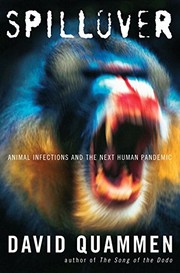
Then go deeper on specific machinery. The Compatibility Gene by Daniel M. Davis explores how a handful of genes shape immunity, transplants, and even attraction. Spillover by David Quammen looks outward at how animal viruses jump to humans — the threats your immune system evolved to meet — and The autoimmune connection by Rita Baron-Faust examines what happens when the system turns on the body it protects.
Finally, if you want real mastery, graduate to the textbooks. How the Immune System Works by Lauren M. Sompayrac is the beloved short primer that bridges popular science and formal study, and Immunobiology by Charles Janeway is the field's definitive reference — dip into chapters as questions arise rather than reading front to back.
How to actually study this
Draw the system. After the overview, sketch the players — barriers, innate cells, B and T cells, antibodies — and the sequence of a response, then redraw it from memory a week later. Keep a glossary of acronyms with a plain-English gloss, because the jargon is most of the difficulty. And read skeptically about health claims: note where the science is settled, where it is still being argued, and where a book is speculating.
Read the popular books cover to cover; treat the textbooks as references. See the full reading path for the staged study plan, and the subject hub for its links to anatomy and infectious disease. To explore related science, browse /subjects.
Ready to learn something deeply?
Build a reading path — free