Start with An equal music. It is under 400 pages, it is the most concentrated thing Seth has written, and it does in a small compass what he does everywhere: put ordinary people inside a demanding structure — here a string quartet — and watch the structure hold and hurt them.
The obvious alternative is A Suitable Boy, which is the book he is known for. Starting there is a real risk, and not because it is difficult. It is roughly 1,400 pages, and the number is where most readers stop before they begin. Read An equal music first, decide whether you like the sentences, and then commit.
The travel book and the sonnets
From Heaven Lake was his first book: an account of hitchhiking from Xinjiang through Tibet to Nepal as a student, at a moment when almost no foreigner was making that journey. It is slight next to the novels but it explains the temperament — patient, curious, unhurried by the fact that nothing much is happening.
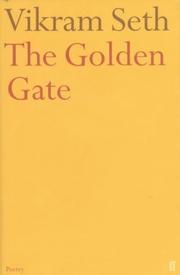
The Golden Gate is the one people warn you about, and the warning is misplaced. It is a novel about young professionals in early 1980s San Francisco written entirely in rhyming sonnets, in the stanza form Pushkin used for Eugene Onegin. For about thirty pages you will hear nothing but the rhyme. After that, most readers stop noticing it and simply read the story. Do not treat it as a stunt to be skipped.
A Suitable Boy, and how to finish it
The premise is domestic: a mother in a newly independent India is determined to find a husband for her younger daughter. Around that Seth builds four families, a land-reform bill, a religious riot, a shoemaking business and an election.
Here is the structural fact nobody mentions, and it is the one that gets people through. A Suitable Boy is divided into nineteen parts, and those parts are broken into several hundred numbered chapters, most of them three to six pages long. It is not a wall of text. It is a book you can genuinely read ten minutes at a time, and it was designed to be read that way. Treat the page count as a duration rather than a difficulty.
The long-promised sequel, A Suitable Girl, has not appeared, so do not begin expecting a second volume.
The double biography
Two lives is non-fiction: the story of Seth's great-uncle, an Indian dentist who lost an arm in the Second World War, and his German-Jewish great-aunt, whose family did not survive it. He assembles it from letters and from tape-recorded conversations, and it is the most emotionally direct book he has written. Read it after at least one novel, because much of its force comes from watching a novelist refuse to novelise.
The poetry
Seth thinks of himself as a poet, and the verse is not an appendix to the fiction. The Humble Administrator's Garden and All you who sleep tonight are the two collections to try first — formal, plain-spoken, often very short. Beastly tales from here and there is a set of animal fables in verse, and is genuinely readable aloud to children without condescending to them. Summer Requiem is the later collection, quieter and more elegiac.
Where to stop
If you read three: An equal music, A Suitable Boy and Two lives. That is the miniaturist, the epic and the biographer, and between them they cover almost everything he does. Our reading paths have companions if you want to read around the period of A Suitable Boy.
Follow the full ordered path here: Vikram Seth Reading Order: Where to Start.