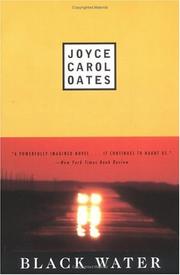
Start with Black water. The obvious alternative is Blonde, which is the famous one, and it is nearly eight hundred pages of hallucinatory Marilyn Monroe — a magnificent book and a terrible introduction, because if it does not work on you, you have lost a month. Black water is about a hundred and fifty pages, it takes a single evening, and it contains the entire Oates method in miniature: a real American atrocity refracted through a young woman's consciousness, the prose tightening as the water rises. If it grips you, everything else on this list will. If it does not, you have found out cheaply.
Before the sequence, one honest statement that most guides skip. Oates has published more than sixty novels, plus dozens of story collections, novellas, essays, plays and books under two pseudonyms. No reading order can be complete, and anyone presenting one as definitive is selling something. What follows is a defensible route through the work that is most read and most argued about — not a canon, and not a substitute for wandering off it.
The second book: pick your temperament
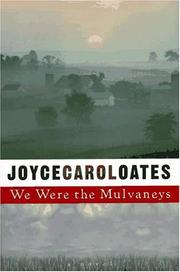
After Black water, go to We were the Mulvaneys if you want the Oates who writes families, and to Blonde if you want the Oates who writes America as a fever dream. We were the Mulvaneys is the accessible masterpiece — a prosperous upstate family destroyed slowly by an assault and its aftermath, told with a patience the early work does not have. It sold enormously after a book-club selection, which has caused some readers to underrate it. Blonde is the more ambitious book and, by a common critical judgement, her best: explicitly a novel rather than a biography, and unfair to its subject in ways it announces on the first page.
The Wonderland Quartet, and the early novels
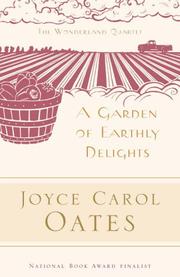
The early loose sequence is where Oates built her reputation. Read A garden of earthly delights first — sharecropper daughter to suburban wife across three generations — then Expensive people, a nasty, funny suburban satire narrated by a child murderer, then Them, which won the National Book Award in 1970 and remains the best single entry point to her Detroit material. The fourth novel of the group, Wonderland, is not in our catalogue; its absence does not break the sequence, since the four are thematically rather than narratively linked.
These are her hardest books tonally. The violence is closer to the surface, the sentences are more driven, and the mid-career novels are considerably more controlled. Some readers prefer exactly that rawness.
The later big novels
The Falls and The Gravedigger's Daughter are the strongest of the later long books. The Falls uses Niagara and the Love Canal disaster the way Black water uses Chappaquiddick — a documented American catastrophe as a lens. The Gravedigger's Daughter draws on her own grandmother's history and is, for a writer accused of coldness, remarkably tender.
Stories and nonfiction
Do not treat the stories as leftovers. Where are you going, where have you been? is among the most anthologised American stories ever written, and the collection built around it is the fastest way to see why she has been taken seriously for sixty years.
Two nonfiction books belong here. On boxing is a short, strange, unsentimental study of the sport that gets recommended by people who care nothing for Oates' fiction. A widow's story is the memoir of the months after her first husband's death; it is unguarded in a way the novels never are, and some readers find it the most affecting thing she has written.
Where to stop
There is no stopping point, which is the honest answer — she publishes faster than most readers read. A sensible working plan is four novels, one story collection and On boxing, then follow whichever thread held you. If the darker, more formally restless side is what drew you, Samuel Beckett is a natural next turn.
Follow the full reading path →