Max Weber is a founder of modern sociology, and his ideas can feel forbidding taken cold, which is why reading order matters. His famous thesis about religion and capitalism, his typology of authority, his diagnosis of the bureaucratic "iron cage": these interlock, and starting with a focused argument before the grand systems keeps you from drowning.
The path below opens with his most accessible work, moves into the core sociology, then adds biography and debate. In sequence, Weber's architecture becomes legible.
The famous thesis and the essays
Begin with The Protestant ethic and the "spirit" of capitalism, his argument that a religious ethic helped unleash the disciplined striving behind modern capitalism. Then From Max Weber: Essays in Sociology, a well-edited selection that introduces his key concepts, including bureaucracy and the types of legitimate authority.
The systematic sociology
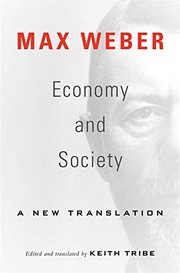
Weber's bigger machinery comes next. The theory of social and economic organization lays out his foundational definitions, and Economy and Society, his monumental unfinished work, is the fullest statement of his thought, best approached selectively.
For the human context, Max Weber by his wife Marianne Weber remains the essential biography, and Max Weber - An Intellectual Portrait by Reinhard Bendix is the classic scholarly overview. To engage the debate his famous thesis still generates, The Protestant ethic debate gathers the arguments, and Classical sociological theory by George Ritzer places Weber alongside Marx and Durkheim. Follow the full path to read them in order.
Follow the full reading path →
Ready to learn something deeply?
Build a reading path — free