Voltaire was a satirist, campaigner, and philosophe rolled into one, and reading him in order helps because his wit only lands fully once you see the causes behind it. His mockery of easy optimism, his relentless attacks on religious intolerance, his championing of reason: these were weapons in real fights, and the fights give the jokes their edge.
The path below starts with his best-known works, adds the Enlightenment context and biography, then follows the long shadow his ideas cast. In sequence, the man and the movement come together.
Voltaire in his own words
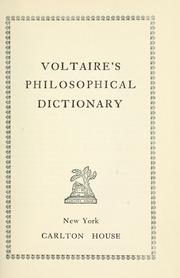
Start with Candide, the swift, savage satire that demolishes the notion that this is the best of all possible worlds. Then Treatise on Toleration, written in response to a real judicial injustice, which remains a stirring plea against fanaticism. Voltaire's Philosophical dictionary collects his provocations alphabetically, a whole worldview in fragments.
To place him, The Enlightenment: an interpretation by Peter Gay is the classic study of the age he helped define, and Voltaire by Ian Davidson is a fine modern biography.
The reach of his ideas
Voltaire's combativeness had a hard edge. Fanaticism, or Mahomet the Prophet is a controversial play best read critically, as an artifact of its polemical moment. Voltaire's bastards by John Ralston Saul argues, provocatively, that Enlightenment reason curdled into technocracy, while Voltaire almighty is a lively full-length life.
Close with The philosophy of the enlightenment by Ernst Cassirer, a deep intellectual history that situates Voltaire within the broader current of ideas. Follow the full path to read them in order.
Follow the full reading path →
Ready to learn something deeply?
Build a reading path — free