Indonesia is a vast archipelago that became a single nation only recently, and its history rewards reading in order because the pieces are so far-flung in space and time. Spice-trade prize, Dutch colony, revolutionary republic, then the world's largest Muslim-majority democracy: the through-line is how thousands of islands were bound together, first by commerce and empire and then by a shared struggle for independence.
The books below start with the spice trade that drew Europe in, move through colonialism and revolution, and end with the modern state. In sequence, they trace the making of a nation.
Spice, empire, and the colonial grip
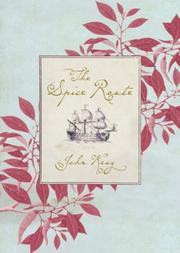
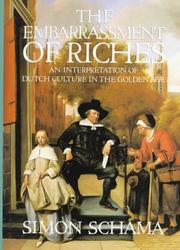
Begin with why anyone cared about these islands. Nathaniel's Nutmeg tells the wild story of the spice race, and The Spice Route by John Keay sets it in the sweep of global trade. The Embarrassment of Riches illuminates the Dutch culture that built the empire, while Max Havelaar, the nineteenth-century novel by Multatuli, exposed colonial abuse and shook the Netherlands.
Indonesia etc by Elizabeth Pisani offers a witty modern travelogue that doubles as an introduction to the country's dizzying diversity.
Revolution and the republic
The path then turns to independence. The Indonesian Revolution and the Singapore Connection covers the fight against the returning Dutch, and Sukarno, an autobiography lets the founding president speak for himself. The Army and Politics in Indonesia by Harold Crouch explains the military's enduring role, and A nation in waiting chronicles the Suharto years and their aftermath.
For deep context, Strange Parallels places Southeast Asia in global history, and Indonesia by Jean Gelman Taylor gives an elegant social history of the whole. Follow the full path to read them in order.
Follow the full reading path →
Ready to learn something deeply?
Build a reading path — free