John Stuart Mill sits at the crossroads of liberal politics, utilitarian ethics, and early feminism, and reading him in order matters because his positions were forged in tension with each other. His defense of individual liberty, his attempt to make utilitarianism humane, his argument for women's equality: these are best understood as parts of a single evolving project rather than separate treatises.
The path below starts with his most famous work, moves through his core philosophy and politics, then adds biography and the debates he still provokes. In sequence, Mill's thought comes into focus as a whole.
The core arguments
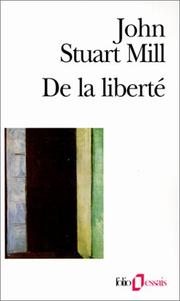
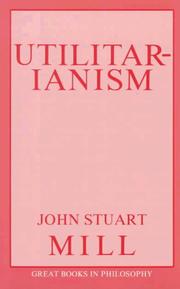
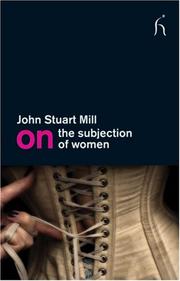
Begin where most readers do, with On Liberty, his enduring case for freedom of thought and the harm principle. Then Utilitarianism, where he tries to rescue the ethics of happiness from the charge of crude pleasure-seeking. The Subjection of Women follows, a bracingly modern argument for equality written in 1869. His Autobiography explains the unusual education and emotional crisis that shaped it all.
Politics, economics, and the debate
Mill was also a working theorist of government and economy. Considerations on Representative Government lays out his views on democracy and its dangers, and Principles of Political Economy was the standard economics text of its era.
For context, the biography John Stuart Mill by Nicholas Capaldi situates the man in his time. To see his ideas contested, The Spirit of Liberty collects Learned Hand's reflections on freedom, Utilitarianism; for and against stages a classic philosophical dispute, and Isaiah Berlin's Two concepts of liberty offers the essay that reframed liberal debate for the twentieth century. Follow the full path to read them in order.
Follow the full reading path →
Ready to learn something deeply?
Build a reading path — free