The Philippines carries the imprint of two colonial powers and a long fight for self-rule, and that layered past is why reading it in order pays off. Spanish colony, birthplace of a national novel and a revolution, American possession, wartime battleground, then a republic that slid into dictatorship before People Power reclaimed it: each era shapes the national conversation that follows.
The books below begin with a survey and the founding literature, then trace empire, war, and the Marcos years. In sequence, they show how questions of identity and independence kept returning.
Founding voices
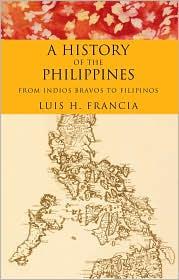
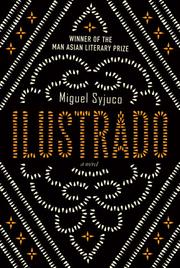
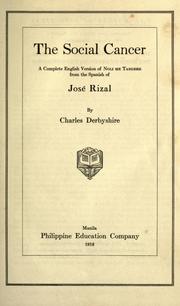
Start with the sweep. A History of the Philippines by Luis H. Francia is a readable single-volume narrative. Then reach for the literature that helped make a nation: Ilustrado is a contemporary novel wrestling with Filipino identity, while Noli Me Tangere, José Rizal's incendiary nineteenth-century novel, lit the fuse of revolution. Rizal without the overcoat by Ambeth Ocampo demystifies the hero with humor and archival detail.
Empire, war, and dictatorship
The American century comes next. In Our Image by Stanley Karnow is the essential account of the U.S. colonial project, and Bataan Diary brings the brutal Pacific War down to lived experience.
Then the Marcos era. The Conjugal Dictatorship of Ferdinand and Imelda Marcos is a devastating insider exposé, and The Philippines, a singular and a plural place frames the country's diversity. People Power: The Philippine Revolution of 1986 documents the peaceful overthrow, From Ilustrado to Technocrat traces the elite class across regimes, and the essay collection A Piece of Cake offers a journalist's modern eye. Follow the full path to read them in order.
Follow the full reading path →
Ready to learn something deeply?
Build a reading path — free