John Locke is quoted more than he is read, which is a shame, because his actual arguments are clearer and stranger than the slogans suggest. He wrote foundational works on government, on religious toleration, and on how the mind knows anything at all. Reading in order helps: start with a short guide and the intellectual world he lived in, then read Locke himself, then the modern scholars who argue over what he meant.
This path treats Locke as a thinker to understand, not a mascot to quote.
Getting oriented
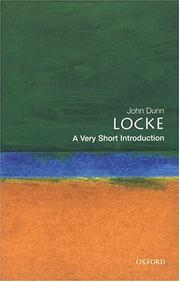
Begin with Locke, John Dunn's compact and authoritative introduction, which sets out the whole of his thought in a short space. Then place him in his era with The Enlightenment: an interpretation, Peter Gay's sweeping account of the movement Locke helped ignite. With that scaffolding, his own texts become far more legible.
Locke in his own words
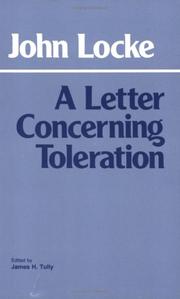
Now read the man himself, from the most accessible outward. A Letter Concerning Toleration, Locke's short and powerful argument for separating church and state, is the ideal starting text. Then Two Treatises of Government, his case against absolute monarchy and for government by consent, the work that shaped liberal and revolutionary politics for centuries.
For the deeper Locke, turn to An essay concerning human understanding, 1690, his massive investigation into the origins and limits of knowledge. It is longer and harder, but it is where his empiricism lives, and it explains why he thought about politics the way he did.
The scholarly argument
Locke's meaning is genuinely contested. The political theory of possessive individualism, C. B. Macpherson's influential and critical reading, argues Locke was defending emerging capitalism, a claim scholars still fight about. The 1690 edition of Locke's Two treatises of government, Peter Laslett's landmark scholarly edition and study, reset the dating and context of the political writing. Close with Liberalism and the Limits of Justice, Michael Sandel's modern critique, to see how Locke's inheritance is questioned today.
Read in order, Locke becomes a thinker you can actually follow and dispute. Follow the full path to take the books in sequence.
Follow the full reading path →
Ready to learn something deeply?
Build a reading path — free