Freud is everywhere in ordinary speech — the unconscious, repression, the Freudian slip — yet the man's actual arguments are rarely read firsthand. That is a shame, because Freud is a superb writer, and reading him in order lets you watch a theory being built, tested, and revised. It also lets you judge, rather than inherit, which parts hold up.
Start with modern overviews that place him honestly, then read his own works from the accessible case studies toward the sweeping cultural essays, closing with critics and heirs.
Frame the man
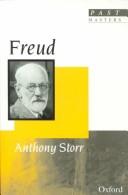
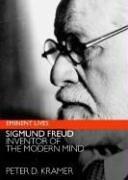
Begin with Anthony Storr's Freud and Peter D. Kramer's Freud, two short, balanced introductions — one classic, one contemporary — that separate the durable ideas from the discredited ones.
Freud in his own words
Enter gently with On dreams, Freud's own condensation of his dream theory, and The psychopathology of everyday life on slips and forgetting. Five lectures on psycho-analysis is the friendliest full statement of the method. Then take on the major works: The Interpretation of Dreams, his breakthrough; Three Essays on the Theory of Sexuality; and The ego and the id, which introduces his structural model of the mind.
The cultural Freud, and his critics
Freud's later work turned outward. Totem and Taboo and Civilization and Its Discontents apply psychoanalysis to religion, culture, and the discontents of social life. Then read the reassessments: Edward Said's Freud and the Non-European, Sebastian Timpanaro's skeptical The Freudian Slip, and Stephen Mitchell's Freud and beyond, which traces how analysis evolved after him.
Follow the full reading path for study plans on each stage and verified editions, in order.
Follow the full reading path →
Ready to learn something deeply?
Build a reading path — free