Aristotle is not one book but a whole curriculum. He built the vocabulary that later philosophy, science, and even biology still lean on, which is exactly why jumping straight into his treatises can feel like walking into a lecture already in progress. The primary texts assume you already know his terms and his questions.
The fix is order. A short modern overview gives you the map; then you can read the treatises themselves in a sequence that mirrors how Aristotle thought — from how to live, to how we know, to what exists at all.
Start with the map
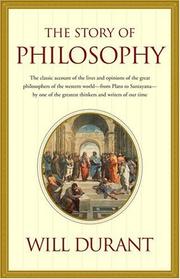
Begin with Aristotle: A Very Short Introduction by Jonathan Barnes, a compact tour of the whole system by a leading scholar. Pair it with the Aristotle chapter of Will Durant's The Story of Philosophy for narrative context — where Aristotle sits between Plato and everything after.
Read the treatises in sequence
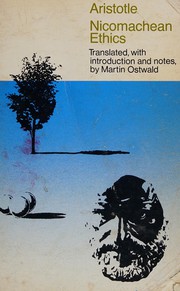
With the map in hand, start where Aristotle himself is most approachable: Nicomachean Ethics, his account of virtue, habit, and the good life. Move to Politics, which extends that ethics into how communities should be organized — the two are meant to be read together.
Then turn to his tools of thought. Prior Analytics lays out the syllogism, the backbone of formal logic for two thousand years. On the soul asks what life and mind actually are, bridging his psychology and biology. From there, Physics tackles change, motion, cause, and nature itself — essential groundwork before the hardest material.
Go deeper, then trace the legacy
Aristotle's metaphysics is the summit and the steepest climb, best attempted only after the physics and psychology are in place. To see why he still matters, read Richard E. Rubenstein's Aristotle's Children, which tells how his rediscovery reshaped medieval Europe, and Armand Marie Leroi's The lagoon, a delightful account of Aristotle as the first working biologist.
Follow the full reading path for stage-by-stage study plans and every verified edition in order.
Follow the full reading path →
Ready to learn something deeply?
Build a reading path — free