Kant rebuilt philosophy from the ground up, and his prose reflects the difficulty of the project. Readers who open the Critique of Pure Reason cold usually close it just as quickly. The problem is rarely intelligence — it is missing scaffolding. Kant answers questions posed by his predecessors and invents terminology as he goes.
So the winning strategy is to build up: a gentle history, then the empiricist challenge he was answering, then guided introductions, and only then the Critiques themselves, each with a companion at your side.
Build the on-ramp
Start playful with Jostein Gaarder's Sophie's world, a novel that walks the history of ideas up to Kant. Then read the target of Kant's response — Hume's Dialogues concerning natural religion — to feel the skeptical challenge that woke Kant from his "dogmatic slumber."
Guided approaches
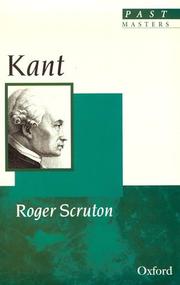
Before the primary texts, read Roger Scruton's brisk, brilliant Kant and Sebastian Gardner's Routledge Philosophy GuideBook to Kant and The Critique of Pure Reason, a chapter-by-chapter companion. A short primary work, the Groundwork of the metaphysics of morals, gives you Kant in his own voice at his clearest. Jonathan Bennett's Kant's Analytic sharpens the hardest arguments.
The three Critiques
Now the main event. Read the Critique of Pure Reason — on what we can know — with Gardner open beside you. Follow with the Critique of Practical Reason on morality and freedom, then the Critique of Judgment on beauty and purpose, which unites the first two. Paul Guyer's Kant and the claims of knowledge deepens the epistemology, and Terry Pinkard's German Philosophy, 1760-1860 shows what Kant set in motion.
Follow the full reading path for study plans on each stage and every verified edition, in order.
Follow the full reading path →
Ready to learn something deeply?
Build a reading path — free