Wine is one of the most intimidating hobbies to start, not because it is hard but because it is vast — thousands of grapes, regions, and vintages, described in a vocabulary that can feel like a wall. The way through is not to memorize everything; it is to build understanding in layers, starting friendly and getting more precise. Do that and a wine list stops being a source of anxiety and becomes a menu you can read.
The path below moves from a plain-English overview to a working map of the wine world, then to the craft of tasting and the culture of drinking. Each layer gives you the pegs to hang the next one on.
Start friendly
Begin with Wine for dummies by Ed McCarthy, which is exactly what a nervous beginner needs: no snobbery, just what the words mean, how to order, and how to not get overwhelmed. Then move to Windows on the World complete wine course by Kevin Zraly, a beloved, structured course that teaches you the major grapes and regions in a logical, class-by-class progression.
Build the map
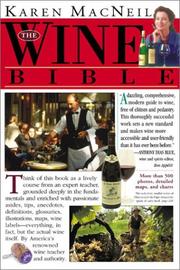
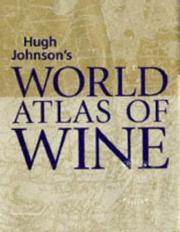
Now go wide and deep. The wine bible by Karen MacNeil is the warm, comprehensive reference that takes you region by region without ever being dry — the book most people credit with their real education. Pair it with The World Atlas of Wine by Hugh Johnson, whose maps make it click where wines come from and why geography shapes taste. Keep The Oxford Companion to Wine by Jancis Robinson on the shelf as the authoritative reference to look things up in.
Learn to taste and to think
Facts are not appreciation. Making Sense of Wine by Matt Kramer teaches you how to think about wine — quality, value, and what actually matters versus what is marketing. How to love wine by Eric Asimov, the New York Times critic, is a lovely argument for trusting your own palate over scores and rules. And Adventures on the wine route by Kermit Lynch is a classic travelogue by a legendary importer that connects wine to place and people, deepening why any of this is worth caring about.
How to actually learn to taste
Reading builds the framework; your palate is trained only by drinking attentively. Taste deliberately: note the color, smell before you sip, and try to name what you notice, even clumsily. Compare two wines side by side — the same grape from two regions — because contrast teaches faster than any single glass. Keep a few notes. Over months, patterns emerge and the vocabulary in the books starts describing things you can actually taste. Enjoy the process; there is no exam.
Follow the full reading path, explore the wine hub, or browse related subjects like whiskey and coffee.
Ready to learn something deeply?
Build a reading path — free