Wine study has a famous failure mode: memorizing before tasting. Aspiring sommeliers drown themselves in appellations, soil types, and vintage charts — and none of it sticks, because facts without sensory anchors are just trivia. The professionals learn in the opposite order: train the palate first, then attach knowledge to flavors you can actually recognize. A glass of Chablis teaches minerality better than any definition of it.
The sommelier’s bookshelf: train your palate before your memory
July 9, 2026 · 2 min read
The path, stage by stage
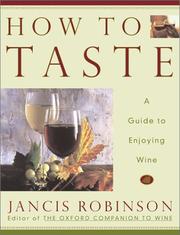
Start where working somms actually start people: Wine Simple by Aldo Sohm, a world-class sommelier's unpretentious first book — what to taste, how to order, why wine is joy before it's homework. Then get deliberate about the skill itself with How to taste by Jancis Robinson, which turns drinking into structured tasting: acidity, tannin, body, finish, assessed one at a time until the vocabulary becomes reflex.
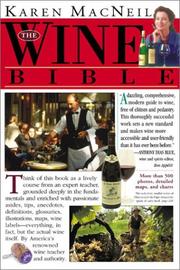
With a working palate, the knowledge layer finally has somewhere to live. The wine bible by Karen MacNeil is the warm, encyclopedic tour of the wine world — the book to read cover to cover. The World Atlas of Wine by Hugh Johnson adds the dimension wine ultimately runs on: place. Maps explain why neighboring vineyards make different wine, and no serious study proceeds without it. For the truly committed, Wine Grapes by Jancis Robinson is the monumental varietal reference — a book you consult for a lifetime rather than read.
The path closes on judgment: The sommelier's atlas of taste by Rajat Parr on what the world's benchmark wines actually taste like and why, and What to drink with what you eat by Andrew Dornenburg for pairing — the sommelier's real job, where wine knowledge meets a menu and a guest. And for the question underneath it all — what tasting even is, and how much of it happens in the brain rather than the glass — I taste red by Jamie Goode is the honest, science-grounded answer, and a useful vaccine against wine's considerable capacity for self-deception.
The habit: the weekly comparative tasting
Once a week, taste two wines side by side that differ in exactly one variable — same grape from two regions, same region from two producers, same wine at two ages. Take notes blind if you can, then reveal. Single bottles teach almost nothing because the palate learns by contrast; comparison is how differences become vocabulary, and vocabulary is how tasting becomes knowledge. Write your notes before you look anything up, so the impression is yours. Two deliberate glasses a week, and in a year you'll taste like a different person.
This path runs about 80 hours of reading — spread it across the tastings. Follow the path or browse the mixology hub. Pairing work connects straight into the cooking fundamentals hub.
FAQ
- Do I need a certification to become a sommelier?
- For restaurant work, credentials like the Court of Master Sommeliers or WSET help — but every program assumes exactly what this path builds: a trained palate and broad foundational knowledge. Read and taste first; certify when you’re ready to work.
- How much wine do I need to buy to study seriously?
- Less than you fear. Comparative tastings need two bottles a week — split with friends, use half bottles, or join a tasting group. Structured attention on modest wine beats absent-minded sips of great wine.
Get the books
- 1Wine SimpleAmazon ↗Aldo Sohm
- 2The wine bibleAmazon ↗Karen MacNeil
- 3How to tasteAmazon ↗Jancis Robinson
- 4The World Atlas of WineAmazon ↗Hugh Johnson
- 5Wine GrapesAmazon ↗Jancis Robinson
- 6The sommelier's atlas of tasteAmazon ↗Rajat Parr
As an Amazon Associate we earn from qualifying purchases. Some book links are affiliate links; you pay the same price and we may earn a small commission.
Follow the full reading path

How to learn Becoming a sommelier
Beginner8books66 hrs5 stages
Ready to learn something deeply?
Build a reading path — free