Etiquette has an image problem. People hear the word and picture stuffy rules about which fork to use. But real etiquette is something more useful and more humane: knowing how to make other people comfortable in any situation, so that you can be comfortable too. It is the operating system underneath charisma, networking, and conversation — and in a world of blurred social norms, knowing the defaults is quietly powerful.
The path below builds from everyday manners outward to specialized settings — business, dining, digital, and cross-cultural — because the general principles come first and the special cases apply them.
Start with the foundations
Begin with Emily Post's Etiquette by Peggy Post, the comprehensive modern reference to everyday manners for nearly every situation you will encounter. Then read Choosing Civility by P.M. Forni, a short, principled book on the twenty-five behaviors of considerate people — the "why" behind the rules, which keeps etiquette from feeling arbitrary. And How to Win Friends and Influence People by Dale Carnegie belongs here too, as the timeless foundation for treating people with genuine respect.
Sharpen conversation and social grace
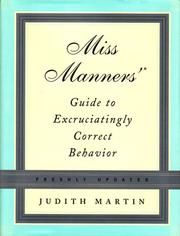
Etiquette lives in conversation. The art of civilized conversation by Margaret Shepherd covers the manners of talk — introductions, tricky topics, graceful exits. The fine art of small talk by Debra Fine teaches the underrated skill of putting strangers at ease, and Miss Manners' guide to excruciatingly correct behavior by Judith Martin delivers sharp, witty rulings on the awkward situations the other books skip.
Handle business and the table
Now the specialized arenas. The essentials of business etiquette by Barbara Pachter covers professional conduct — meetings, email, introductions, and the small signals that shape a career. For dining, Fork It Over by Alan Richman is a witty guide to the world of restaurants and eating well without pretension.
Go digital and global
Finally, extend etiquette to modern and international contexts. Digital Etiquette by Victoria Turk and the classic Netiquette by Virginia Shea cover conduct online — email, messaging, video calls, social media — where norms are still forming. And Kiss, Bow, or Shake Hands by Terri Morrison is the essential guide to customs and courtesies across cultures, invaluable if you travel or work internationally.
How to actually learn it
Etiquette is practiced, not memorized. Pick the settings that actually come up in your life — work dinners, video meetings, hosting — and learn those defaults first. When unsure, fall back on the one principle every book above shares: prioritize the other person's comfort over showing off what you know. Watch gracious people and copy them. The goal is not rigidity; it is the ease that comes from never having to wonder what to do.
Follow the full reading path, explore the etiquette hub, or browse related subjects like charisma and conversation.
Ready to learn something deeply?
Build a reading path — free