Most people think conversation is a gift you either have or you don't. It isn't. It is a set of skills — starting, listening, asking, steering, repairing — and each can be practiced. If talking to strangers drains you or dinner-party silences make you sweat, the problem is usually technique, not personality.
The art of conversation: a reading path to talk to anyone
July 12, 2026 · 2 min read
Why order matters here
The books in this field range from cheerful small-talk manuals to dense treatments of listening and conflict. Read them in the wrong order and the deep ones feel abstract while the light ones feel obvious. Sequenced well, you build a base of warmth and curiosity first, then add the harder skills of listening and navigating tension.
A staged reading path
Start with the classic that reframes the whole thing: How to Win Friends and Influence People by Dale Carnegie. Ignore the salesy title — its core lesson is that genuine interest in the other person is the engine of every good conversation. It sets the posture everything else builds on.
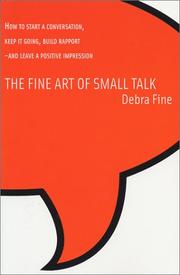
Then tackle the part most people fear with The Fine Art of Small Talk by Debra Fine. It is practical and specific: how to walk up to a stranger, keep a chat alive, and exit gracefully. Small talk is the on-ramp to every deeper conversation, so it is worth drilling.
Next, flip from talking to listening. You're Not Listening by Kate Murphy makes the case that we barely hear each other, and Just Listen by Mark Goulston gives you concrete techniques to make people feel understood. Listening is the highest-leverage conversational skill there is, and these two rewire how you do it.
Now upgrade your questions. A More Beautiful Question by Warren Berger and The Coaching Habit by Michael Bungay Stanier teach you to ask fewer, better, more open questions — the difference between an interview and a real exchange. Supercommunicators by Charles Duhigg pulls the research together into a model of how the best communicators match the kind of conversation they are in.
Finally, prepare for the hard ones. Difficult Conversations by Douglas Stone, from the Harvard Negotiation Project, is the definitive guide to talks about conflict, feelings, and identity. For a graceful capstone, The Art of Conversation by Catherine Blyth is a witty tour of the craft as a whole.
How to actually practice this
Reading about conversation cannot replace having them — this is a skill you build in the wild. Pick one idea per week and use it deliberately: ask one open question instead of offering advice, or reflect back what someone said before you respond. Debrief with yourself afterward. Low-stakes reps (the barista, a coworker, a stranger in line) are how the techniques become automatic. Do not wait to feel confident; confidence follows practice, not the other way around.
Talk to more people, on purpose. Follow the full reading path, visit the conversation subject hub, or explore more social-skills paths.
FAQ
- How do I get better at small talk if I hate it?
- Treat it as a skill with a technique, not a personality test. The Fine Art of Small Talk gives you scripts for starting, sustaining, and exiting chats, and low-stakes daily practice makes it feel natural.
- What is the most important conversation skill?
- Listening. Most people wait to talk instead of trying to understand. Books like You're Not Listening and Just Listen give you concrete ways to make the other person feel genuinely heard.
Get the books
- 1How to Win Friends and Influence PeopleAmazon ↗Dale Carnegie
- 2The fine art of small talkAmazon ↗Debra Fine
- 3Just listenAmazon ↗Mark Goulston
- 4You're Not ListeningAmazon ↗Kate Murphy
- 5A More Beautiful QuestionAmazon ↗Warren Berger
- 6The coaching habitAmazon ↗Michael Bungay Stanier
As an Amazon Associate we earn from qualifying purchases. Some book links are affiliate links; you pay the same price and we may earn a small commission.
Follow the full reading path


The art of conversation: learn to talk to anyone
Beginner10books61 hrs5 stages
@wellsherpa♥ 0
Ready to learn something deeply?
Build a reading path — free