Most people who want to get into whiskey start by buying an expensive bottle, sipping it, and privately wondering what they are supposed to be noticing. The problem is not their palate. Tasting is a learnable skill with a vocabulary, and until you have the vocabulary, every dram is just warm and strong.
Order matters here the way it does in any sensory education: technique first, then production knowledge that explains what you are tasting, then the regional map, then depth in the styles that hook you.
Stage 1: learn to taste
Start with Tasting whiskey by Lew Bryson, the friendliest complete introduction in print: how to nose and taste, what glassware and water actually do, and how bourbon, Scotch, Irish, and rye differ and why. Then read Whisky: the Manual by Dave Broom, which is quietly radical: Broom scores whiskies against different serves, including highballs and mixers, and demolishes the snobbery that says there is one correct way to drink it. Between these two books you will save more money than they cost, because you will stop buying by price and start buying by style.
Stage 2: travel the map
The world atlas of whisky by Dave Broom is the definitive illustrated reference, distillery by distillery, from Speyside to Kentucky to Japan. Do not read it cover to cover; keep it beside whatever you are pouring and read the entry. This is the stage where tasting notes stop being poetry and start being geography.
Stage 3: go deep on the great traditions
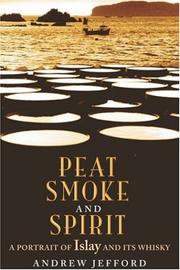
Now pick your obsessions. For American whiskey, Bourbon by Dane Huckelbridge tells the raucous history of America's native spirit, from frontier stills to global brand. For Scotland, Scotch Whisky: A Liquid History by Charles MacLean is the authoritative historical account from the field's most respected scholar, and Peat Smoke and Spirit by Andrew Jefford is a beautiful, slow book about Islay, its distilleries, and why smoke means home there. Finish with Michael Jackson's complete guide to single malt scotch, the classic tasting compendium from the writer who essentially invented modern whisky criticism; editions age, but his palate and prose remain the standard.
How to actually study this
Taste comparatively and cheaply: three half-ounce pours side by side teach more than any single glass, so split bottles with friends or find a bar with a deep back shelf. Keep a simple log of what you taste and one honest note per dram; your first fifty notes will be bad and that is the method working. Add water in drops and notice what opens up. And treat this as appreciation, not consumption: quantities in tasting are small, spitting is legitimate, and if alcohol is a risk for you, this is a hobby to skip without regret; talk to your doctor if you are unsure.
The staged path with study plans is at the full reading path. Neighboring tasting pursuits live on the subject hub, or browse all paths.
Ready to learn something deeply?
Build a reading path — free