Most people who "don't like tea" have simply never had it brewed well. Scalded green tea, oversteeped black tea, dusty bags of who-knows-what — every disappointing cup is a parameter problem, because tea is one plant transformed by processing and then made or ruined by four variables: leaf, water, temperature, time. The good news is that this is completely learnable, and the reading order matters: brewing craft first, then the map of tea types, then the history that makes every cup more interesting.
Tea books: brew better, from first leaf to ceremony
July 11, 2026 · 2 min read
Stage 1: learn to brew and taste
Start with The Harney & Sons Guide to Tea by Michael Harney, a master blender's tasting tour through dozens of teas — what each should look, smell, and taste like, and how to brew it to get there. It works like a wine course in book form. Follow with Tea Sommelier by François-Xavier Delmas, a visual, lesson-a-page handbook on technique: water temperature by type, steeping times, gongfu versus western brewing, and pairing. Between these two you will fix ninety percent of what goes wrong in your cup.
Stage 2: map the territory
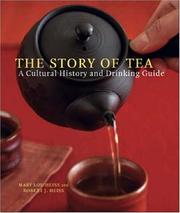
Now the wide view. Tea by Kevin Gascoyne — written with his fellow tea importers — surveys the world's growing regions and the six great classes (green, yellow, white, oolong, black, dark) with terroir detail worthy of a wine atlas. Then The Story of Tea by Mary Lou Heiss goes deep on cultivation and processing: what actually happens between plucking and packet, which is the knowledge that lets you read a tea label the way a baker reads a flour bag.
Stage 3: the history in the cup
Tea moved empires. For All the Tea in China by Sarah Rose tells the flatly astonishing story of Robert Fortune, the Victorian botanist-spy who smuggled tea plants and secrets out of China for the British — industrial espionage that reshaped the world economy. The True History of Tea by Victor H. Mair supplies the scholarly long view, from ancient China through the global trade, correcting the myths that cling to the leaf. Finish with The Book of Tea by Okakura Kakuzō, the 1906 meditation on tea as a philosophy of simplicity — the little classic that explains why a beverage became a ceremony.
How to actually study this
Study tea with a kettle, not a highlighter. Buy small quantities of one good example per class and taste alongside the relevant chapter. Change one variable at a time — same leaf, three steep times — and keep a simple log; your palate improves embarrassingly fast with notes. A thermometer or variable-temperature kettle is the single best gear investment; everything else is optional.
The staged plan with study notes is the full reading path. Adjacent pleasures — coffee, meditative practice — live on the subject hub, or browse Discover.
FAQ
- What is the best book to learn about tea?
- The Harney & Sons Guide to Tea by Michael Harney — it teaches tasting and brewing together, which is exactly where beginners get the fastest improvement.
- Why does my tea taste bitter?
- Almost always water too hot or steeped too long. Green teas generally want well below boiling and short steeps; a thermometer and a timer fix most bitterness overnight.
Get the books
- 1The story of teaAmazon ↗Mary Lou Heiss
- 2TeaAmazon ↗Kevin Gascoyne
- 3The Harney & Sons guide to teaAmazon ↗Michael Harney
- 4Tea SommelierAmazon ↗François-Xavier Delmas
- 5For All the Tea in ChinaAmazon ↗Sarah Rose
- 6The true history of teaAmazon ↗Victor H. Mair
As an Amazon Associate we earn from qualifying purchases. Some book links are affiliate links; you pay the same price and we may earn a small commission.
Follow the full reading path


Brew better tea
Beginner7books44 hrs3 stages
Ready to learn something deeply?
Build a reading path — free