Jazz has an intimidation problem. A century of music, a canon of thousands of records, and a fan culture fluent in argument — no wonder curious listeners put on one famous album, feel like they are missing something, and quietly retreat. Here is the secret: they are missing something, and it is not talent or taste. It is context. Jazz is a music of references — players quoting, answering, and rebelling against each other across decades — and books supply the context that turns noise into conversation.
The order matters because context compounds: history first, then the people, then single albums under a microscope, then how the musicians themselves think. And one rule throughout — never read without listening. Every chapter names recordings; play them.
Stage one: get the map
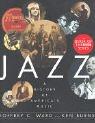
Start with The history of jazz by Ted Gioia, the standard single-volume history — clear, opinionated in the right amounts, and structured so each era sets up the next. Read it slowly with a streaming service open. Then add Jazz by Geoffrey C. Ward, the companion volume to the Ken Burns series: richer in photographs and human storytelling, it makes the same century feel like a saga. For a third lens, Why Jazz Happened by Marc Myers explains the music's turns through outside forces — union bans, the LP format, suburbanization — a bracing reminder that art history is also economic history.
Stage two: meet the giants
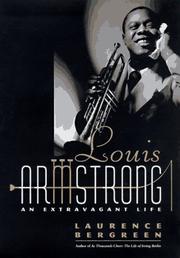
Jazz history is unusually biographical, so read lives. Louis Armstrong by Laurence Bergreen gives you the founding genius — the man who more or less invented the soloist's role. Duke by Terry Teachout covers Ellington, the music's greatest composer, with a critic's ear and honesty about the man's contradictions. And Miles Davis by Ian Carr follows the restless figure who reinvented the music four or five times. Three lives, and you have the spine of the century.
Stage three: two albums under the microscope
Now zoom all the way in. Kind of Blue by Ashley Kahn reconstructs the making of the most beloved jazz album ever recorded, session by session — after it, you hear the record differently, permanently. His A Love Supreme does the same for Coltrane's devotional masterpiece. This stage teaches the core skill of jazz listening: hearing one recording as a set of decisions.
Stage four: how the musicians think
Thinking in jazz by Paul Berliner is the deep one — a scholarly study, built from years of interviews, of how improvisers actually learn, practice, and converse in real time. It is long and worth it: improvisation stops being magic and becomes visible craft. Alongside it, Stomping the blues by Albert Murray argues that jazz is dance-rooted, blues-based, and celebratory — a classic corrective to overly cerebral framings. And keep The Penguin guide to jazz recordings by Richard Cook within reach as your reference for what to spin next; it is the record-collector's companion for the rest of your listening life.
How to actually study this
Build a playlist per book and log one sentence about each record you hear — what you noticed, nothing fancy. Listen to the same album before and after reading about it; the difference is your progress, made audible. And see the music live when you can; jazz is conversation, and the room is part of it.
The staged path with study plans is at the full reading path. Related music paths live at the subject hub, or browse all paths.
Ready to learn something deeply?
Build a reading path — free