People fall in love with Korean food at a restaurant table — the sizzle of bulgogi, the parade of banchan, the stew still bubbling as it lands — and then stall at home because recipes keep demanding ingredients they don't own. Here's the secret the reading order exploits: Korean cooking runs on a compact pantry (gochujang, doenjang, gochugaru, soy, sesame, garlic) and a fridge culture of ferments and side dishes. Build the pantry and the kimchi habit first, and the rest of the cuisine assembles itself around them.
Korean Cooking Books, in Order: From Kimchi to Full Table
July 11, 2026 · 3 min read
Why order matters here
Kimchi and banchan aren't side quests — they're the infrastructure. A cook who ferments first always has half of dinner ready and understands the flavor logic (salt, funk, heat, sesame) that every other dish riffs on. So this path starts with fermentation, then the home canon, then the party food and chef-level refinement.
Stage 1: The fermentation foundation
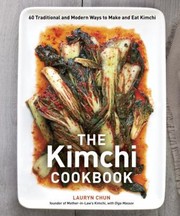
Start with The Kimchi Cookbook by Lauryn Chun, founder of Mother-in-Law's Kimchi. It teaches the master process — salting, seasoning paste, fermentation timing — then runs seasonal variations from classic napa cabbage to white kimchi and quick cucumber styles, plus dishes to cook with kimchi at every stage of sourness. Your first jar bubbling on the counter is this path's true starting line.
Stage 2: The home-cooking canon
Maangchi's Real Korean Cooking by Maangchi is the essential core — the beloved YouTube teacher's definitive book of Korean home food: kimchi jjigae, doenjang stews, bibimbap, japchae, seafood pancakes, and a full banchan repertoire, all with exacting, trustworthy instructions and pantry guidance. Cook fifteen dishes from it and you have a genuine Korean home kitchen. This is the book to live in for months.
Stage 3: Fire and the crowd-pleasers
Korean BBQ by Bill Kim brings the grill: marinades and sauces built on a master-formula system you can freestyle from, equally at home on a backyard kettle or a grill pan. Then Koreatown by Deuki Hong and Matt Rodbard — a loud, joyful tour of Korean-American cooking from strip-mall restaurants to home tables: the fried chicken, the budae jjigae, the dishes where Korean tradition collides with American appetite. Together they cover the food you'll most want to serve to friends.
Stage 4: Refinement
Finish with My Korea by Hooni Kim, the first Korean chef to earn a Michelin star, cooking from a conviction that true Korean flavor lives in jang — the fermented pastes — and in careful technique. His versions of the classics add restaurant discipline to your home instincts: better stocks, better balance, and an argument about what makes Korean food taste Korean. It's the book that turns competence into style.
How to actually study this
Cook in loops, not straight lines. Make one jar of kimchi immediately, then cook from Maangchi twice a week while it ferments — the same dishes repeatedly beat many dishes once. Keep a running banchan rotation of three side dishes; refill as they empty. Taste your gochujang and doenjang straight so you learn what they contribute. And when a dish disappoints, diagnose against the flavor logic — salt, funk, heat, sweetness, sesame — before blaming the recipe.
The staged sequence with study plans is the full reading path. Neighboring kitchen paths live at the subject hub, or browse all paths.
FAQ
- What is the best Korean cookbook for beginners?
- Maangchi's Real Korean Cooking is the definitive home-cooking canon, but starting with The Kimchi Cookbook first builds the fermentation foundation the whole cuisine rests on.
- What pantry ingredients do I need for Korean cooking?
- A compact set: gochujang, doenjang, gochugaru, soy sauce, toasted sesame oil, garlic, and rice. With those staples most Korean home dishes are within reach.
- Is making kimchi at home difficult?
- No — it's salting, seasoning, and waiting. A first batch takes an afternoon of work plus a few days of fermentation, and homemade kimchi also becomes an ingredient for stews and fried rice.
Get the books
- 1The Kimchi CookbookAmazon ↗Lauryn Chun
- 2Maangchi's real Korean cookingAmazon ↗Maangchi
- 3Korean BBQAmazon ↗Bill Kim
- 4KoreatownAmazon ↗Deuki Hong
- 5My KoreaAmazon ↗Hooni Kim
As an Amazon Associate we earn from qualifying purchases. Some book links are affiliate links; you pay the same price and we may earn a small commission.
Follow the full reading path


Cook Korean food at home
Beginner5books28 hrs3 stages
Ready to learn something deeply?
Build a reading path — free