Trauma has become the internet's explanation for everything, which is exactly why reading about it carefully matters. The field mixes solid epidemiology, serious clinical work, and popular theories that outrun their evidence — often within the same bestseller. The goal of this path is not to hand you one framework; it is to teach you to weigh the frameworks, because trauma science is a live debate, not a settled canon.
Trauma Books: Understand Trauma and Healing, in Order
July 11, 2026 · 2 min read
Why order matters here
Start with the therapy books and every model sounds equally true. Start with the foundational research and clinical history, and you gain a reference point for judging everything after. This path moves from evidence, to the major maps of the field, to specific — and more contested — healing models.
The path, stage by stage
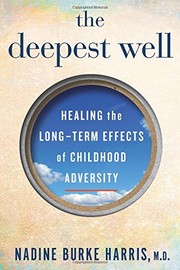
Begin with The Deepest Well by Nadine Burke Harris, a pediatrician's account of the ACE research linking childhood adversity to lifelong health. It is the most solid empirical ground in the field. Then read Trauma and Recovery by Judith Herman — the classic that defined the modern understanding of trauma and named its stages of recovery; decades later it remains the field's spine.
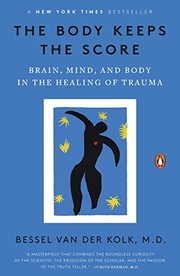
Next, the big contemporary maps. The Body Keeps the Score by Bessel van der Kolk is the famous synthesis of how trauma shows up in the body; it is genuinely important and also, in places, ahead of its evidence — read it as an influential argument, not scripture. What Happened to You? by Bruce Perry reframes the core question away from blame and toward developmental timing, in an accessible conversational format.
Then the specific healing models — each one school of thought in an ongoing debate. Waking the Tiger by Peter Levine presents somatic experiencing; Getting Past Your Past by Francine Shapiro explains EMDR from its founder; No Bad Parts by Richard Schwartz introduces Internal Family Systems. Evidence quality varies across these approaches, and that is part of what you are learning to see. It Didn't Start with You by Mark Wolynn argues trauma echoes across generations — the inherited-trauma thesis is among the most contested claims in the field, so hold it loosely.
How to actually study this
Read slowly and titrate — this material can be activating, and stepping away is part of studying it. Keep two running lists: claims backed by strong evidence, and claims that are promising but unproven. Most importantly, books are education, not treatment. If trauma is affecting your life, work with a licensed therapist or talk to your doctor; use this path to become a better-informed partner in that care, not a substitute for it.
The staged plan is at the full reading path. Adjacent routes into therapy skills and the mind live in the trauma and healing hub, or browse all paths.
FAQ
- Is The Body Keeps the Score scientifically accurate?
- It is a landmark synthesis, but some claims outpace the current evidence and researchers actively debate parts of it. Read it alongside Herman and Burke Harris for balance.
- Can I heal trauma by reading books?
- Books build understanding and reduce shame, but treatment research supports working with a trained therapist. Use reading to inform that work, not replace it.
Get the books
- 1The Deepest Well: Healing the Long-Term Effects of Childhood AdversityAmazon ↗Nadine Burke Harris M.D.
- 2It didn't start with youAmazon ↗Mark Wolynn
- 3The Body Keeps the ScoreAmazon ↗Bessel van der Kolk
- 4Waking the tigerAmazon ↗Peter A. Levine
- 5Trauma and RecoveryAmazon ↗Judith Lewis Herman
- 6Myth of NormalAmazon ↗Gabor Maté
As an Amazon Associate we earn from qualifying purchases. Some book links are affiliate links; you pay the same price and we may earn a small commission.
Follow the full reading path

Understand trauma & how healing works
Beginner9books72 hrs4 stages
@wellsherpa♥ 0
Ready to learn something deeply?
Build a reading path — free