If you were diagnosed with ADHD as an adult — or suspect you should be — you have probably noticed that the available information splits into two unhelpful piles: dense clinical literature on one side, and internet folklore on the other. What actually helps is a sequence: first understand what ADHD is and is not, then get the evidence-based picture on treatment, then build the daily systems that make life workable. This path runs in exactly that order.
One thing before the books: ADHD is a medical diagnosis. Books can help you recognize patterns and prepare good questions, but assessment and treatment decisions belong in a conversation with a clinician. Talk to your doctor.
Stage one: recognition and relief
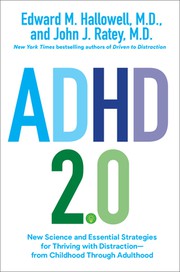
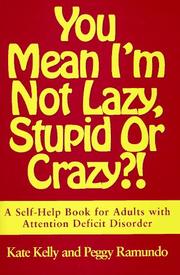
Start with Driven to distraction by Edward M. Hallowell, the book that introduced generations of adults to the idea that their lifelong struggles had a name and a neurobiology. Its case studies are where many readers first see themselves. Then read its modern update, ADHD 2. 0 by the same author, which folds in two decades of newer research on the ADHD brain and current thinking on treatment. For the emotional layer — the shame and self-blame that accumulate before diagnosis — You mean I'm not lazy, stupid or crazy?! by Kate Kelly remains the classic companion, written by authors who have ADHD themselves.
Stage two: the evidence-based core
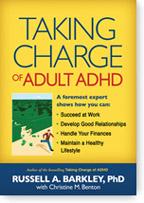
Taking charge of adult ADHD by Russell Barkley is the spine of this path. Barkley is one of the field's most rigorous researchers, and this book is the closest thing to a consensus, evidence-first manual: what the science supports, how assessment works, and which strategies have data behind them. Read it slowly. Then Smart but Stuck by Thomas E. Brown examines the piece most productivity advice misses — how ADHD entangles with emotion, motivation, and the frustrating gap between intelligence and output.
Stage three: systems and specific lives
Order from Chaos by Jaclyn Paul translates all of this into household-level practice: routines, planning, and organization written by someone with ADHD, for the way ADHD brains actually operate. Depending on your life, two more books earn their place. A Radical Guide for Women with ADHD by Sari Solden addresses how ADHD presents in women and the years of masking that often precede diagnosis. And The ADHD Effect on Marriage by Melissa Orlov is the standard work on what ADHD does to couples — and how partners rebuild the dynamic once they understand it.
A note on framing: you will also encounter books arguing ADHD is a hidden superpower. The path treats that as one side of a live debate — real strengths exist, but romanticizing the condition can delay real help.
How to actually study this
Read with a highlighter and a symptom journal; patterns you document are far more useful in a clinical appointment than a general sense of struggle. Implement one system at a time from stage three — ADHD punishes overhauls and rewards small, stable wins. And revisit Barkley after a few months of treatment or new systems; it reads differently once you have data on yourself.
The staged sequence with study plans is at the full reading path. Related paths on focus and habits live at the subject hub.
Ready to learn something deeply?
Build a reading path — free