Books cannot fix grief, and the good ones do not try. What they can do is keep you company, give shape to something formless, and push back against a culture that treats mourning as a problem to be solved on a schedule. But order matters here in an unusual way: the wrong book at the wrong moment can wound. A framework book too early feels clinical; a raw memoir too early can be unbearable.
This path starts with permission, adds structure gently, and saves the hardest company for when you can hold it.
Stage 1: permission
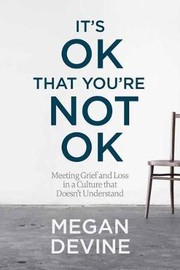
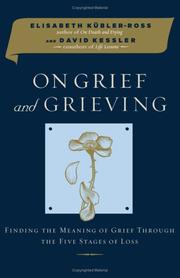
Start with It's Ok That You're Not Ok by Megan Devine. It is the necessary corrective to almost everything our culture says about loss: grief is not a disorder to fix but an experience to carry, and most of what comforters say makes it worse. Many grieving readers describe it as the first book that did not lie to them. Then read On grief and grieving by Elisabeth Kübler-Ross, the origin of the famous five stages, with a caveat the book itself supports: the stages were never meant as a linear schedule, and treating them that way causes harm. Read it for vocabulary, not as a map you must follow.
Stage 2: company in the dark
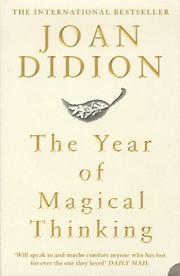
Memoirs do what manuals cannot: they prove someone else has been here. A Grief Observed by C. S. Lewis is a slim, unflinching journal of a man arguing with his own faith after his wife's death. The Year of Magical Thinking by Joan Didion is the modern classic on the strange, magical logic of the grieving mind. The Light of the World by Elizabeth Alexander brings a poet's language to sudden loss, and The Bright Hour by Nina Riggs writes from the other side of the door, facing her own death with startling warmth. Read these slowly, one at a time, and stop when you need to.
Stage 3: carrying it forward
Bearing the unbearable by Joanne Cacciatore is written by a bereavement researcher who lost a child, and it is the strongest book on this path for the heaviest losses; it refuses every platitude. Then Option B by Sheryl Sandberg offers something the earlier books deliberately do not: practical scaffolding for rebuilding a life, returning to work, and parenting through loss. Finish with When Breath Becomes Air by Paul Kalanithi, a young neurosurgeon's meditation on meaning when time runs out, which somehow leaves readers steadier than it found them.
How to actually read this
Ignore every rule you have about finishing books. Read in fragments, repeat chapters, abandon and return. Keep one book by the bed and let the path take months. And a book is a companion, not a clinician: if grief is keeping you from functioning, or you are having thoughts of harming yourself, please talk to a doctor or a grief therapist. In the US you can call or text 988 anytime.
The full sequence with gentle pacing notes is at the full reading path. Related reading lives on the subject hub.
Ready to learn something deeply?
Build a reading path — free